Lab-grown human brain cells survive seven years and appear to ‘record’ passage of time, scientists say
PARIS, Aug 20 — Peppercorn-sized clumps of human brain cells grown in a lab for a record seven years aged similarl...
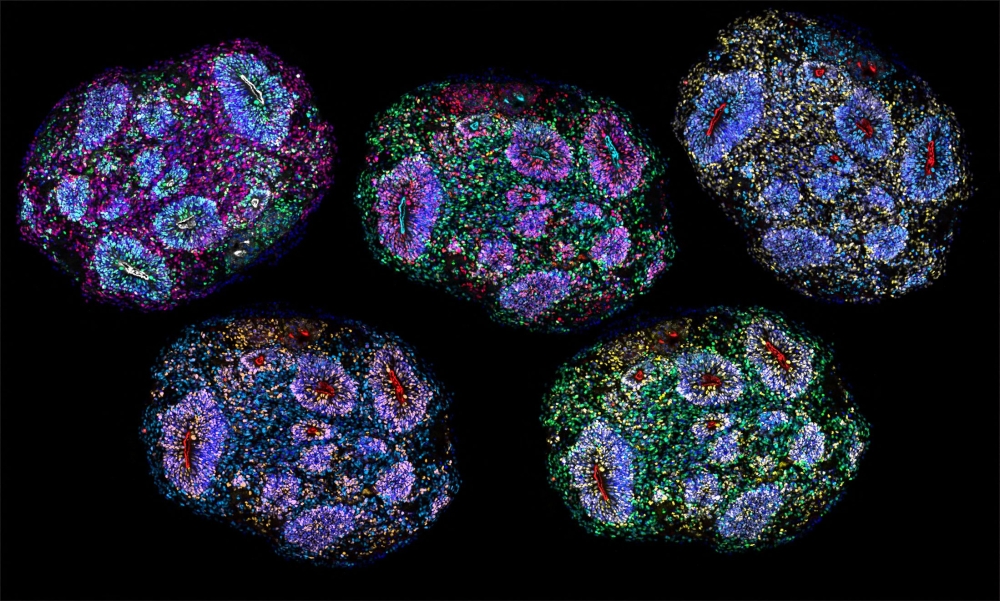
A team of US researchers has grown lab-grown human brain cells for an unprecedented seven years, with the cells seemingly "recording" the passage of time, according to a study published in Nature. These tiny clumps of cells, known as organoids, were grown from stem cells and are the oldest ever created, surpassing the previous record of about two years.
Senior author Paola Arlotta, a Harvard University professor, explained that the brain organoids continued to change and mature over the seven-year period, despite never having been inside an embryo or a body.
The researchers used three genetic "clocks" to analyze the aging organoids and found that they changed over time in ways similar to normal brain cells. The scientists also conducted an experiment where they mixed old cells with young ones, creating a "chimera" that demonstrated the older cells "jumped ahead" in development, making neurons that typically take four months to form. This phenomenon, described by Arlotta as "warping time," could potentially accelerate the development of specific brain cells in the future.
While the brain organoids do not have the complexity or sensory input of our own brains, the study suggests they could provide valuable insights into the development of various disorders, such as autism and schizophrenia. The cells continue to "record" their developmental steps, engraving a memory of the past on a cellular level.
The researchers believe that organoids are not capable of consciousness or higher-order brain functions, but they could still serve as valuable biological models or "avatars" for human brain cells. The future of these lab-grown brain cells remains uncertain, with Arlotta speculating that they could potentially outlive humans, though this is yet to be determined.
Written by urgent.news from Malay Mail's reporting — not their text. Machine-written — may contain errors; check the original before relying on it.