Konsumgüter: „Firewall“ gegen Ideenklau? So haben Handelsmarken bei Innovationen Marken den Rang abgelaufen
Eigenmarken der Händler haben Marken bei Neuheiten in Supermärkten und Drogerien überholt. Das bringt Markenhersteller in Bedrängnis. Sie werfen Händlern teils unlautere Methoden vor.
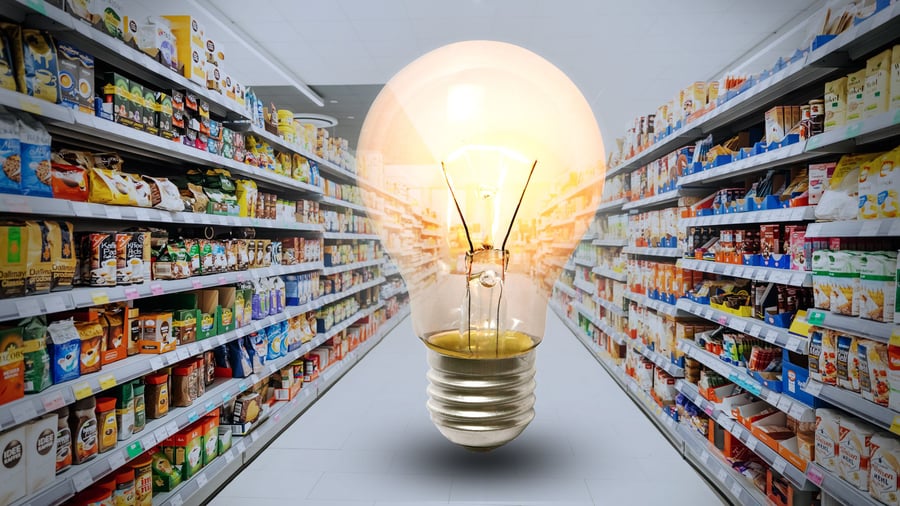
Düsseldorf – A recent study by Porsche Consulting for the trade magazine Handelsblatt revealed that branded products are perceived as more innovative than private label goods among consumers, despite data showing the opposite. When asked, consumers believe that branded products are the more innovative ones, a reputation that allows them to command higher prices.
On average, branded products cost about half again as much as private label products from German retailers such as Rewe Fine Welt, Balea, Ja!, or Gut&Günstig. However, the truth is that private label brands have been innovating long before branded ones. According to data from market research firm Yougov, 55% of all innovations in supermarkets in 2025 came from private label brands, up from 52% in 2019.
These findings, according to consumer expert Petra Süptitz of Yougov, show that branded companies are very reluctant to innovate. Timo Kirst, author of the Porsche-Consulting study, cautions that branded manufacturers should not rely on the assumption that they can continue to earn profits on their brand legacy. Some branded manufacturers are accusing retailers of using unfair methods to undermine their reputation in the realm of innovation.
Written by urgent.news from Handelsblatt's reporting — not their text. Machine-written — may contain errors; check the original before relying on it.