It Takes Three to Model Methane Right
By combining conventional process-based and atmospheric inversion modeling with machine learning, scientists home in on a more realistic methane model.
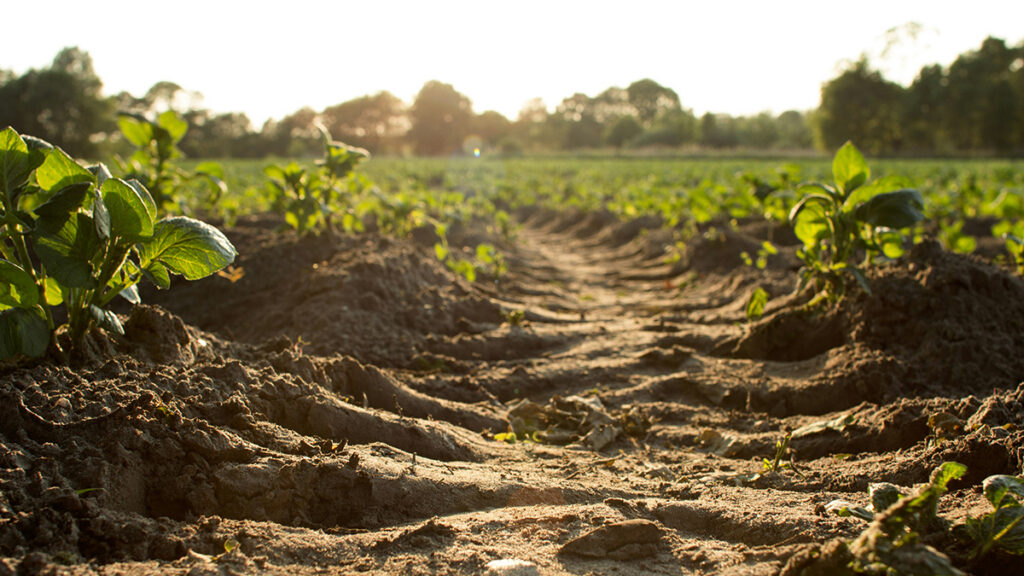
A new study published in the Journal of Geophysical Research: Biogeosciences has revealed that soil methanotrophs, or methane-munching microbes in soil, might play a larger role in removing methane from the atmosphere than previously thought. Soil is a significant carbon sink and scientists are still learning about the diversity of its microbial communities, which are found from Arctic soils to desert sands.
The study, led by researchers Oh et al., utilized three different modeling approaches to estimate the amount of methane these microbes can absorb. These models included process-based modeling, atmospheric inversion modeling, and data-driven machine learning. By comparing the results of these three models, the researchers aimed to obtain a more reliable estimate of the methane sink and its associated uncertainties.
The combined efforts of the three models led to estimates suggesting that soil methanotrophs can absorb between 40-45 gigatons of global methane per year. This figure is notably higher than estimates from older methods, which were as low as 28-35 gigatons. The researchers also found that including previously overlooked places and microbes in their models improved the overall accuracy of their estimates.
When these findings are incorporated into top-down atmospheric inversions, the revised soil methane sink can help improve the models' ability to reproduce observed atmospheric methane and its stable carbon isotope composition. This discovery indicates that the microbial soil methane sink has likely been underestimated in the past and that a more comprehensive three-model approach may enhance global carbon cycle modeling.
Written by urgent.news from Eos's reporting — not their text. Machine-written — may contain errors; check the original before relying on it.