Ireland's 'Kerry Cow' Bones Are Actually Wild Boar and Bear, Shaking Up the Story of Farming's Arrival on the Island
The bones were discovered on the Dingle Peninsula more than 30 years ago, but scientists recently decided to take another look at them, this time using modern techniques
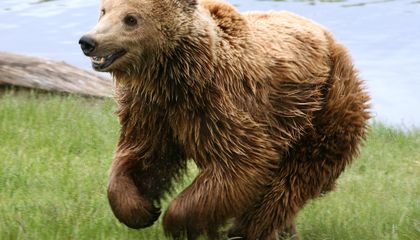
Between 1983 and 1995, archaeologists in Ireland unearthed cattle bones believed to be 6,500 years old. However, a new analysis of these remains reveals they were actually from bear and wild boar, not domestic cattle. This discovery challenges the long-held belief about when farming arrived in Ireland. The "Kerry cow" bones, found in Ferriter's Cove, County Kerry, were radiocarbon dated to 4450-4270 B.C.E.
Archaeologists have used these bones as evidence of Mesolithic hunter-gatherers interacting with early Neolithic farmers before 4000 B.C.E. However, recent tests at the French National Center for Scientific Research lab in Lille determined the bones belonged to bear and wild boar, not cattle. This could alter our understanding of the Mesolithic-Neolithic transition, both in Ireland and Western Europe.
The findings suggest Ireland's Mesolithic hunter-gatherers left a greater trace than previously thought, challenging the notion they left little evidence. The true species of the bear remains to be identified, but it could be a brown or polar bear. These results highlight the potential of using new techniques to uncover more about Ireland's prehistoric past.
Written by urgent.news from Smithsonian's reporting — not their text. Machine-written — may contain errors; check the original before relying on it.