Iran slams Trump's economic pressure plan as more 'failed policies'
TEHERAN: Iran’s Foreign Minister Abbas Araghchi on Thursday dismissed US President Donald Trump’s economic punishment plan for Teheran as a continuation of “failed policies“, which he said would bring Washington “further defeat.”
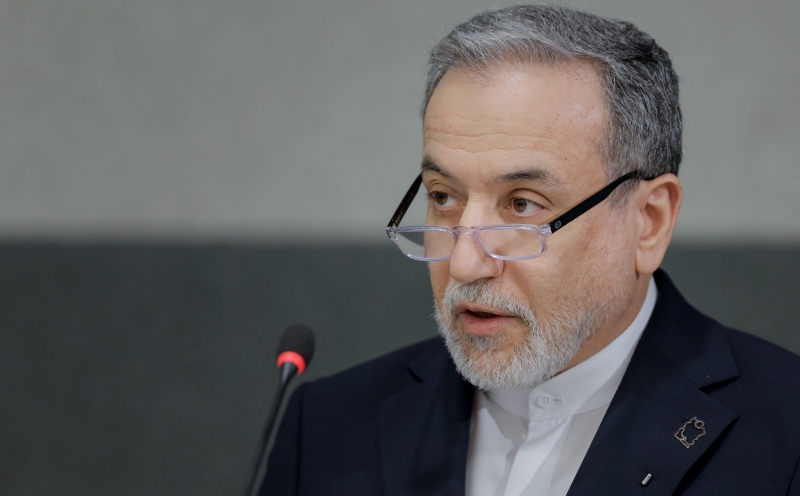
TEHERAN: Iran s Foreign Minister Abbas Araghchi denounced President Donald Trump s economic sanctions on Iran on Thursday as part of a string of ineffective strategies, predicting they would only result in more American setbacks. Araghchi emphasized that the so-called "Economic D-Day" is merely an attempt to divert attention from the United States' own fiscal crisis, characterized by staggering debt and mounting interest expenses.
In an X post, Araghchi stated that pursuing these failed policies would only deepen the rift between Washington and Tehran, eroding American goodwill among Iranians.
Simultaneously, Iran's military is reportedly shifting its focus from defensive retaliation to offensive operations, a move analysts interpret as a reflection of Tehran's belief it possesses leverage to advance its demands and break the current stalemate. Following the US-Israeli strikes that sparked the conflict on February 28, Iran has predominantly framed its retaliatory strikes against the United States, Israel, and Gulf states as retribution for past attacks.
However, Iranian officials are now openly advocating for a more aggressive stance, prioritizing offensive operations while maintaining control over the strategic Strait of Hormuz, a critical conduit of global energy trade and a significant bargaining chip in negotiations with Washington.
Iran's Supreme Leader, Ayatollah Khamenei, reinforced this approach in a recent reshuffle of top military commanders, urging a "strengthening of maximum deterrence" and readiness to launch large-scale offensive operations against adversaries. Last week, a deputy commander of Iran's Revolutionary Guards confirmed that the country is revising its military doctrine to give offensive operations strategic priority.
Analyst Sina Toossi of the Center for International Policy argues that this shift does not equate to Iran's adoption of a doctrine of preventive war. Instead, Toossi contends that Tehran has assessed that if conflict becomes inevitable, Iran should escalate early and forcefully, rather than waiting for the United States or Israel to dictate the terms of the conflict.
Written by urgent.news from New Straits Times's reporting — not their text. Machine-written — may contain errors; check the original before relying on it.
Also reported by 1 other outlet
- Iran slams Trump’s economic pressure plan as more ‘failed policies’ freemalaysiatoday.com