Iran goes on the offensive as diplomacy with US stalls
Six months into its war with the United States, Iran’s military has begun signalling a shift from retaliation to offence, which analysts say could reflect Tehran’s belief it holds leverage to advance its demands and break the stalemate. Since US-Israeli strikes launched the war on February 28, Tehran has largely portrayed its strikes against the US, Israel and Gulf countries as revenge for…
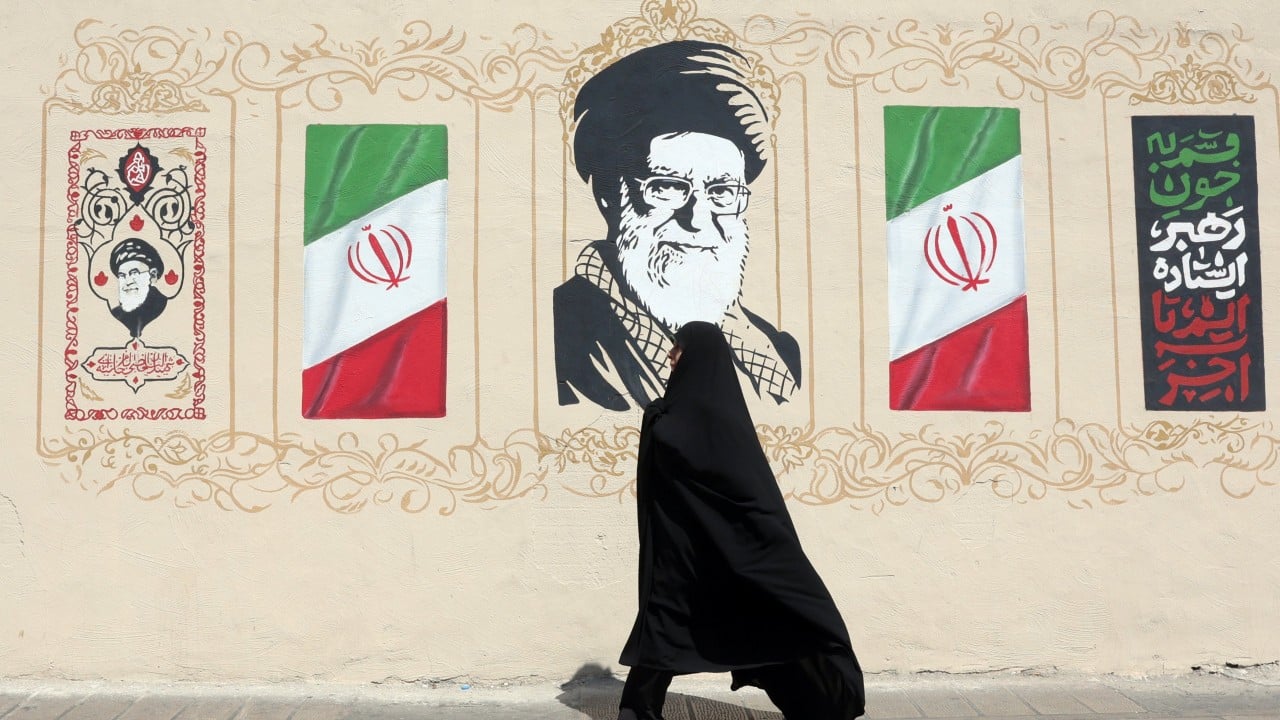
Since diplomatic negotiations with the United States remain stalled, Iran’s military has begun shifting its focus from retaliation to offensive operations. Analysts believe Tehran may believe it holds leverage to advance its demands and break the current stalemate. After the US-Israeli strikes launched the war on February 28, Iran portrayed its retaliatory strikes as retribution for attacks against the Islamic Republic.
Now, Iranian officials openly discuss prioritizing offensive operations while maintaining control over the strategic Strait of Hormuz, a crucial source of leverage against Washington. Supreme Leader Mojtaba Khamenei recently called for strengthening deterrence and conducting large-scale offensive operations against the enemy. A deputy commander of Iran’s Revolutionary Guards said Tehran is revising its military doctrine to give offensive operations strategic priority.
Analyst Sina Toossi of the Centre for International Policy does not believe this signals a shift to preventive war, but rather that Tehran assesses the United States' intentions and wants to escalate forcefully if confrontation becomes unavoidable. Iran's assessment of Washington's refusal to accept its terms may lead Tehran to resort to offensive action to force the US to accept Iranian conditions, potentially triggering a new round of negotiations.
While Iran suffered heavy losses in the initial bombardment campaign, including the death of Ayatollah Ali Khamenei and extensive material damage, a ceasefire was reached in April 8, with sporadic exchanges of fire since then. The war has also spread to include conflicts between Saudi Arabia and Iran-backed Houthis in Yemen, as well as disruptions to shipping in the Red Sea’s Bab al-Mandab Strait.
Tehran now believes American military superiority does not give Washington escalation dominance, and controlling the Strait of Hormuz is a key US priority. The June 17 truce between Tehran and Washington, though criticized by the US, is still cited by Iranian officials as a victory. An attack on a US airbase and command center in Jordan last July is seen as an example of Iran's pre-emptive approach.
While this new strategy could involve cyber, psychological, and economic warfare, it comes with serious risks, including a catastrophic outcome for Iran and the region if reciprocal deterrence escalates.
Written by urgent.news from South China Morning Post's reporting — not their text. Machine-written — may contain errors; check the original before relying on it.
This story
This is one outlet's version. Read the fullest account.
- Iran goes on offensive as diplomacy with US stalls channelnewsasia.com
- Iran goes on offensive as diplomacy with US stalls economictimes.indiatimes.com