India’s Data Centre Boom Has A Security Blind Spot
Data centres have evolved from specialised computing facilities into critical infrastructure powering the modern digital economy. As India rapidly expands…
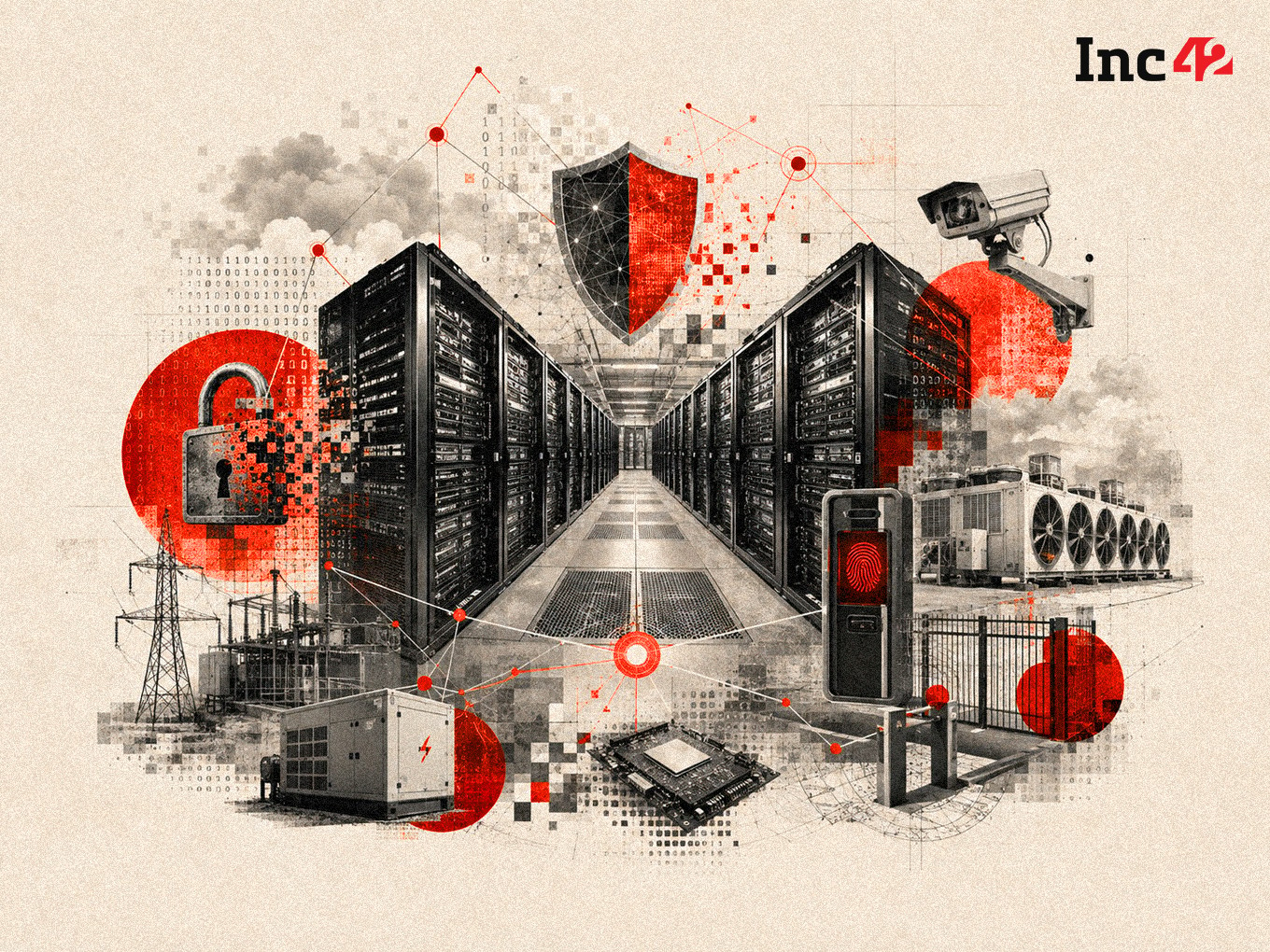
India's data centre boom has brought a critical security blind spot into focus. These facilities, once specialized computing centers, have become essential infrastructure supporting AI, finance, government, and other vital operations. As demand for data centres surges, so do the threats they face. The Kudankulam Nuclear Power Plant incident, where ransomware group World Leaks leaked sensitive files, underscores the growing cybersecurity risks.
While Yotta Data Services acknowledged a partial breach, it maintained that the impact was limited to one server. However, the threat landscape is evolving, with human threats like insider attacks and external manipulation posing the greatest danger. Ransomware, AI-powered identity attacks, advanced persistent threats, and DDoS attacks are also significant concerns.
As data centres become integral to critical sectors, they are increasingly becoming high-value targets for cyberattacks, physical disruptions, and geopolitical threats. The financial consequences of breaches are rising, with the average total organizational cost of a data breach in India reaching ₹25.5 Cr in 2026, up 15.9% from ₹22 Cr in 2025.
India's data centre security market is expanding rapidly, driven by rising threats, regulatory requirements, and cloud adoption. However, enterprises often overlook the accountability chain in their relationships with data processors, leaving them vulnerable to breaches and associated liabilities.
Written by urgent.news from Inc42's reporting — not their text. Machine-written — may contain errors; check the original before relying on it.