India eases rupee trade rules, provides exporters alternative; what it means
Economic think tank Global Trade Research Initiative (GTRI) said the change means eligible rupee payments for exports to countries other than Nepal and Bhutan will now qualify for FTP benefits and can also be counted towards meeting export obligations.
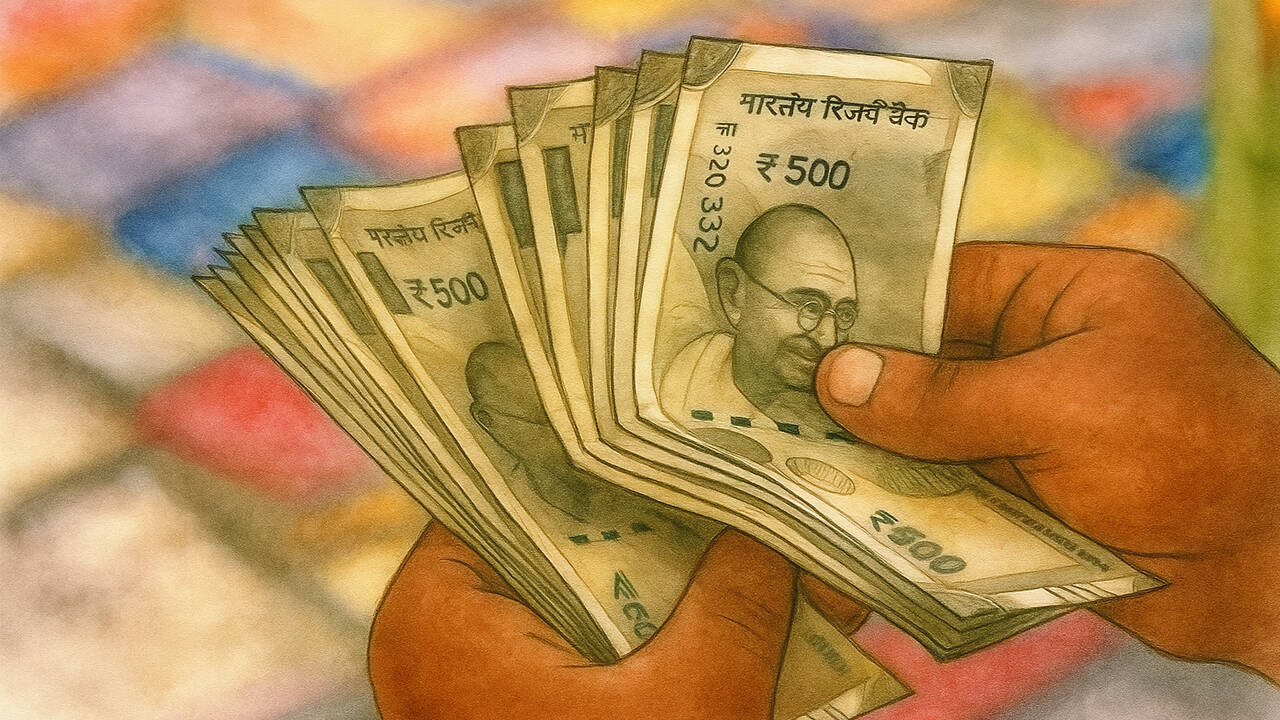
India has relaxed rules on rupee trade transactions, offering exporters a new alternative for invoicing overseas deals and receiving revenue in Indian rupees. The government revised specific sections of the Foreign Trade Policy to grant exporters more leeway in denoting contracts and receiving payments in Indian rupees. These adjustments apply to all export destinations, with varying provisions based on the country of destination.
According to the Directorate General of Foreign Trade, exporters can now choose to denote their contracts and invoices in either Indian rupees or any other foreign currency for countries outside the Asian Clearing Union. Previously, export proceeds were typically required to be received in a freely convertible currency.
Analysts predict these changes could benefit Indian exporters by lowering currency-conversion costs and minimizing exposure to exchange rate fluctuations. The move could also encourage the broader usage of the rupee in international payments, potentially facilitating trade with countries experiencing dollar shortages or limited access to global payment systems.
Written by urgent.news from Times of India's reporting — not their text. Machine-written — may contain errors; check the original before relying on it.