Urgent.News

What's breaking now, across thousands of outlets.

Tech

Indi Energy makes sodium-ion batteries with an anode built from farm waste

The IIT Roorkee spin-off produces its own hard carbon, cathode and electrolyte, and is aiming at the lead-acid batteries that still power much of India.
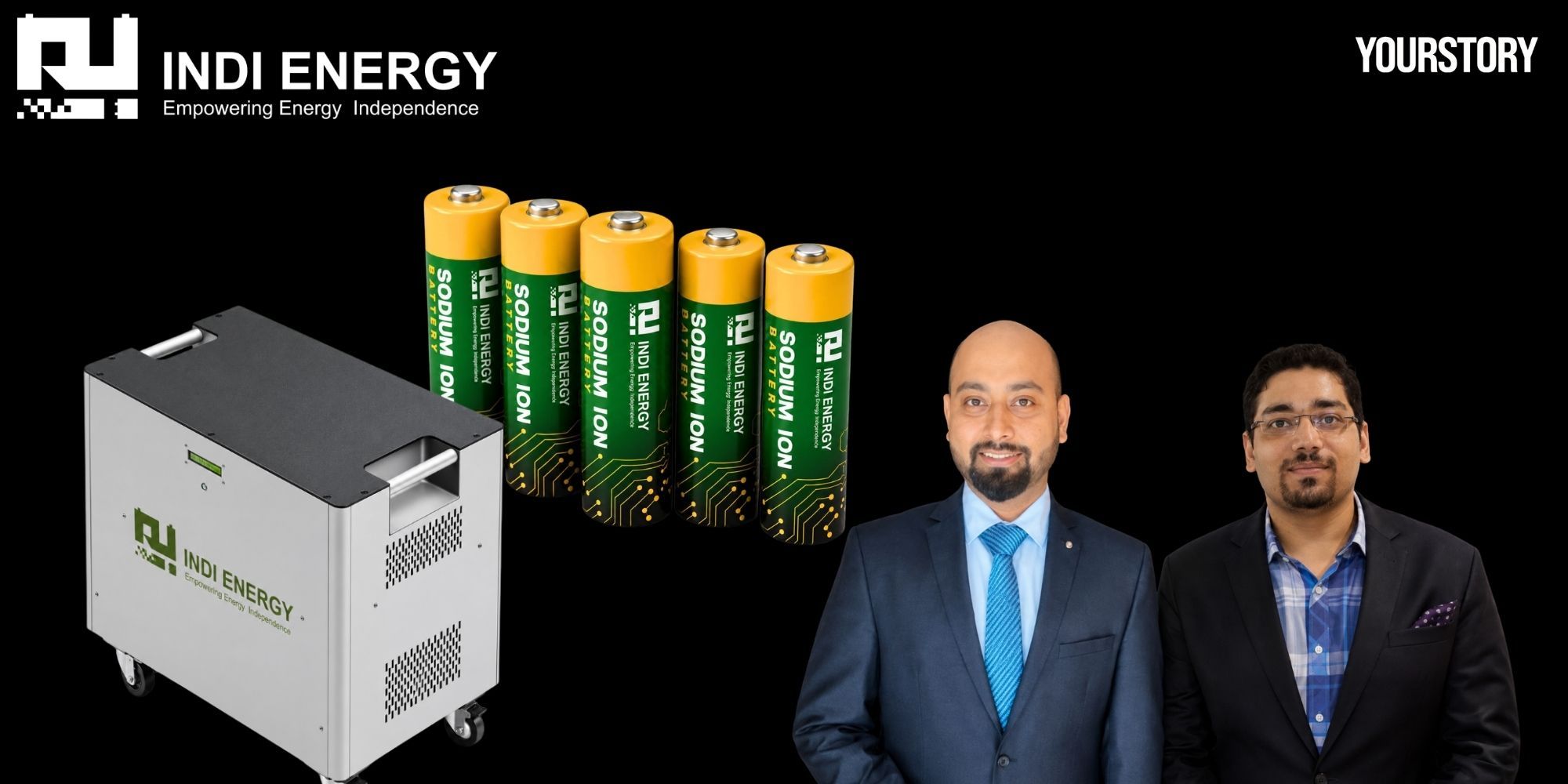
Indi Energy makes sodium-ion batteries with an anode built from farm waste

Indi Energy, a Roorkee-based company founded in 2019, is developing sodium-ion batteries made with an anode constructed from farm waste. The company's founders, including CEO Akash Soni and researchers from IIT Roorkee, aim to produce the entire battery components rather than relying on imported parts. Indi Energy creates its own hard carbon, known as BioBlack, derived from biomass, as well as sodium-ion cathodes and electrolytes, which are then combined to form pouch cells.

The company targets lead-acid batteries for applications such as e-rickshaws, inverters, and solar street lights, rather than electric vehicles, as sodium-ion cells have lower energy density per kilogram compared to lithium batteries. Sodium-ion cells boast high energy efficiency (90-95%) and a cycle life exceeding 2,000 cycles, while also handling fast charging without thermal runaway.

Written by urgent.news from YourStory's reporting — not their text. Machine-written — may contain errors; check the original before relying on it.


Read the original at yourstory.com →

More in Tech

[Insight] Beyond HBM: SK hynix Maps the Next AI Battleground in Optical Interconnects

SK hynix has outlined a roadmap for co-packaged optics, or CPO, that could extend the company’s role in AI infrastructure beyond HBM and into the high-speed optical links connecting processors, memory…

  • SK hynix plans to integrate optical interconnects into AI infrastructure beyond HBM.
  • Research in Nature Electronics outlines a roadmap for high-speed connectivity.
  • Goal is 100 Tb/s bandwidth per node with low power consumption and latency.

COBOL to Python Migration - A UK Enterprise Guide 2026

COBOL powers an estimated hundreds of billions of lines of code still running in global financial systems, government infrastructure, and enterprise backends.

  • COBOL remains dominant in global financial systems and government infrastructure.
  • Python chosen for COBOL modernisation due to readability, extensive libraries, and AI compatibility.
  • Three migration approaches: automated transpilation, parallel rewrite, and incremental migration.

More from Thursday 20 August →