Urgent.News

What's breaking now, across thousands of outlets.

Editions

World

Increased US sanctions on Iran make large-scale war less likely: Bessent

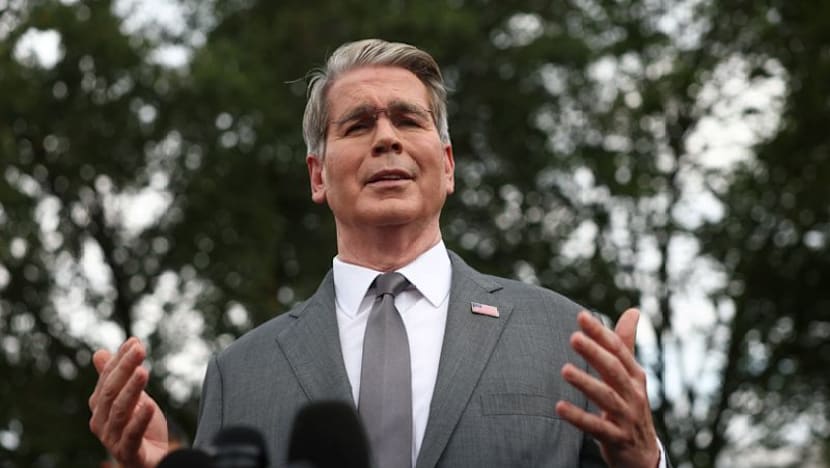
US Treasury Secretary Scott Bessent said the United States will impose “the toughest sanctions in history” on Iran and urged China to cooperate with Washington.
Increased US sanctions on Iran make large-scale war less likely: Bessent

US Treasury Secretary Scott Bessent called on US allies to decide if they will support President Donald Trump's plan to weaken Iran's economy. Trump tweeted via his platform, Truth Social, that nations extending assistance to Iran's regime would face significant economic repercussions. Bessent did not reveal the specifics of the measures Trump's team intends to enforce, but he emphasized a clear message for US allies: "You are either with us or against us."

Bessent stated that allies and the rest of the world must make a choice on how they will react to Iran. He reiterated his intention to "squash the economy" of Iran's new regime. The Treasury secretary also noted that the economic penalties would be part of the "greatest coordinated economic isolation in the history of the world." He warned that if businesses choose to trade with Iran, whether through transferring money or purchasing their oil, they would face full force from the US Treasury and the US government.

Bessent believed that this pressure campaign could reduce the necessity for large-scale military conflict in Iran. He promised that further details of the plan would be announced in a press conference on August 24th. One Iranian businessman told Middle East Lifeline that the potential for sanctions has made global companies cautious about investing in Iran. "If every country that trades with Iran is at risk of sanctions, I have to think very carefully before making any deal because I could end up losing money," he said.

Iran's economy had already been struggling due to decades of international sanctions, leading to dire living conditions for its citizens. Recent protests were triggered by the soaring cost of living and inflation, with everyday Iranians blaming the regime for their hardships. In February 2026, prices for basic necessities increased by an average of 60%, while food prices doubled in the same period.

Earlier this year, Iran faced demonstrations demanding help from the US, which responded by joining Israel in its attack on Iran and implementing a blockade on Iranian ports, further threatening sanctions. In April, the US launched sanctions on foreign banks and firms dealing with Tehran, following failed military operations to overthrow the regime or force its surrender.

In June, Iran and the US signed a Memorandum of Understanding (MoU) where the US agreed not to impose sanctions on Iran under a predefined schedule. However, Trump is now preparing to implement the "most crushing economic operation ever taken against any country." Despite some residents in central Iranian province of Khuzestan believing the country has faced sanctions before and could overcome this new pressure, others doubt that fresh penalties will impact the regime's longevity. They believe Iran will continue to find alternative ways to trade.

Written by urgent.news from BBC World's reporting — not their text. Machine-written — may contain errors; check the original before relying on it.

This story

This is one outlet's version. Read the fullest account.

Read the original at channelnewsasia.com →

More in World

More from Thursday 20 August →