IBM says super-chill boxes that connect through 'cryogenic tunnels' will get quantum computers scaling
Absolute zero inside is much cooler than Intel inside
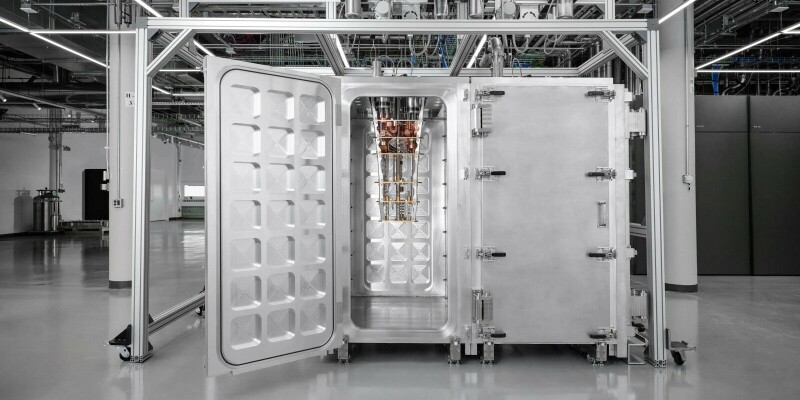
IBM has unveiled designs for compact, modular cooling systems that could enable quantum computers to scale up in size and capacity. Quantum computers depend on qubits, which are atoms or circuits that exist in a state of probability, allowing them to store a value of both zero and one at the same time. Currently, IBM produces qubits using chips that require temperatures close to absolute zero, necessitating large and round cooling units.
However, the tech giant has recently revealed smaller, rectangular, modular cryogenic cabinets that are three times larger than a standard fridge. These cabinets, made of solid aluminum panels and housing, offer ample space for larger single processors and denser system configurations. IBM envisions these coolers as a versatile design that can be reused for future generations of quantum hardware, potentially making such machines more accessible and cost-effective.
Additionally, the ability to connect these coolers is crucial, as IBM has reached a limit in terms of scaling the number of qubits on a single chip. To address this, IBM plans to connect quantum processors, with each working on different aspects of a task. This approach aligns with standard datacenter practices and allows for better utilization of space, neater cabling, and improved performance due to shorter cable paths.
The rectangular coolers also feature openings for quantum cables, which are protected by multiple layers of thermal shielding, creating a protected cryogenic tunnel between systems. This design choice aims to minimize noise, which can disrupt the quantum state and compromise calculations. By implementing this boxy adaptation of racking for quantum computers, IBM hopes to create more powerful quantum processors, paving the way for significant advancements in artificial intelligence and other fields.
Written by urgent.news from The Register Science's reporting — not their text. Machine-written — may contain errors; check the original before relying on it.
This story
This is one outlet's version. Read the fullest account.