How to actually pair wine with Malaysian food
KUALA LUMPUR, Aug 20 — As a country, Malaysia is what you would call a “dry culture”. It has noth...
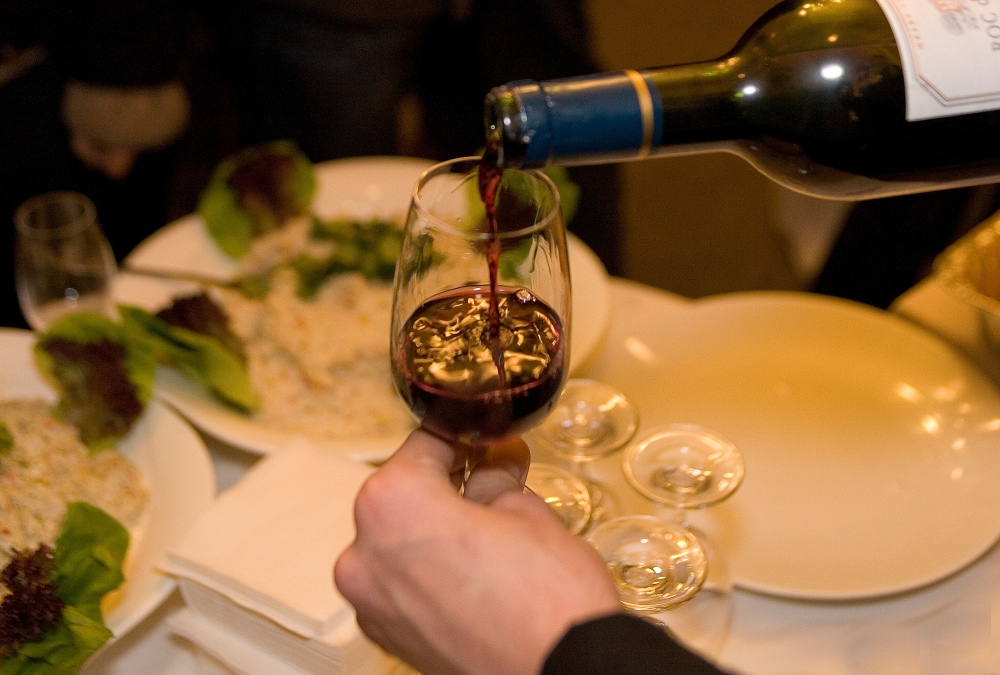
Malaysia is often described as a "dry culture" when it comes to alcohol consumption. Unlike countries where drinking is part of daily meals, Malaysians tend to reserve alcohol for special occasions. However, the country has made significant strides in terms of wine availability and pairing in recent years. While there are guides available online suggesting wine pairings for popular Malaysian dishes like nasi lemak, beef rendang, and laksa, these often focus on practicality rather than complexity.
Non-vintage brut rosé Champagne seems to be a versatile choice suitable for various Malaysian dishes. Its high acidity and fine bubbles complement the richness and fried flavors found in many local dishes. For example, it pairs well with char kuey teow, reducing the greasiness of the noodles and enhancing the caramelized and smoky flavors. It also balances the sweet, spicy, and smoky notes in ayam goreng berempah, nasi lemak, and satay.
While some wine bars and restaurants in Malaysia do offer wine pairings with local food, these establishments are typically BYO. Older pubs have been serving alcohol with meals for years, but Vintry Group of wine bars and restaurants has been pioneering the concept of pairing wine with Malaysian cuisine for over two decades. Their collection features rare vintages and unique varietals, all designed to complement local favorites.
However, wine is still considered a luxury in Malaysia due to taxes, import costs, and regulatory hurdles. To make wine pairing more accessible, Reuben Suresh Arthur, a senior lecturer and certified wine trainer, recommends focusing on "simple, fruit-driven, low-tannin, off-dry" bottles. He advises against seeking prestigious wines, as these are often too expensive and may not pair well with the higher sugar content in Malaysian cuisine.
Written by urgent.news from Malay Mail's reporting — not their text. Machine-written — may contain errors; check the original before relying on it.