'How many will die?': the mysterious ailment killing Kenyan elephants
A mystery affliction has killed at least 19 pachyderms, mostly females or young males, since June in Kenya - with all of the animals exhibiting identical symptoms, including partial paralysis.
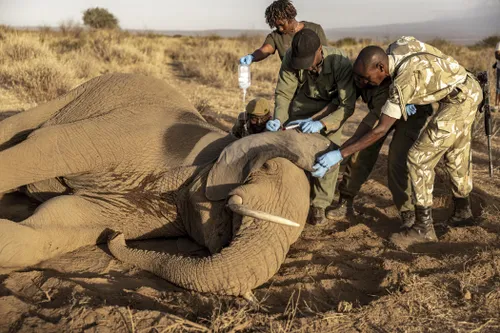
The mysterious ailment is killing elephants in southern Kenya, with at least 19 deaths since June, predominantly affecting females and young males. The affected animals exhibit symptoms such as partial paralysis and struggle to breathe before succumbing. The incident has raised concerns as elephant herds around Mount Kilimanjaro in Tanzania are major tourist attractions.
The Kenya Wildlife Service (KWS) found high levels of cyanide in the carcasses, suggesting possible pesticide poisoning, but experts dismiss the theory due to the lack of carcass scavengers and flies dying. Local Maasai farmers, who coexist with the animals, reject the idea of poisoning, emphasizing that they share the same food sources without facing similar fatalities.
Wildlife experts, including conservationist Paula Kahumbu, argue that there is insufficient evidence to support the pesticide theory and emphasize that more male elephants have not died, contradicting the pesticide poisoning hypothesis. The death toll's estimation and the condition's origin remain a sensitive issue, with wildlife experts urging a comprehensive investigation.
Written by urgent.news from IOL's reporting — not their text. Machine-written — may contain errors; check the original before relying on it.