How I Built a $5-a-Month AI Baby Monitor on Raspberry Pi
Inside a production AI baby monitor running nine services on a Raspberry Pi 5 for under $5 a month, with vision, audio, and LLM Q&A.
Chapter 1: Problem Identification
In the modern era, commercial infant monitoring systems provide video feeds and basic alerts. However, they lack advanced contextual analysis, maintain no comprehensive health records, and cannot answer natural language questions. The goal of this project was to develop a comprehensive system that captures continuous video and audio from a camera, analyzes the content, persists the data in a searchable database, and provides a conversational interface grounded in real-time observation data—all on a low-cost hardware platform.
Chapter 2: System Design and Architecture
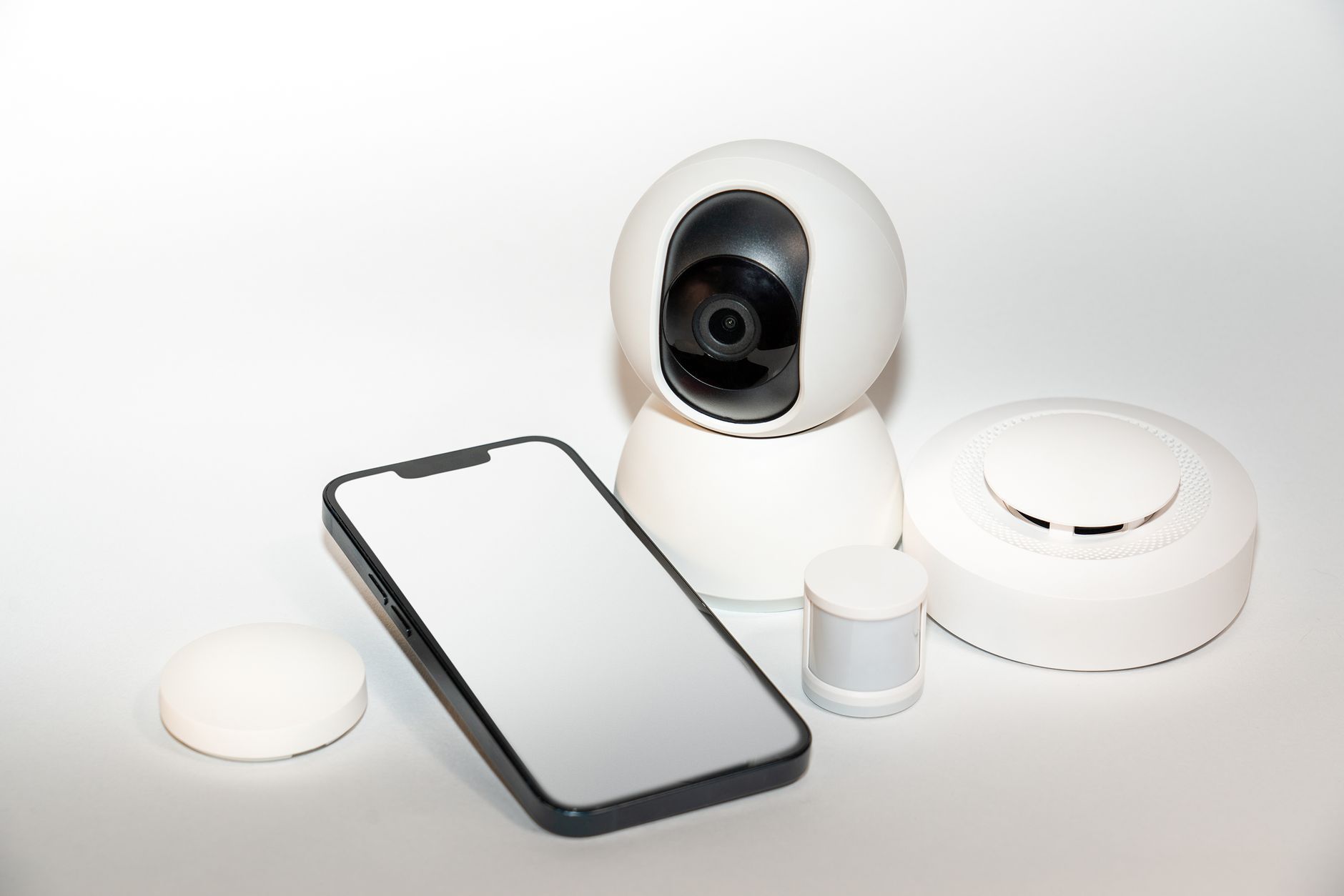
The system architecture employs a total of nine independent services orchestrated by systemd on a Raspberry Pi 5 device with 4GB RAM. The services include video acquisition, audio processing, vision analysis, conversational interface, dashboards, reports, and cloud integration. The hardware components cost under $100, while the monthly operating cost is limited to less than $5 due to low resource usage and efficient use of the Claude Haiku Vision API.
Chapter 3: Video Acquisition with Ring WebRTC
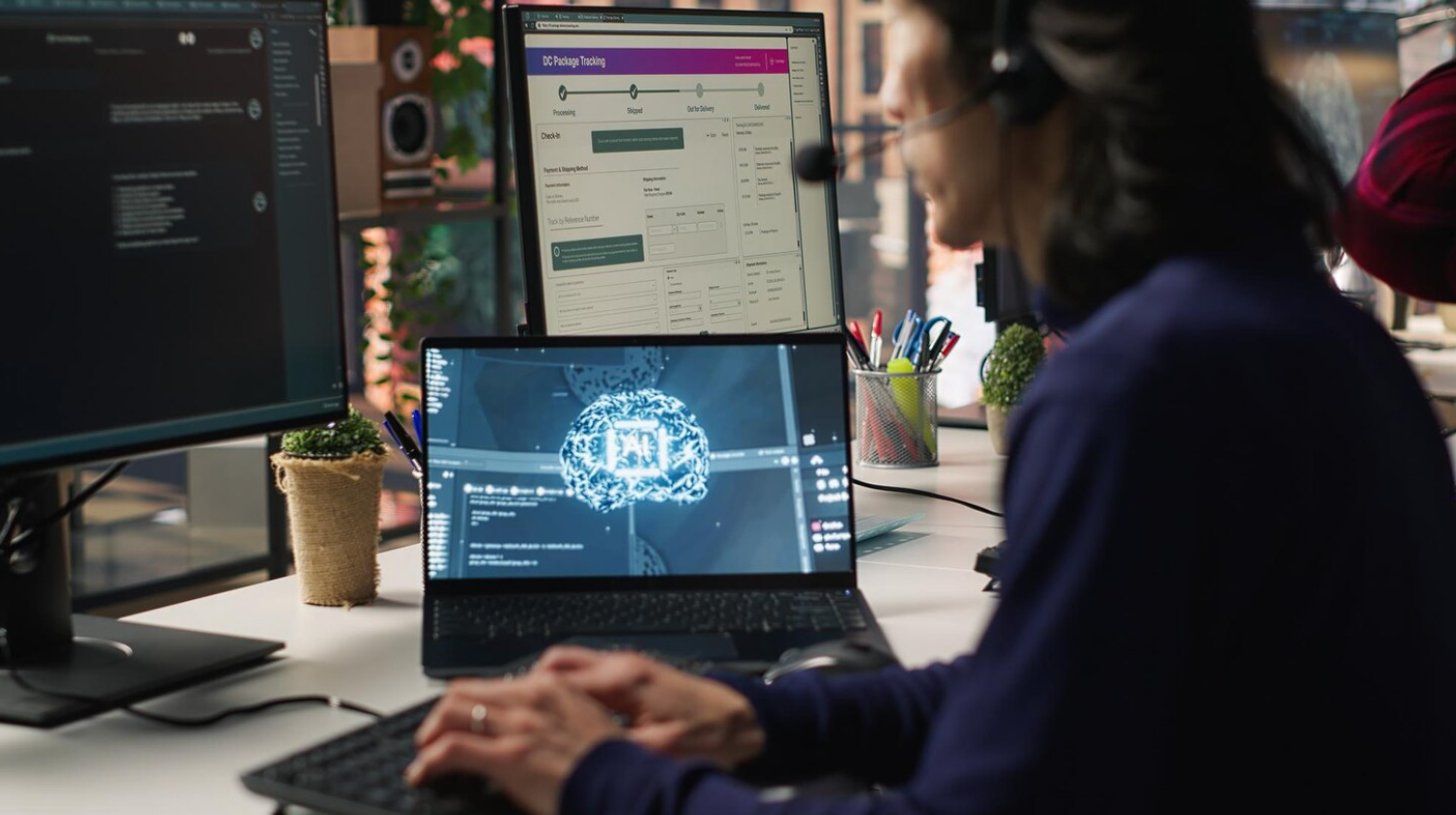
The video acquisition component utilizes the Ring Indoor Camera, which streams video via WebRTC. The vision service maintains a persistent WebRTC connection, reads JPEG frames at a 30-second interval, and processes them through the Vision API pipeline. Frames that are too dark or empty are skipped, reducing API calls by about 40% and saving costs.
Chapter 4: Computer Vision with Claude Haiku Vision API
Each valid frame is processed using the Claude Haiku Vision API, which returns a JSON object containing details about the baby's state, face visibility, position, safety concerns, activity changes, and a concise observational narrative. This model provides high-quality observations at a cost of approximately $1.30 per month, considering the 40% reduction in API calls due to dark frames.
Chapter 5: Health Record Persistence and Natural Language Q&A
All observations and health events are stored in SQLite with a rolling limit of 30 seconds. This data is used to provide a natural language Q&A interface built on top of the Claude Haiku Vision API. A dashboard provides real-time visualizations, while reports can be generated for analysis. The system can be accessed via a Flask web interface with Twilio integration for WhatsApp communication.
Chapter 6: Deployment and Results
The complete system has been deployed continuously in a home environment with an infant, demonstrating reliable 24/7 monitoring. The system generates structured health records and provides natural language answers to questions about the baby's activities. The monthly operating cost remains under $5, making it an affordable and effective solution for infant monitoring.
Written by urgent.news from HackerNoon's reporting — not their text. Machine-written — may contain errors; check the original before relying on it.