How does SEBI’s new closing auction system work, and how did two firms manipulate it?
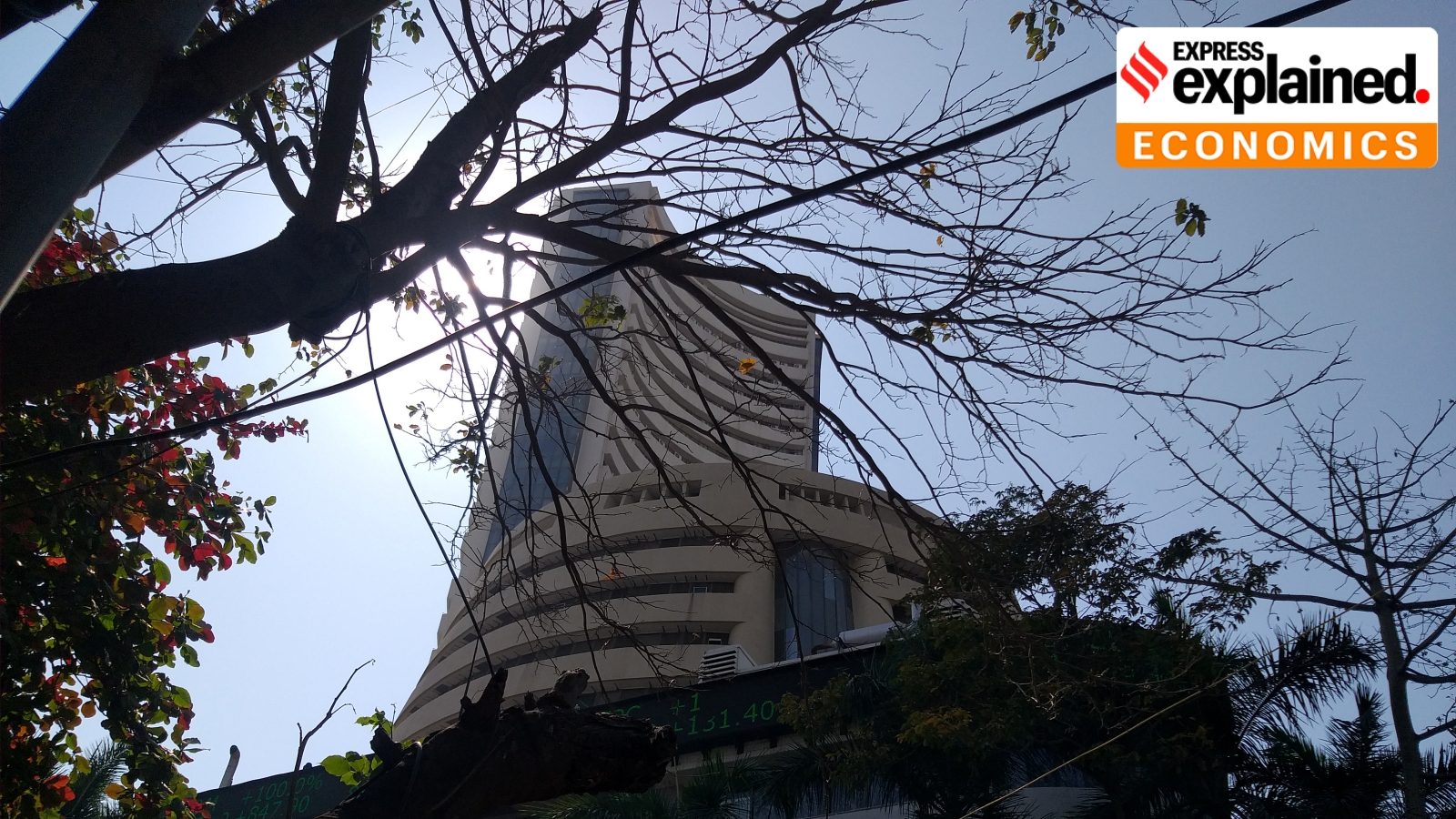
The Securities and Exchange Board of India (SEBI) recently introduced a new Closing Auction Session (CAS) system for certain stocks. During this session, which lasts from 3:15 PM to 3:30 PM, a reference price is calculated, and the market trading halts at 3:15 PM. The CAS is designed to prevent last-minute manipulation of stock prices.
However, SEBI's surveillance system recently detected suspicious activity during a CAS session on August 13, leading to an investigation of two firms: Mansi Share and Stock Broking and JPMorgan-owned Copthall Mauritius Investment. The regulator accused the entities of manipulating the mechanism, leading to a combined fine of Rs 3.7 crore and a ban on market participation for both firms.
The incident occurred during Sensex's weekly expiry day, when traders often engage in large-scale buying and selling to hedge or square off their positions. SEBI's surveillance system flagged a sharp spike in the indicative price of the Sensex index during the CAS session, lasting 42 seconds in total. This spike coincided with large orders placed by Copthall, which accounted for 85-99% of the buy order value during the three periods with the price spike.
These orders were placed just above the reference price, benefiting Copthall's bets on the index ending higher. Meanwhile, Mansi placed aggressive sell orders, which were immediately cancelled, causing an artificial suppression of the Sensex index by at least 232.96 points. SEBI's investigation found that these actions were motivated by an ulterior motive to influence the market price, which is prohibited under the regulator's guidelines.
Written by urgent.news from The Indian Express's reporting — not their text. Machine-written — may contain errors; check the original before relying on it.