High Court admission of secret recording could open doors for victims
Family lawyers say a High Court decision to admit a secret recording of a man admitting he had raped his wife while she slept, could open the door to secret recordings by victims of serious crime being more readily considered by courts.
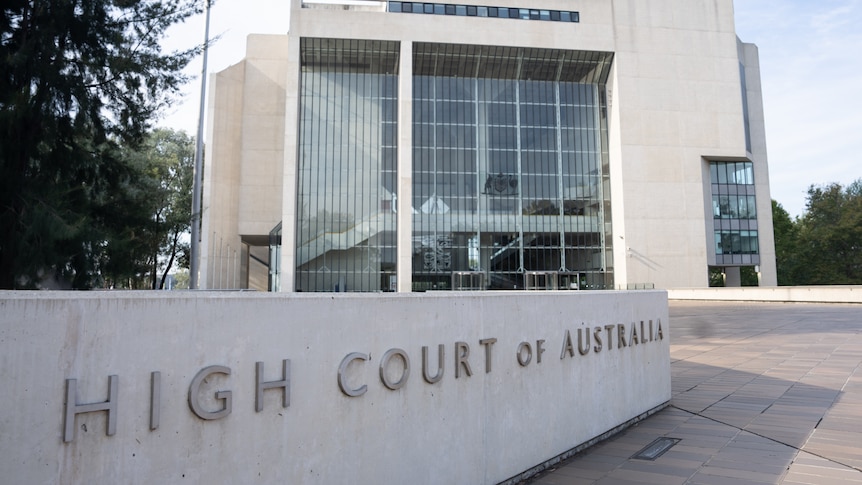
A South Australian woman's covertly captured recording of her husband admitting to raping her could have broader implications for domestic and family law cases across Australia, according to family lawyers. The High Court's decision to consider the recording, made in 2017, has lowered the bar for secret recordings being admitted as evidence, but the judge presiding over the case ultimately decides on admissibility.
South Australia's law requires secret recordings to show a lawful interest, which in this case was the woman's right to bodily autonomy and the right not to be raped. The court deemed the recording "readily understandable" and "reasonably necessary" for the woman to make, as it served as a powerful reminder of the danger she faced.
Family lawyers say the decision opens the door for victims of serious crimes to present secret recordings more readily in court, although they caution that not every covert recording will be admissible.
Written by urgent.news from ABC News AU's reporting — not their text. Machine-written — may contain errors; check the original before relying on it.