Haze: Staying indoors cuts exposure but won’t make your home pollution-free, experts say
KUALA LUMPUR, Aug 21 — As the haze returns to Malaysia, staying indoors is often the simplest way to reduce exposu...
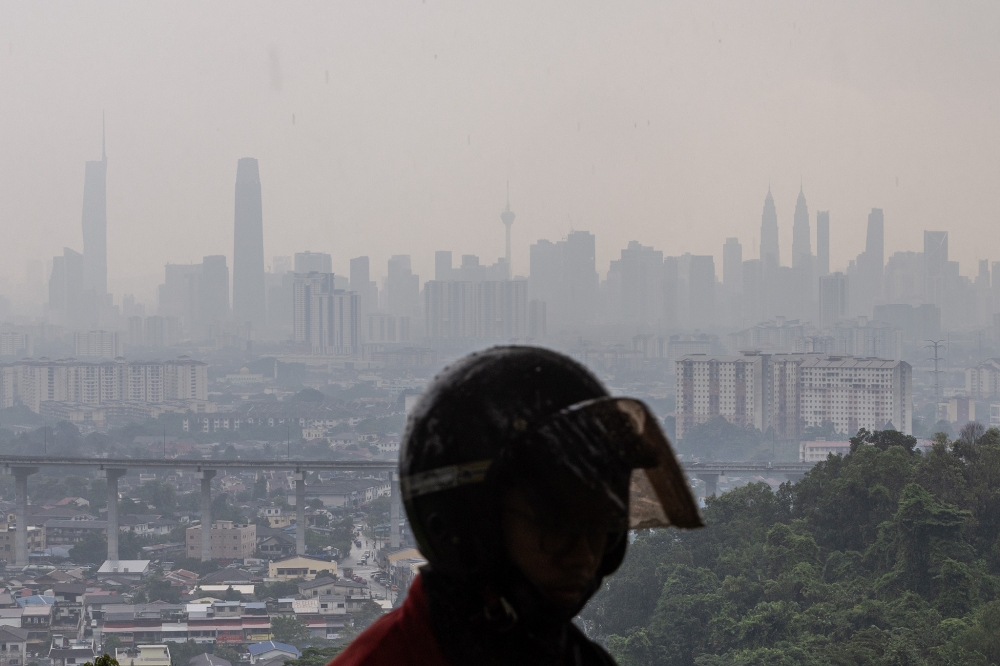
As Malaysia grapples with the return of haze, staying indoors has become a popular strategy for reducing exposure to polluted air. However, experts warn that closing doors and windows does not guarantee a pollution-free home. While conventional air conditioning units with filters can help maintain indoor air quality by recirculating indoor air, they may not be sufficient in drawing in outdoor particulate matter, particularly finer PM2.5 particles, which can remain airborne longer before settling.
Tan Zhi Shen, chief executive of Applied Air Quality Specialists Sdn Bhd, explained that indoor air conditioners filter haze particles if present indoors. However, sealing a home completely during haze can create an indoor air-quality issue, as inadequate ventilation allows carbon dioxide to accumulate over time. He recommends daily ventilation for at least an hour to reduce carbon dioxide concentration.
Dr Kow Ken Siong, a consultant physician at Sunway Medical Centre, noted that fine particulate matter like PM2.5 can still infiltrate homes through gaps or ventilation, despite staying indoors. These particles can penetrate deep into the respiratory system and cause irritation, inflammation, and potentially severe health issues. Vulnerable groups, such as children, older adults, and those with pre-existing conditions, are at greater risk of experiencing more significant effects from prolonged or repeated haze exposure.
Experts emphasize that while staying indoors reduces exposure, it does not eliminate it entirely. HEPA air purifiers may provide additional protection, especially during significant haze. Dr Kow suggested that the body uses mucus, cilia, and immune cells to naturally defend against PM2.5, but repeated exposure can still have lasting impacts on respiratory health and potentially other body systems.
Written by urgent.news from Malay Mail's reporting — not their text. Machine-written — may contain errors; check the original before relying on it.