Gold pares gains, remaining close to recent highs, as Treasury buybacks weigh on US Dollar
Gold (XAU/USD) bulls take a breather on Thursday following the sharp rally on the previous day, triggered by a steep pullback in long-term US Treasury yields. At the time of writing, XAU/USD trades around $4,488, easing from an intraday high of $4,527, its highest level since June 2.

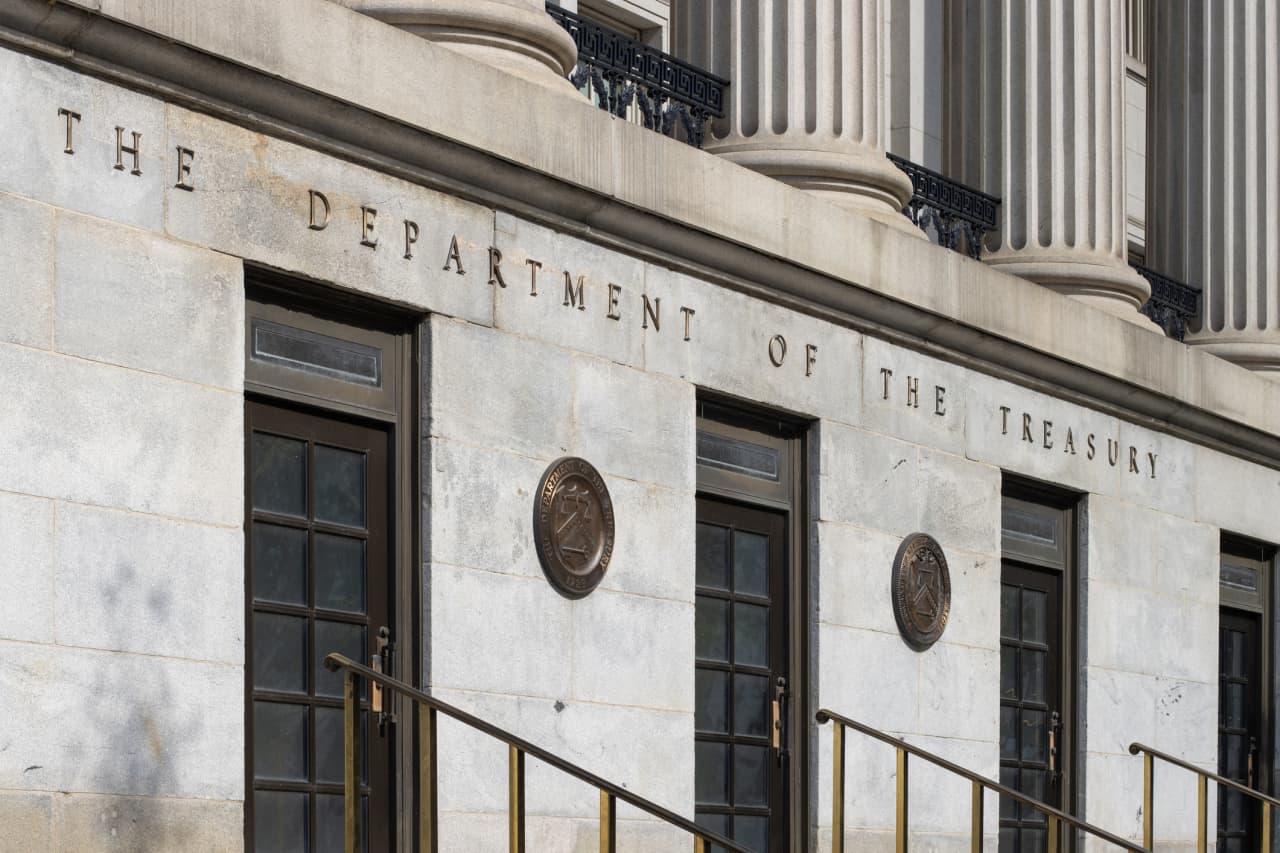
Gold experienced a temporary decline in its rally on Thursday, as it hovered near recent highs, due to Treasury buybacks impacting the US Dollar. The precious metal settled around $4,488, a slight decrease from its peak of $4,527 the previous day. This decline followed a significant increase on Wednesday, when the US Treasury Department announced it would boost liquidity-support buybacks for longer-dated government securities.
As a result, the 30-year Treasury yield fell by 9 basis points to 5.18%, while the 10-year yield dropped by 5 basis points to 4.63%. Consequently, the US Dollar Index (DXY) fell below 99.00, hitting a three-month low, and continued to lose ground on Thursday. The combination of a weaker US Dollar and falling yields increased the allure of Gold, lifting it to its highest level in over two months.
However, analysts caution that while the buybacks may provide short-term relief for the bond market, they do not address major fiscal deficits, heavy debt issuance, or persistent inflation risks. Higher energy prices, coupled with ongoing tensions between the US and Iran, also contribute to inflation concerns. Gold, historically used as a store of value and medium of exchange, is currently viewed as a safe-haven asset, especially in turbulent times.
Central banks remain the largest holders of Gold, often diversifying their reserves to safeguard their currencies. In 2022, central banks added 1,136 tonnes of Gold, the highest yearly purchase since records began. Gold's price is influenced by various factors, including geopolitical instability, interest rates, and currency movements.
As a yield-less asset, Gold often rises with lower interest rates, while higher rates typically weigh down its price. Most of Gold's movements, however, depend on the behavior of the US Dollar, as it is priced in dollars (XAU/USD).
Written by urgent.news from FXStreet's reporting — not their text. Machine-written — may contain errors; check the original before relying on it.