From Noida to Kanpur: The dangerous criminalisation of India’s working class
Nearly 40,000 to 50,000 casual workers perish annually due to occupational hazards in India's unorganised sector, a figure that likely underestimates the true toll, as many fatalities go unrecorded. This sector - employing nearly 80% of India's workforce - is the breeding ground for this incessant cycle of death and injury. The exploitation of workers is likened to the destruction of natural habitats for development projects, with the latter receiving scant attention or concern.
The stark realities of workers' conditions are often concealed, as if they exist in another realm. Domestic workers in the Delhi-NCR and other metropolitan areas face inhumane treatment and torture, yet their struggles remain largely invisible. Such stories, though undoubtedly our stories, are relegated to the sidelines, unnoticed by the broader populace.
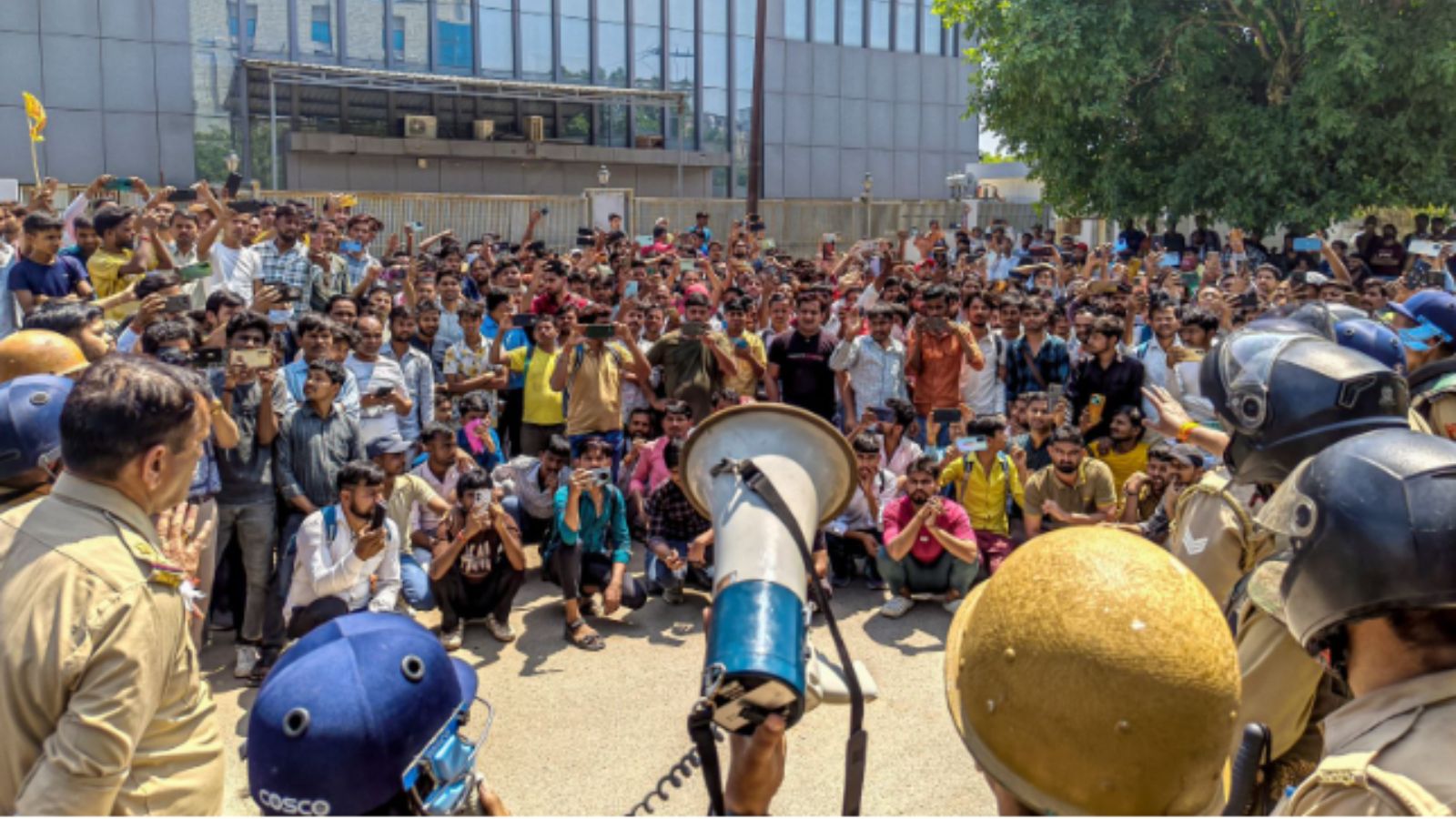
On April 13, thousands of workers in Noida and Ghaziabad protested for higher wages. The Noida police, unprepared for the demonstration, quickly transformed the protest into a conspiracy, falsely accusing the protesters of being sponsored by "Pakistan-based handlers" and radical leftists. This manufactured narrative not only marginalized the agitation but also criminalized it, leading to the arrest of about 200 individuals, including journalist Satyam Verma and DU student Akriti Chaudhary, under the draconian NSA.
They were not charged for their actions but for their political beliefs, a clear violation of their rights.
The arrest of journalists and students for their ideological leanings rather than their actions sent a chilling message to the public. Despite the arrestees being released, they continue to grapple with the repercussions of their wrongful detainment. In a society where working journalists are classified as labor, such incidents become a rarity, seldom making headlines unless they cause minor inconveniences like traffic disruptions.
The liberalization of India's economy has paved the way for a decline in the trade union movement, once a bastion of workers' rights. Leaders like George Fernandes, who championed workers' causes, are a relic of a bygone era. With the rise of contract-based employment, unions have lost their stronghold, leaving workers with no means to advocate for their rights or challenge injustices.
This trend was part of a larger shift seen across various sectors, facilitated by both private and public sectors opting for cost-saving measures.
The backlash against left-wing ideologies has also played a significant role in the erosion of workers' rights. As leftist parties lost their political relevance, the term 'leftist' became a derogatory label. The Noida protest, a classic example of left-wing activism, is a victim of this conspiracy of silence. In my own experience as a journalist in Kanpur in 1985, I witnessed a unique camaraderie among trade union leaders, transcending ideological differences.
The CITU, AITUC, INTUC, BMS and others united for the common cause of labor, a spirit that seems to have faded away.
The criminalization of written material holds particularly egregious implications. How can a book on Marxism, Gaza, or the Palestinian struggle be deemed a criminal offense? Marxist ideology, deeply rooted in India's political landscape, is as legitimate as any other political belief. Political parties, regardless of their ideology, are afforded the freedom to exist and function within the country's constitutional framework.
However, the current trend of treating ideological material as seditious is alarming. In 1997, the BJP acknowledged the complexity of ideological differences, as evidenced by their resolution mourning Chandrashekhar, a leader aligned with Naxal ideology. Such flexibility could be a valuable lesson in today's climate, where any ideological divergence is swiftly equated with sedition.
Written by urgent.news from The Indian Express's reporting — not their text. Machine-written — may contain errors; check the original before relying on it.