For young job seekers, sustainability cannot only be a target for 2050
The corporate world’s eternal challenge is how to get the right balance between short, medium and long-term goals. This is now especially true in the sustainability domain. For much of the past two decades, the sustainability debate has focused on carbon, which is critical for our future, but the next decade needs to begin to focus on jobs, critical for our present. That does not mean abandoning…
In today's corporate world, striking a balance between short, medium, and long-term goals has become increasingly crucial, particularly in the realm of sustainability. While the past two decades have primarily focused on carbon reduction, the urgency of addressing job creation among young people should not be overlooked. Even as climate ambition remains vital, the reality is that a green transition that fails to provide opportunities for individuals may eventually lose the support of the very people it aims to benefit.
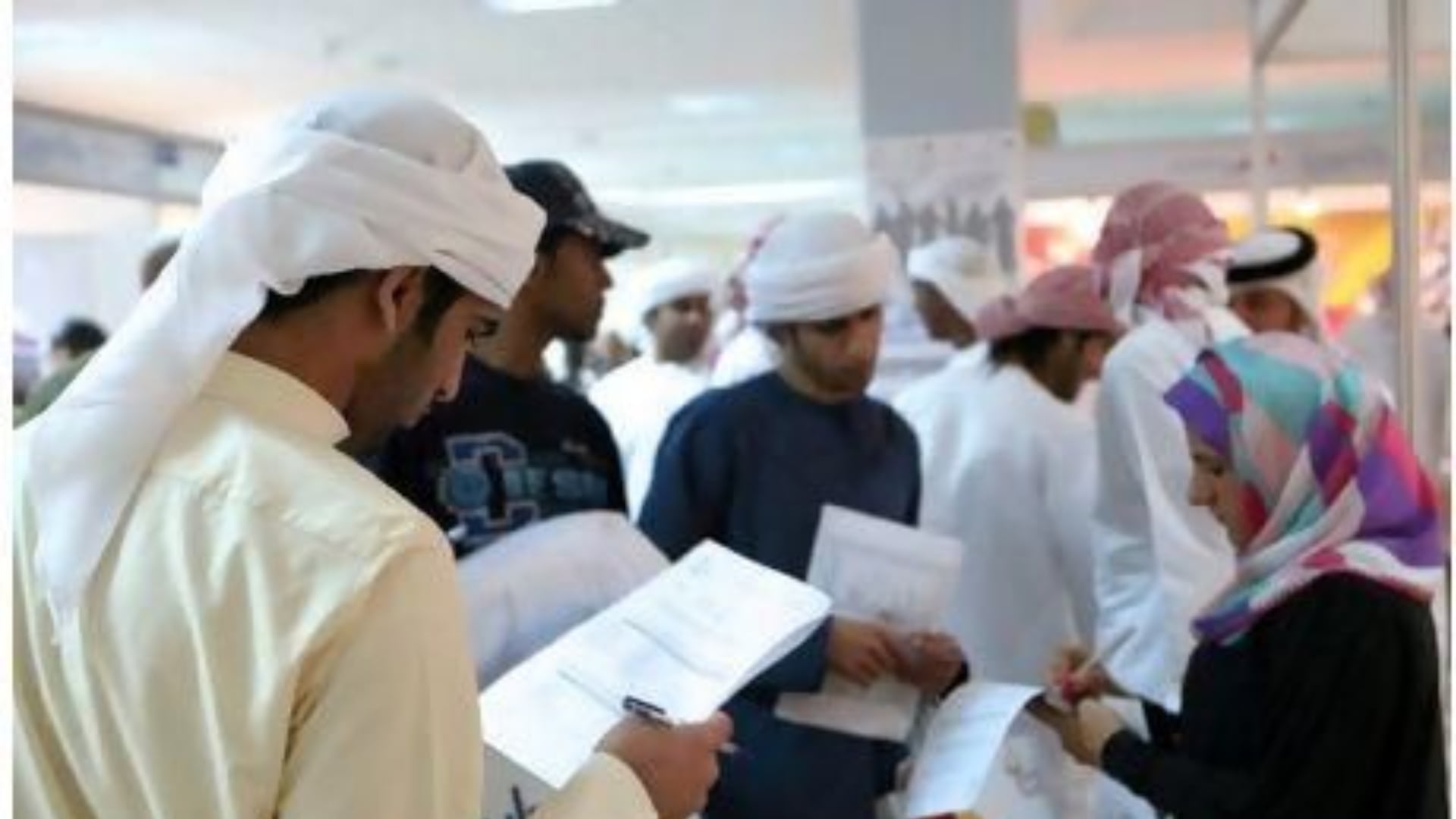
Globally, youth unemployment stands at about 12.4%, with approximately 260 million young people either unemployed, out of education, or not in training. In the Arab world, where 60% of the population is under 30, youth unemployment is even higher, at roughly 27.7%, double the global average. This challenge has persisted for over a decade, affecting not only millions of delayed careers and households but also posing deeper social costs such as frustration, alienation, and potential radicalization.
Moreover, today's young generation is better educated, more ambitious, and more digitally connected than their predecessors, making the region's challenge more complex than merely producing talent. The transformation brought about by artificial intelligence will impact around 40% of jobs worldwide, with one in four jobs being exposed to generative AI.
While this does not mean job elimination, it signifies a significant transformation that carries consequences, especially for young individuals entering the labor market. Policymakers should now rethink the concept of sustainability, returning to its original triple bottom line of people, planet, and prosperity. In recent years, the environmental focus has overshadowed other aspects, leading to a focus on environmental metrics rather than the overall well-being of communities.
The misconception that sustainability means sacrificing jobs must be corrected. Instead, a new approach is needed, one that integrates jobs, growth, and environmental stewardship simultaneously. For instance, a solar project that reduces emissions but lacks local job creation or a new industrial plant that employs thousands but relies on unsustainable resource use are incomplete sustainability successes.
Policymakers must ask critical questions when evaluating investments, infrastructure projects, and green transition initiatives: how much economic value will it create? How many people will it enable to participate productively in that value? And can that value be created within environmentally sustainable limits for future generations?
Only by addressing these questions can we ensure that sustainability is not just a target for 2050 but also a tangible opportunity for young people to look forward to on their first day of work.
Written by urgent.news from The National UAE's reporting — not their text. Machine-written — may contain errors; check the original before relying on it.
Also reported by 1 other outlet
- For young job seekers, sustainability cannot only be a target for 2050 thenationalnews.com