Expanding credit and livelihoods
As the labour market continues to recover policy credit is helping poor and vulnerable workers improve their livelihoods while supporting small businesses to expand and create jobs
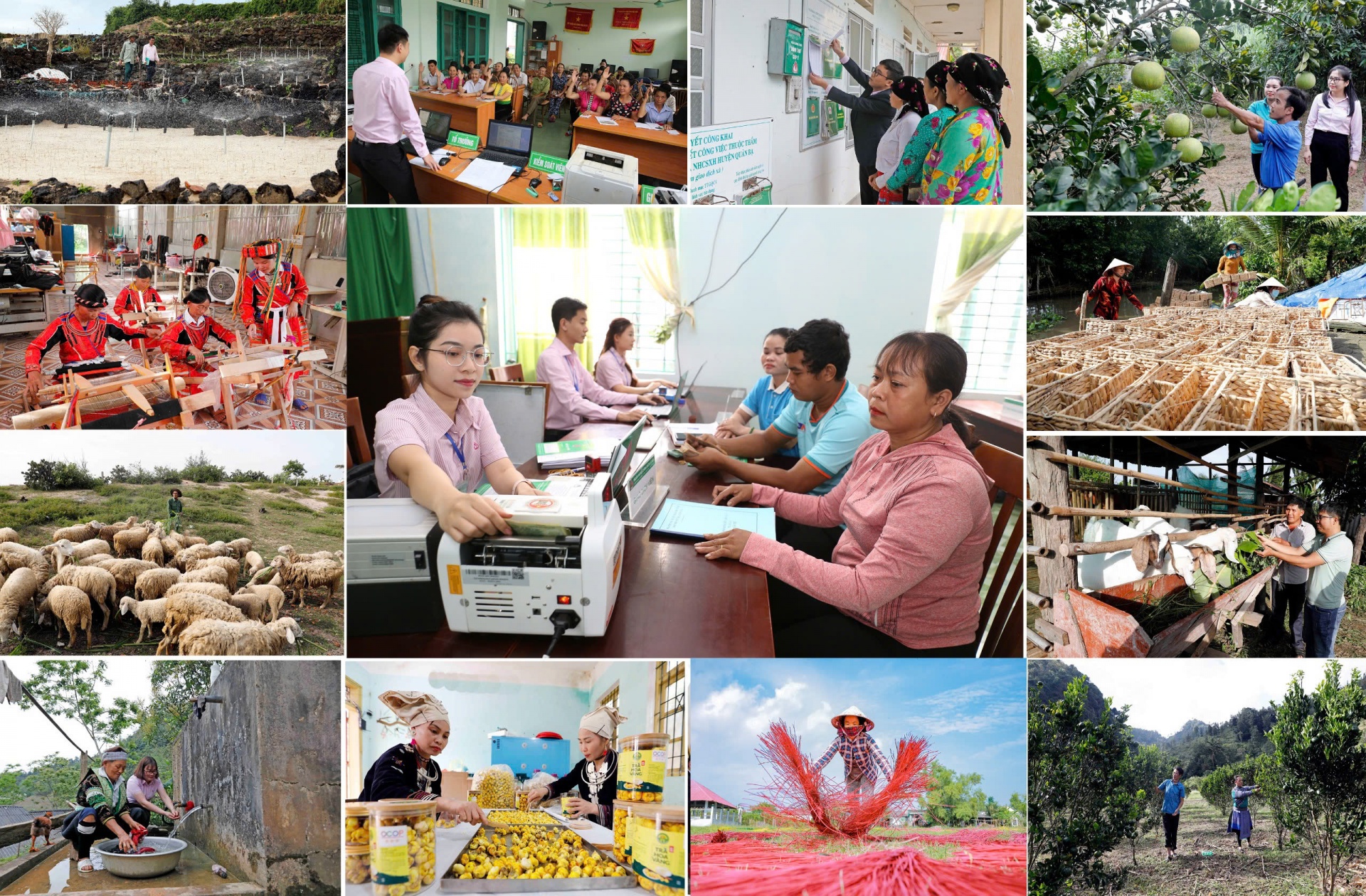
The labour market in Vietnam has been gradually recovering, with positive signs emerging in the first half of 2026. The labour force aged 15 and above grew to 53.7 million, an increase of 690,700 compared to the same period in 2025. The number of employed people rose to 52.6 million, up 672,500, with average monthly income at $360, a $28.68 increase compared to last year.
Despite these improvements, a significant gap remains in employment and livelihoods. Nearly 2.2 million people were classified as underutilised labour, while over four million were engaged in producing goods and services primarily for their own consumption, most of them in rural areas. Informal employment accounted for 61.9 per cent of total employment, rising to 71.1 per cent in rural areas.
These figures highlight that employment challenges extend beyond the unemployment rate; many households, particularly in rural areas, lack capital to expand their activities, and income disparities are evident, with urban workers earning $424 per month on average, compared to $316 for rural workers. To address these issues, the Government introduced a lending programme under Decree No.338/2025/ND-CP, providing job creation, job retention, and expansion support.
Workers can now borrow up to $8,000, while production and business units may borrow up to $400,000, with individual worker loans capped at $8,000. The loan term is limited to 10 years. Notably, funding is tied to employment objectives, requiring borrowers to have a plan for using the funds to create, retain, or expand employment.
Production and business establishments must also present a feasible capital-use plan that meets regulatory requirements. Loan interest rates are currently 7.92 per cent annually, with a preferential rate of 6.24 per cent for certain disadvantaged groups, including ethnic minority workers, poor households in difficult socioeconomic conditions, people with disabilities, and caregivers for severely disabled individuals.
These groups receive additional preferential treatment if at least 30 per cent of their workforce meets certain criteria. The programme aims to direct capital to areas with demand and the capacity to turn it into economic activity, ultimately creating conditions for more people to build better livelihoods from their work.
Written by urgent.news from Vietnam Investment Review's reporting — not their text. Machine-written — may contain errors; check the original before relying on it.