Existing banking model could draw a dagger through Ghana’s 24-Hour Economy
Total bank advances jumped 38.6 percent to GH¢124.3 billion in June 2026, from GH¢89.7 billion a year earlier, while private-sector credit expanded 41.2 percent. Yet the structure of lending shows that the productive sectors expected to drive the 24-Hour Economy continue to receive relatively small shares of private-sector credit.
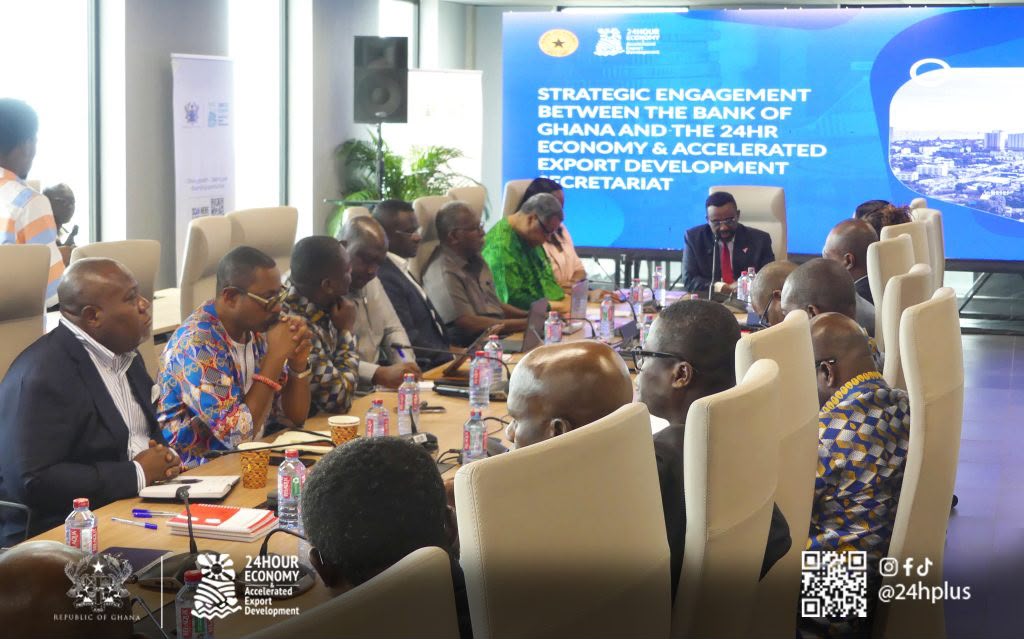
Ghana's 24-Hour Economy faces a potential roadblock in the form of its existing banking model. While bank advances have surged by 38.6 percent to GH¢124.3 billion in June 2026, the allocation of this credit reveals a stark disparity in financing for productive sectors. Manufacturing, expected to drive the 24-Hour Economy, holds only about 11.1 percent of outstanding private-sector credit, while agriculture receives only 4.5 percent.
This financial mismatch could result in a booming economy that remains reliant on imports and suffers from inadequate industrial transformation. The Bank of Ghana has an opportunity to facilitate productive-sector financing without directly lending. By establishing a Productive Sector and Value-Chain Finance Facilitation Unit, the BoG can work with banks, development finance institutions, and various stakeholders to introduce long-term industrial credit, equipment leasing, and export credit.
This approach would not weaken lending standards but instead would encourage better structures for assessing productive businesses. An alternative option is the establishment of a specialized Value Chain Industries Bank, which could be partially funded by private investors and industry associations. This bank would provide the necessary capital for productive value chains, while commercial banks could participate through co-lending and guarantees.
Both approaches can coexist, with the BoG's facilitation structure addressing regulatory and financing constraints, while the specialized bank supplies the tailored capital that conventional commercial banking may lack. Ultimately, the aim is to ensure that the expansion of private-sector credit leads to productive investment rather than just increased consumption and short-term commercial activity, thereby transforming Ghana's economy and creating jobs.
Written by urgent.news from MyJoyOnline Ghana's reporting — not their text. Machine-written — may contain errors; check the original before relying on it.
This story
This is one outlet's version. Read the fullest account.