Excessive Air Conditioning Use May Cause Cities to Heat Up — and Passive Cooling Techniques Could Be the Future
New research reveals how passive cooling techniques are going to be increasingly important to reduce energy use and cool urban areas. Learn more about them.
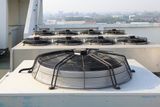
In a scorching city during summer, air-conditioned buildings provide a welcome respite from the heat, but their cool interiors can actually make the surrounding streets and buildings hotter. To combat this urban heat island effect, passive cooling techniques offer a promising solution. Researchers suggest that buildings should incorporate passive cooling methods that rely on natural means to lower temperatures, reducing the demand for energy-intensive air-conditioning units.
Passive cooling techniques include special coatings, improved ventilation, ceiling fans, and other technologies. These methods can potentially reduce city-wide temperatures by several degrees, thereby decreasing the overall reliance on air-conditioning systems. Air-conditioning provides relief during extreme heat, but it comes at a significant cost.
In single-family homes, air conditioners can cost thousands of dollars, and monthly utility bills are a burden. Air conditioning accounts for around 12 percent of total energy consumption in homes, and it contributes to global greenhouse gas emissions.
The production of air-conditioning units generates heat that contributes to the overall warming of the city. While some cities can alleviate this additional heat by planting trees and creating parks, this measure alone is insufficient. Passive cooling technologies provide more radical and effective solutions. Examples of these technologies include radiative coatings, which reflect sunlight instead of absorbing it, and evaporative coatings, which utilize hydrogel-based cooling systems to release moisture and cool surfaces.
Other passive cooling methods include shading systems on building exteriors, improved ventilation inside, advanced ceiling fans, green roofs with vegetation, and reflective pavement for sidewalks and streets. These technologies can reduce the need for air-conditioning by up to 80 percent when combined with efficient building design.
Passive cooling doesn't compromise natural light in buildings, as demonstrated by the example of tropical Singapore, where buildings now operate without air conditioning despite average daytime highs reaching 87 to 91 degrees Fahrenheit.
Implementing passive cooling techniques can significantly reduce cities' temperatures, providing a more sustainable and cost-effective alternative to air-conditioning. This approach benefits urban areas, where many residents lack the resources to invest in air-conditioning units. Passive cooling offers a cheaper and more accessible solution to combat rising temperatures and mitigate the impact of heat waves on health and the economy.
Written by urgent.news from Discover Magazine's reporting — not their text. Machine-written — may contain errors; check the original before relying on it.