Evergrande sentence signals no bailout for China’s troubled property sector
BEIJING, Aug 20 — For property giant Evergrande, the face of China’s real estate woes, an excruciating saga...
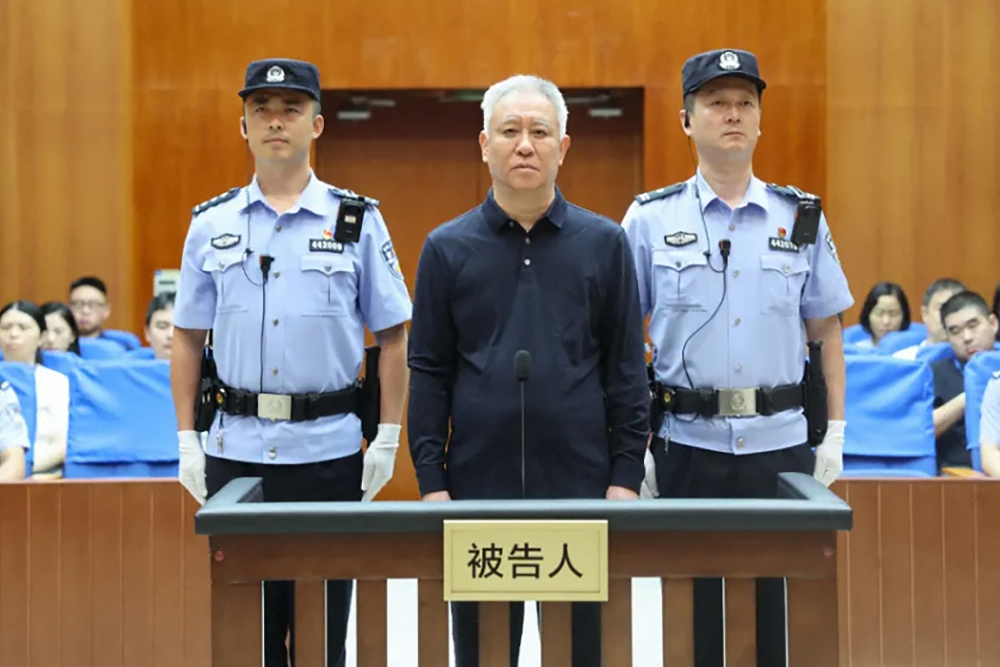
Beijing, Aug 20 - China's real estate giant Evergrande, a symbol of the country's property sector troubles, received a significant legal punishment on Thursday. The Shenzhen court sentenced its founder Xu Jiayin to life imprisonment, and fined the group and an affiliate over US$2 billion for fraud and other offenses. While the verdict marks an end to Evergrande's prolonged saga, challenges persist due to a stubborn slump in China's once-booming property market, which could impact the world's second-largest economy.
Evergrande's decline began in 2020 when Beijing introduced new regulations limiting excessive borrowing in the real estate sector, making it difficult for the company to meet its payments. This led to a drawn-out struggle across the industry as construction projects remained unfinished, stocks plummeted, and cash flows dwindled. In 2021, Evergrande defaulted, and a Hong Kong court ordered its liquidation in 2024. In August last year, Evergrande shares were delisted from the Hong Kong Stock Exchange.
The ongoing crisis in China's real estate market, a key driver of national growth, has had a significant impact on the country's economy. Analysts say Evergrande's collapse has made the problem more structural, highlighting the weaknesses of the system. Alicia Garcia-Herrero, Asia-Pacific chief economist at Natixis, said the debt struggles of Evergrande and other real estate companies have severely affected consumer confidence, deterring potential homebuyers from making purchases.
The slump in sentiment coincides with calls for China to shift towards a growth model driven more by domestic consumption than investment in real estate and infrastructure. Garcia-Herrero noted there are numerous reasons for the housing sector's lack of demand, including stagnant disposable income and a shrinking population. New-home prices saw a faster decline in July compared to the previous month, according to official data released this week.
Beijing is attempting to address the deep-seated issues in the property sector while minimizing turbulence for the domestic economy. The court rulings sent a clear message that the central government has not changed its policy course and will not bail out the property sector, according to Dan Wang, a director on Eurasia Group's China team.
The rulings also serve as a warning for companies to adopt debt-conscious practices. China aims for GDP expansion between 4.5 and 5.0 percent this year, its lowest official target in decades, as slowing growth has been a concern for years. The latest data showed retail sales declining compared to the previous year, with investment in real estate development down by nearly one-fifth year-on-year through the end of July.
Written by urgent.news from Malay Mail's reporting — not their text. Machine-written — may contain errors; check the original before relying on it.