EV sales are surging in Australia. But are they cheaper to run?
The electric vehicle share of Australia's car market has almost tripled in the first half of 2026 amid the cost-of-living crisis and fuel shock. Here's what you need to know about maintenance and running costs.
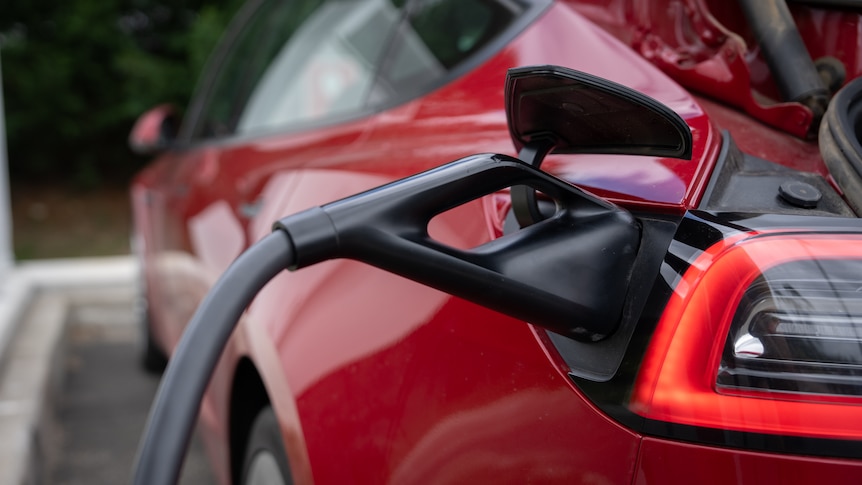
Australia is witnessing a surge in the adoption of electric vehicles (EVs), with over 650,000 EVs on the road as of June 2023. The Australian Automobile Association reported that nearly half of all new vehicles sold were either electric or hybrid in the year-to-date period, representing a 26.7% share of total new vehicle sales, up from just 12% in the same period last year.
Despite the recent spike in petrol prices, some drivers are attracted to EVs due to their perceived lower running costs. However, the question remains: are EVs truly cheaper to operate?
According to the Department of Climate Change, Energy, the Environment and Water (DCCEEW), EVs indeed have lower operating costs compared to traditional gasoline or diesel vehicles. While EVs require regular servicing and maintenance, they have fewer moving parts and thus require less frequent servicing. Typically, an EV needs professional servicing once a year, unlike ICE vehicles that may need more frequent checks.
The Electric Vehicle Council (EVC) concurs, stating that EV maintenance is simpler and less frequent, focusing on tasks such as tyre, brake, and suspension inspections, battery health checks, and software updates.
However, some misconceptions persist regarding EV maintenance. While EVs do not require oil changes, they do still need oil changes for their transmission or reduction gearbox, as well as for cooling systems in the battery and inverter. Additionally, brake fluid needs to be changed every two to three years, just like in ICE vehicles.
Despite these additional costs, EVs still tend to be cheaper to maintain overall, with the EVC estimating annual savings of around $3,000 compared to equivalent ICE vehicles. This is primarily due to the lower cost of electricity compared to fuel and the reduced frequency of parts replacements.
The transition to EVs presents both a challenge and an opportunity for Australia's automotive workforce. As EV adoption grows, the demand for trained EV technicians is expected to increase. The Motor Trades Association of Australia (MTAA) estimates that there will be about 8,400 EV technicians by 2028, rising to 13,000 by 2030. To meet this demand, the EVC highlights the importance of expanding training programs, such as the Certificate III in Automotive Electric Vehicle Technology, which prepares technicians according to Australian standards.
While there are currently shortages of motor mechanics nationwide, the industry is likely to adapt and upskill as the EV market continues to expand.
Written by urgent.news from ABC News AU's reporting — not their text. Machine-written — may contain errors; check the original before relying on it.