Earthquakes Hit Venezuela, Colombia, Indonesia and Spain: Has 2026 Seen More?
Earthquakes that have shaken Venezuela, Colombia, Indonesia, the Philippines, Mexico, Japan, Tonga, and other parts of the world have made 2026 a particularly notable year for seismic activity. In just a few weeks, several earthquakes of magnitude 7 or greater have left thousands of victims, enormous material damage, and a question that is being asked […]
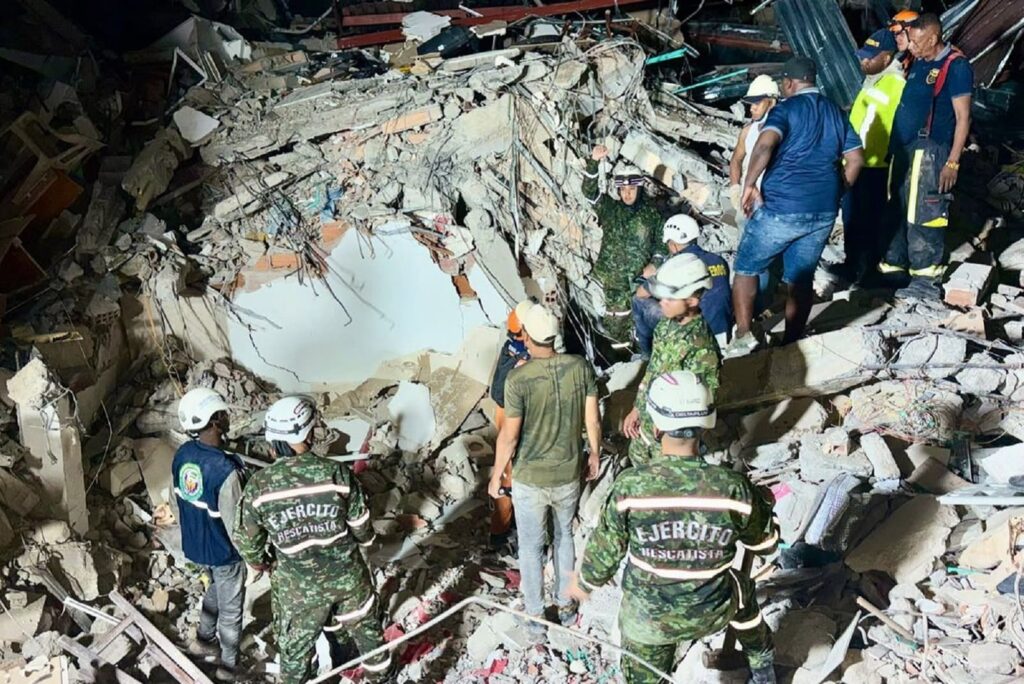
2026 has witnessed numerous significant earthquakes across the globe, including in Venezuela, Colombia, Indonesia, and Spain. This heightened seismic activity has left many wondering whether it marks an unusual increase in global tectonic activity. However, scientists from the U.S. Geological Survey (USGS) emphasize that such variation in earthquake numbers is typical for our planet.
Despite the perception that 2026 is exceptional, the available data suggest that there is no evidence of a substantial shift in Earth's seismic behavior. The Philippines, Venezuela, Mexico, Colombia, Indonesia, Japan, Tonga, and Spain have all experienced magnitude 7 or greater earthquakes this year, but these events do not indicate an abnormal global increase.
The USGS estimates that around 20,000 earthquakes occur worldwide each year, with about 55 per day, and the historical average since the 20th century is approximately 16 earthquakes of magnitude 7 or greater annually. The increased frequency of major earthquakes in 2026 can be attributed to better detection systems and enhanced communication, leading to a greater perception of an abnormal increase.
The fundamental cause of earthquakes lies beneath our feet, where tectonic plates move slowly and accumulate stress along faults. When the pressure surpasses rock strength, a rupture occurs, releasing energy in the form of seismic waves. While the depth, distance from cities, soil type, construction quality, and emergency preparedness influence the destructive potential of an earthquake, the planet continues to release energy as it has for millions of years.
The succession of earthquakes in 2026 may appear extraordinary, but it is not a sign of the Earth entering a new era of seismic activity. Instead, it highlights the need for improved preparedness and understanding of tectonic processes to mitigate potential consequences.
Written by urgent.news from Colombia One's reporting — not their text. Machine-written — may contain errors; check the original before relying on it.