Drinking water while running: All about ‘85% hyper sweating rule’
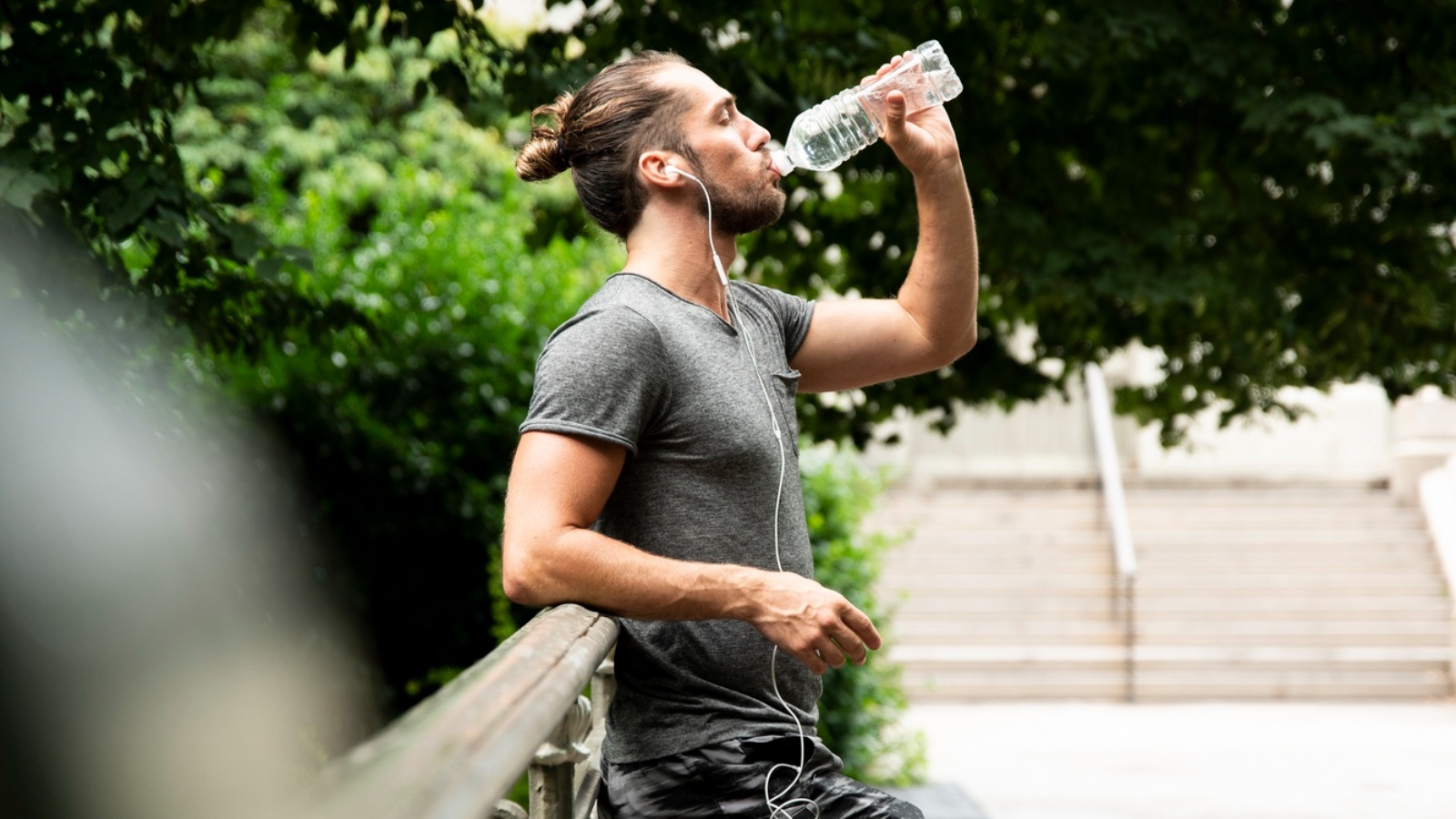
High-performance coach Shivender Pratap Singh Kanwar shares his hydration strategy in a YouTube video titled "The 85% hyper sweating rule." He drinks around 250-300 ml of water every 5 kilometers during long runs, along with gels containing carbohydrates and electrolytes. He carries about a liter of water in his running vest for a 20-kilometer run.
However, hydration expert Dr. Gazanfar Patel, from Wockhardt Hospitals, Mumbai Central, cautions that drinking water does not reduce sweating. Instead, sweating is the body's natural cooling mechanism, and fluid loss varies based on factors such as pace, body size, fitness level, temperature, and humidity. Two runners completing the same distance may lose different amounts of fluid.
Dr. Patel advises personalizing hydration based on thirst and individual sweat losses, especially for longer distances. For most people, water is sufficient for runs under an hour, but electrolytes become more important for runs beyond 60-90 minutes, especially in hot weather. Sodium is crucial because it is the primary electrolyte lost through sweat.
For runs lasting over an hour, Dr. Patel recommends 300-600 mg of sodium per hour. Sports drinks or electrolyte solutions can be used during long runs but are not necessary for short runs. However, runners do not need to replace every drop of sweat lost during exercise.
Understanding individual sweat rates is more beneficial than blindly following a fixed hydration target for longer races. Signs of dehydration include intense thirst, dry mouth, dizziness, headache, unusual tiredness, and a noticeable drop in performance. Runners should also watch for symptoms like nausea, bloating, headache, confusion, and swelling.
Ultimately, hydration during running is not about following a rigid rule. Factors such as distance, duration, weather, sweat rate, intensity, and individual needs all matter. For shorter runs, water may be sufficient, while longer or more demanding sessions may require sodium and carbohydrate replacement.
Written by urgent.news from The Indian Express's reporting — not their text. Machine-written — may contain errors; check the original before relying on it.
Also reported by 1 other outlet
- Drinking water while running: All about ‘85% hyper sweating rule’ indianexpress.com