Don’t tell us we’ll run the world tomorrow—listen to us today
A 15-year-old’s raw perspective on Women’s Month: high school pupil Savania Govender challenges society to look past corporate banners and address the everyday pressures teenage girls face online and in classrooms, demanding spaces where youth are heard today, not just tomorrow.
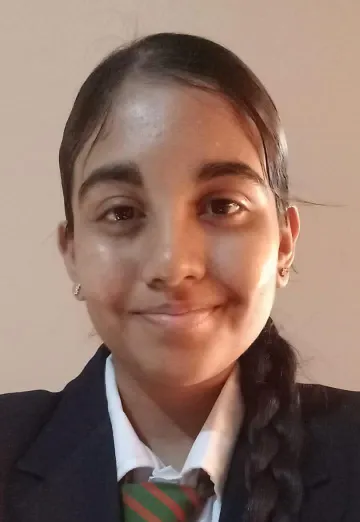
As August arrives, it feels as though the world transforms into a corporate aesthetic. Grocery store aisles overflow with pink balloons and flower shops hike up their prices, while brands unveil cheesy ads celebrating women's value. The message is clear: women are strong and resilient. While it's understandable to appreciate this sentiment, sitting in class recently, I couldn't help but feel disconnected.
Amidst a sea of aesthetic Instagram tributes, I struggled to focus on my math lessons. To a 15-year-old girl navigating high school hallways and group chats, the public praise for Women's Day seems to belong to a completely different world.
I am taught the history of women's rights in school, including the brave march of women in 1956 against pass laws. Their courage is admirable, and I respect it deeply. However, when teachers discuss this history, it often feels like a completed story, as if the fight for equality reached a satisfying conclusion decades ago. Yet, this is far from the reality I experience daily.
The challenges faced today are quieter and more insidious—they are pervasive in the online world, casual sexism in the classroom, and the constant pressure to conform to unattainable standards. While we are told we can achieve anything, we are also warned to tread carefully, alter our tone, and shrink ourselves to avoid being seen as "too much."
Women's Day celebrations often focus on the achievements of successful women, but they rarely address the struggles and uncertainties that come with the journey. It's a dichotomy that leaves many feeling disconnected from the day's message. Empowerment doesn't mean feeling invincible all the time; for many girls like me, it's about finding the courage to speak up when our voices tremble or supporting a friend battling self-doubt silently.
To truly bridge the gap between Women's Day and our everyday lives, we must change how we engage with this issue. Schools and community spaces should facilitate open, unfiltered conversations led by teenagers themselves, discussing issues like online safety, mental health, and everyday equality. It's crucial for older women to share their failures and messy journeys, normalizing the idea that it's okay to navigate these challenges as we grow.
Moreover, teaching boys to stand alongside us is essential, transforming the culture in our classrooms so that respect is not just a rule but a practiced value daily. We cannot treat women's rights as a seasonal event that concludes with August. The pressures and expectations we face don't vanish when we turn eighteen; they are integral to the reality of being a teenage girl today.
So, while it's nice to see banners and tributes, let's not stop there. Let's build a space where teenage girls feel truly part of this movement—where they understand that Women's Day belongs to them, not just as an adult holiday but as an ongoing journey of empowerment and equality.
Written by urgent.news from IOL's reporting — not their text. Machine-written — may contain errors; check the original before relying on it.