Dollar falls to three-month low as Treasury moves to soothe bond jitters
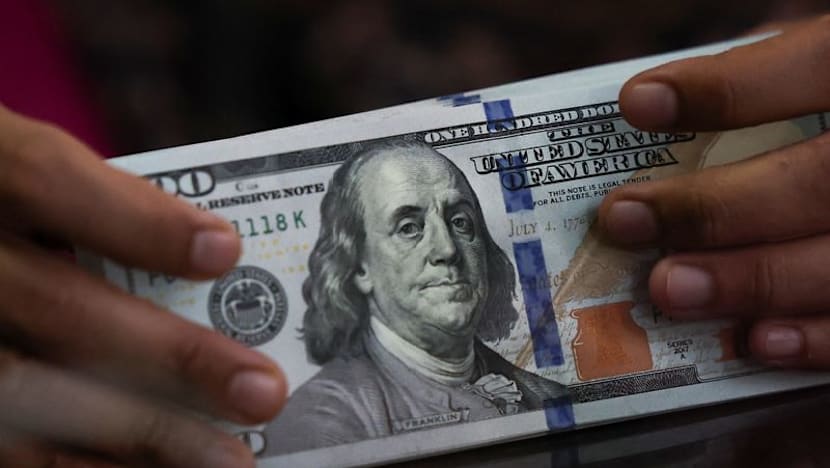
The U.S. dollar tumbled to a three-month low on Thursday as the Treasury Department attempted to allay concerns in the bond market, which had been grappling with a selloff that pushed long-end yields to their highest levels since 2007. The dollar index, which gauges the dollar's value against six other currencies, reached 98.723, marking its lowest point since May 14. The euro stood at $1.1692, marking the highest level since mid-May.
ING global head of markets, Chris Turner, stated that the Treasury's decision to buy back Treasury securities with maturities between 10 and 30 years should provide reassurance to markets, reducing one of the many uncertainties that could negatively impact the investment environment and exert a slight downside pressure on the dollar.
The 30-year Treasury yield hit a 19-year high of 5.337 percent earlier in the week, before falling to 5.198 percent after the Treasury's intervention, which shifts more of the government's borrowing towards short-term bills.
Inflation concerns continued to weigh heavily on investors, with several policymakers at the Federal Reserve ready to raise interest rates following a meeting last month. However, with recent economic data showing softness in inflation, labor markets, and activity, there is little indication that rate hikes are imminent. The yen, meanwhile, benefited from the dollar's weakness, with the currency trading at 158.41 per dollar, a slight retreat from its previous session's peak.
Sterling climbed to $1.3631, its highest level in three months, while the Swiss franc slipped slightly to 0.7986 per U.S. dollar.
Written by urgent.news from Channel News Asia's reporting — not their text. Machine-written — may contain errors; check the original before relying on it.
This story
This is one outlet's version. Read the fullest account.