CK Hutchison exige a Panamá 1.500 millones de dólares por su salida de las terminales del puerto
El conglomerado acusa al gobierno de "destrucción" de inversiones tras ser expulsado de las terminales. Leer
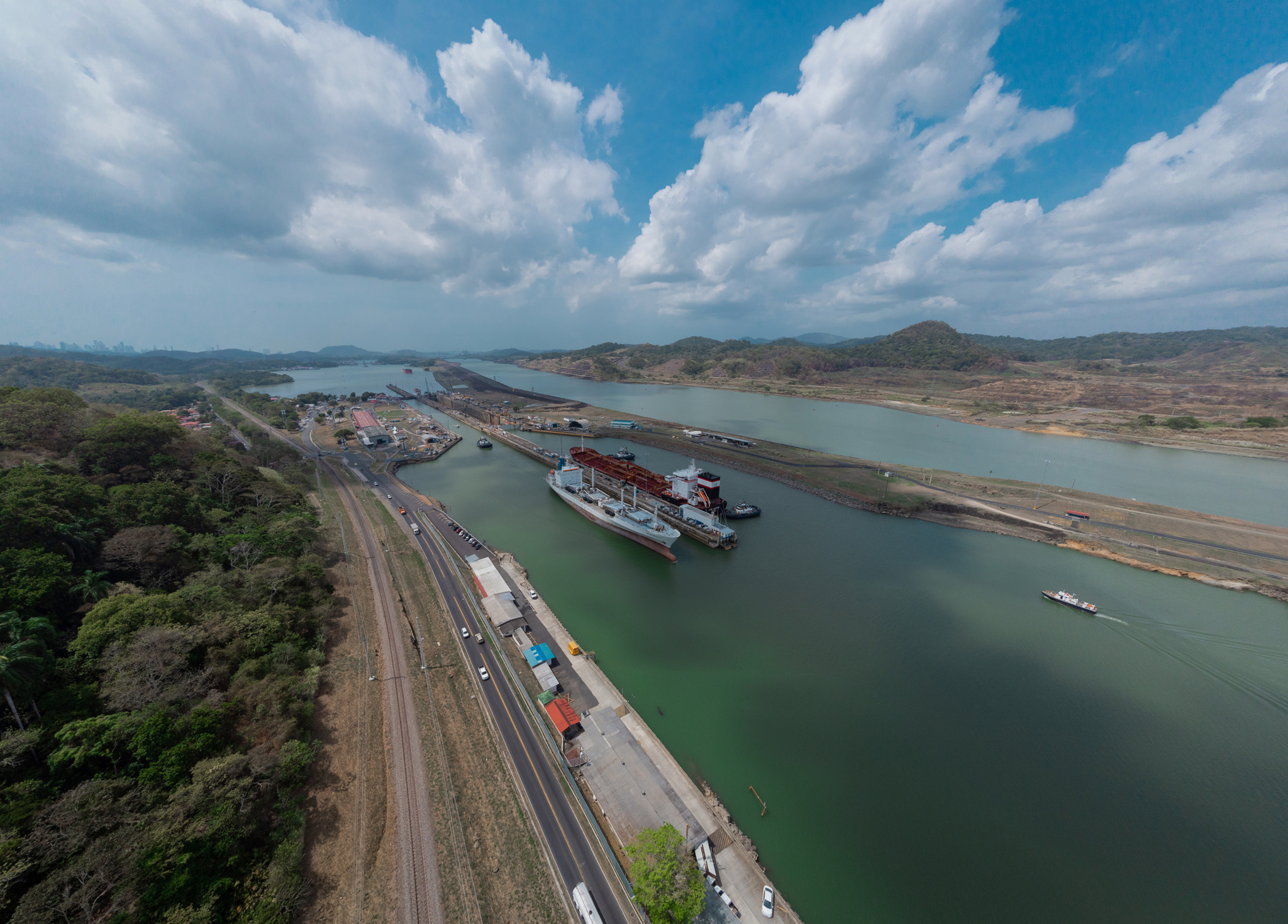
CK Hutchison is demanding $1.5 billion from Panama for their expulsion from the port terminals. The conglomerate, headquartered in Hong Kong, filed the lawsuit on Thursday, citing losses and damages incurred by Panama following the government's decision to expel CK Hutchison from two ports within the canal. The conglomerate has taken Panama to arbitration following a January Supreme Court decision that nullified their contract to operate two terminals in the Panama Canal.
The group accused Panama of breaching an investment protection treaty, which allegedly led to the annihilation of CK Hutchison's investments in the country. According to the legal information platform Jus Mundi, the treaty in question is the bilateral British-Panama investment treaty of 1983, as CK Hutchison is incorporated in the Cayman Islands.
This legal escalation marks a fierce battle for control of operations in this crucial commercial corridor, one of the world's busiest shipping lanes. CK Hutchison's local subsidiary, Panama Ports Company, has already initiated arbitration proceedings against the government, demanding $2 billion in damages and other losses. The firm has also taken Maersk, a Danish shipping company, to arbitration.
The conglomerate, led by Hong Kong's richest man Li Ka-shing, had been attempting to sell its port operations in the Panama Canal. In March of the previous year, they negotiated a $23 billion deal with a consortium led by BlackRock to sell their port subsidiaries outside China, operating in strategic locations such as Panama, Rotterdam, and Felixstowe (United Kingdom).
The agreement's terms granted BlackRock majority ownership in Panama Ports Company, while MSC, controlled by the Aponte family, would become the majority owner of the remaining 41 ports outside China, including ports in Southeast Asia, Europe, and the Middle East. However, the proposal alarmed Beijing, which sought to modify the agreement, insisting that it comply with China's merger review process, despite the fact that it does not involve assets within mainland China.
Written by urgent.news from Expansion ES's reporting — not their text. Machine-written — may contain errors; check the original before relying on it.