China robot makers seek to turn humanoid hype into useful work
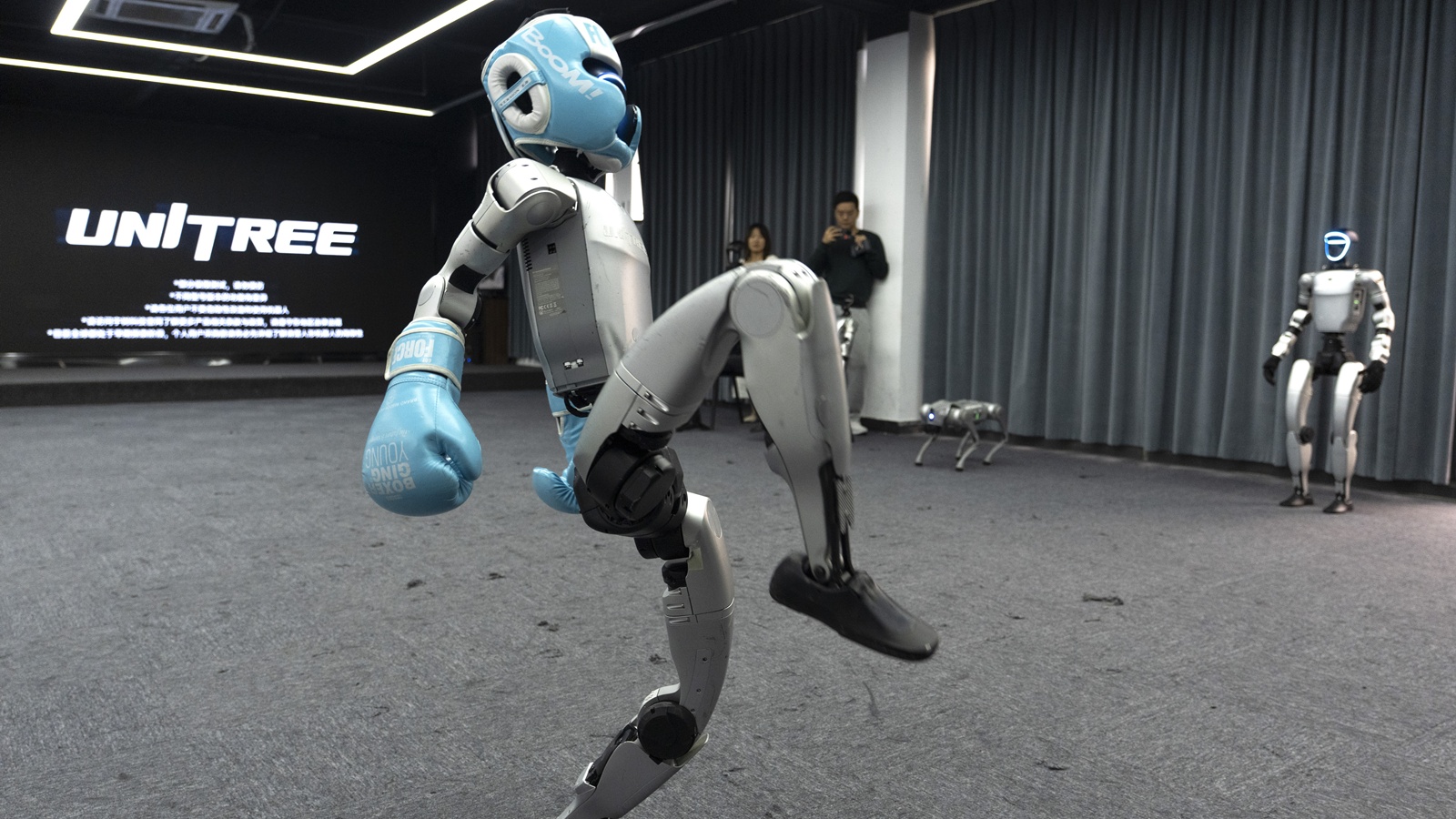
Chinese robot makers showcased humanoid robots performing various tasks at a Beijing conference on Wednesday, emphasizing a shift from impressive displays to practical commercial applications. Over 300 companies, mostly domestic, participated in the World Robot Conference, displaying more than 2,000 exhibits and launching over 150 products. The event highlights a growing investor interest in humanoids, seen as a potential source of industrial growth for China and an area of technological competition with the United States.
Unitree, a leading humanoid robot maker in China, saw its shares surge nearly sixfold following a successful initial public offering that was more than 8,000 times oversubscribed. Other startups, such as Lumos Robotics and the robotics division of Chery Automobile, also expressed interest in going public. International tech giant Nvidia, despite export restrictions on advanced AI chips, visited the event to showcase its robotics platforms and software used for simulating and testing AI systems.
Foreign exhibitors, like RealSense, see China as a strategic market for robotics development, with Chief Marketing Officer Mike Nielsen stating that the country is becoming the center of humanoid technology. Robotics are increasingly being tested in logistics, manufacturing, and service settings. Leju, an industrial humanoid robot firm, demonstrated robots sorting and moving crates, while Robotera's humanoid robot has been deployed at China Post logistics sites since last year.
DexForce showcased humanoid robots packing mobile phones at an assembly line, with the robots deployed at a Lens Technology factory since early this year. Lumos Robotics is already automating assembly processes in its factory and plans to introduce robots into final assembly. X Square Robot, focusing on household chores, is testing robots in hundreds of homes before moving towards commercialization next year.
RealSense believes that companies succeeding in China's robotics market will be those able to deploy robots in active production environments, noting that product cycles for robots are shorter, ranging from six to eight months compared to the typical three to four years.
Written by urgent.news from The Indian Express's reporting — not their text. Machine-written — may contain errors; check the original before relying on it.