China puts robocops on traffic duty, minus the arrest powers
It is not quite the "RoboCop" of the 1987 movie: no gun, no power to arrest and wheels rather than the Hollywood cyborg's mechanical stride.
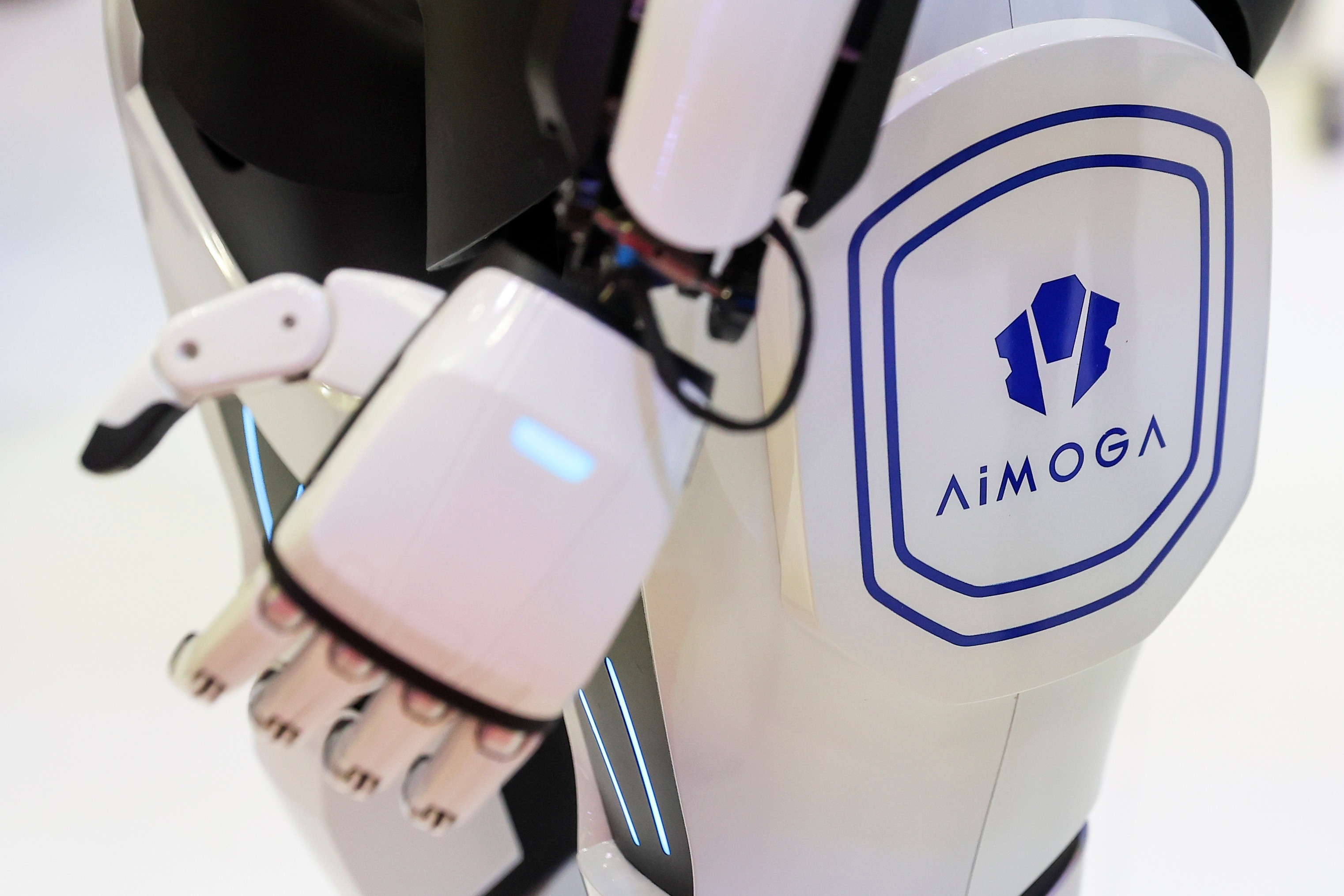
China has introduced robotic police officers to assist with traffic control at busy intersections in Hangzhou, an eastern Chinese city. These 1.88-meter-tall robots, developed by local firm SUPCON Information, can identify non-compliant e-bike riders, those carrying passengers, vehicles parked improperly, and pedestrians crossing against signals.
Instead of arresting offenders, the robots issue polite warnings and synchronize their movements with traffic lights. Other functions include providing directions, parking information, and traffic rules, while an emergency function connects users with local police. Since May, 15 such robots have been deployed in Hangzhou, issuing over 170,000 warnings and reducing cases of non-helmeted riding and vehicles crossing stop lines by more than 40%.
The robots rely on cameras, radar, and onboard computing to recognize violations with accuracy exceeding 95%, though they can be affected by strong sunlight, rain, and temperature extremes. SUPCON claims the robots work around the clock, autonomously moving between pre-set positions at intersections without remote control. A central platform enables traffic officers to monitor and dispatch the robots as needed.
As of now, nearly 50 similar robots operate across eight cities in three Chinese provinces, with the company anticipating their number to reach 200 by year-end.
China's push to integrate such machines into practical tasks extends beyond traffic duties. The country's robotics industry aims to move away from mere demonstration and showroom experiences, leveraging the robots' 7-jointed arms to mimic standard police gestures in sync with signals. However, exporting these robotic police officers overseas presents challenges, including adapting to local law-enforcement IT systems, obtaining necessary certifications, and complying with data-protection rules.
Nevertheless, there is potential in overseas markets, particularly where traffic officers face challenging conditions, such as high temperatures in the Middle East or persistent rain in Southeast Asia.
Written by urgent.news from Daily Maverick's reporting — not their text. Machine-written — may contain errors; check the original before relying on it.
This story
This is one outlet's version. Read the fullest account.
- China puts robocops on traffic duty, minus the arrest powers economictimes.indiatimes.com
- No Guns, No Arrest Powers: Meet China's New Traffic Robocops ndtv.com
- China deploys robot cops on traffic duty nation.africa