Can Creatine Help Non-Athletes? A Physical Therapist Weighs In
(MedPage Today) -- Welcome to Culture Clinic, MedPage Today's collaboration with Northwell Health to offer a healthcare professional's take on the latest viral medical topics. Creatine may help boost athletes' ability to perform high-intensity...
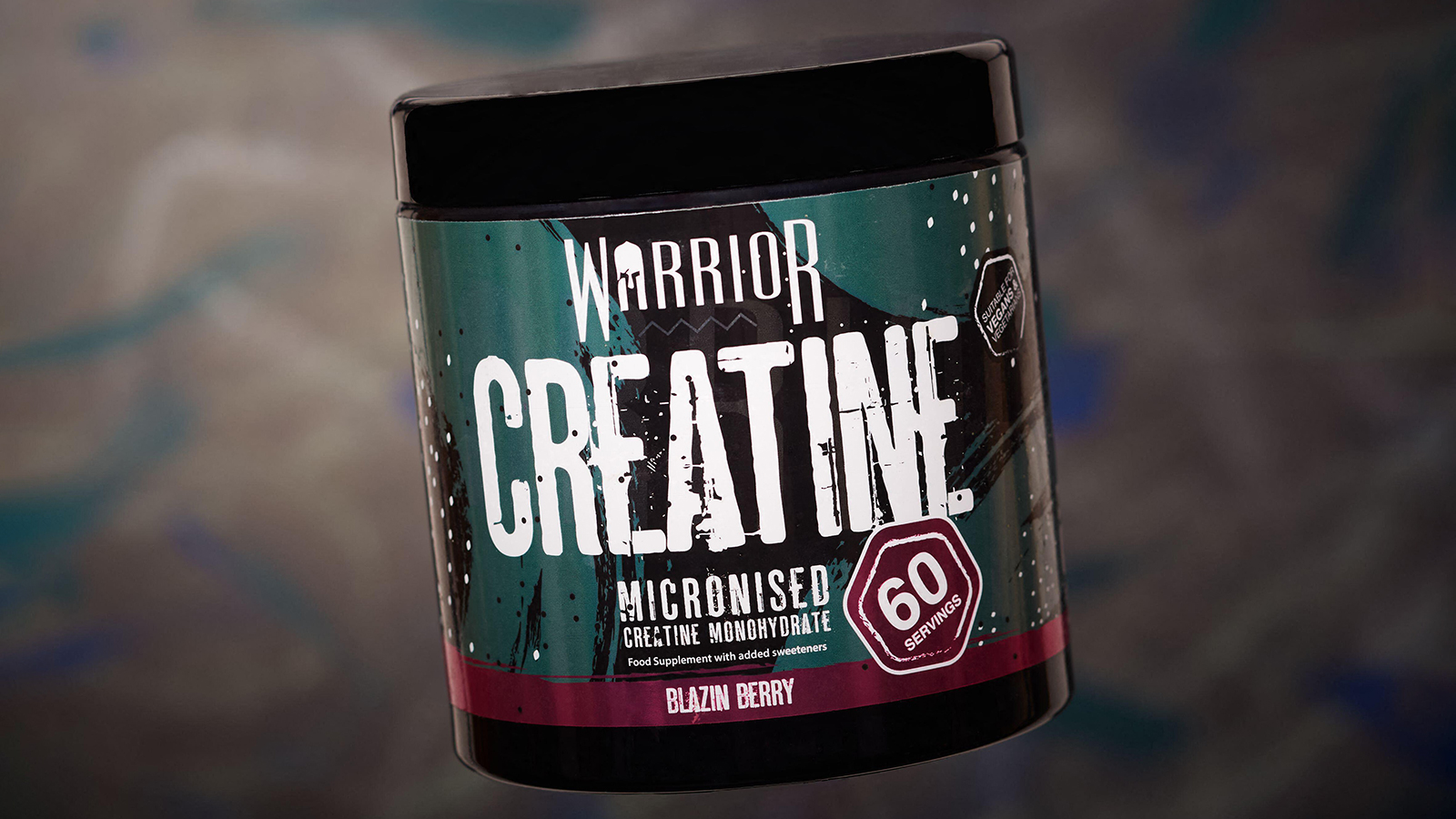
Creatine, a supplement commonly used by athletes to enhance performance in high-intensity activities, may also offer benefits to non-athletes. Brian DeVeaux, a physical therapist at Northwell STARS Rehabilitation and Hofstra University, believes that creatine supplements could aid in recovery after injury, particularly for individuals who have been immobilized in a brace for an extended period.
DeVeaux notes that creatine helps improve muscle strength and metabolism, as it regenerates adenosine triphosphate (ATP) from adenosine diphosphate (ADP). While a 2004 randomized trial found no benefit for patients who received creatine after anterior cruciate ligament reconstruction, DeVeaux thinks the supplement could still be helpful for those recovering from injury, especially if they haven't been mobile for some time.
There may be additional advantages to creatine use, with some studies suggesting that it could improve brain health. In a small study involving Alzheimer's patients, creatine supplementation led to an 11% increase in brain creatine levels over 8 weeks. However, the overall body of research on creatine and brain health is inconsistent and has significant knowledge gaps.
Despite the potential benefits, creatine is not without its risks. Unlike pharmaceutical drugs, supplements are not subjected to the same rigorous testing and regulation. This means that the actual contents of a supplement may not match what's listed on the label. For instance, a product may only contain a fraction of the stated amount of creatine monohydrate, or it may contain other ingredients that can cause gastrointestinal issues like bloating or stomach discomfort.
Dehydration and cramping can also occur if users do not stay well-hydrated while taking the supplement.
DeVeaux advises that individuals should purchase a supplement that's verified by a third-party certification program, such as the U.S. Pharmacopeia (USP), to ensure that the product contains the expected amount of creatine. Furthermore, he recommends that users take a standard daily dose of 3 to 5 grams of creatine monohydrate and that they incorporate the supplement into a comprehensive strength and conditioning program for optimal results.
Written by urgent.news from MedPage Today's reporting — not their text. Machine-written — may contain errors; check the original before relying on it.