Bulgaria to curb nuclear output due to low Danube river levels
The state-owned Kozloduy plant will reduce the capacity of one of its two operating reactors by around 120MW.
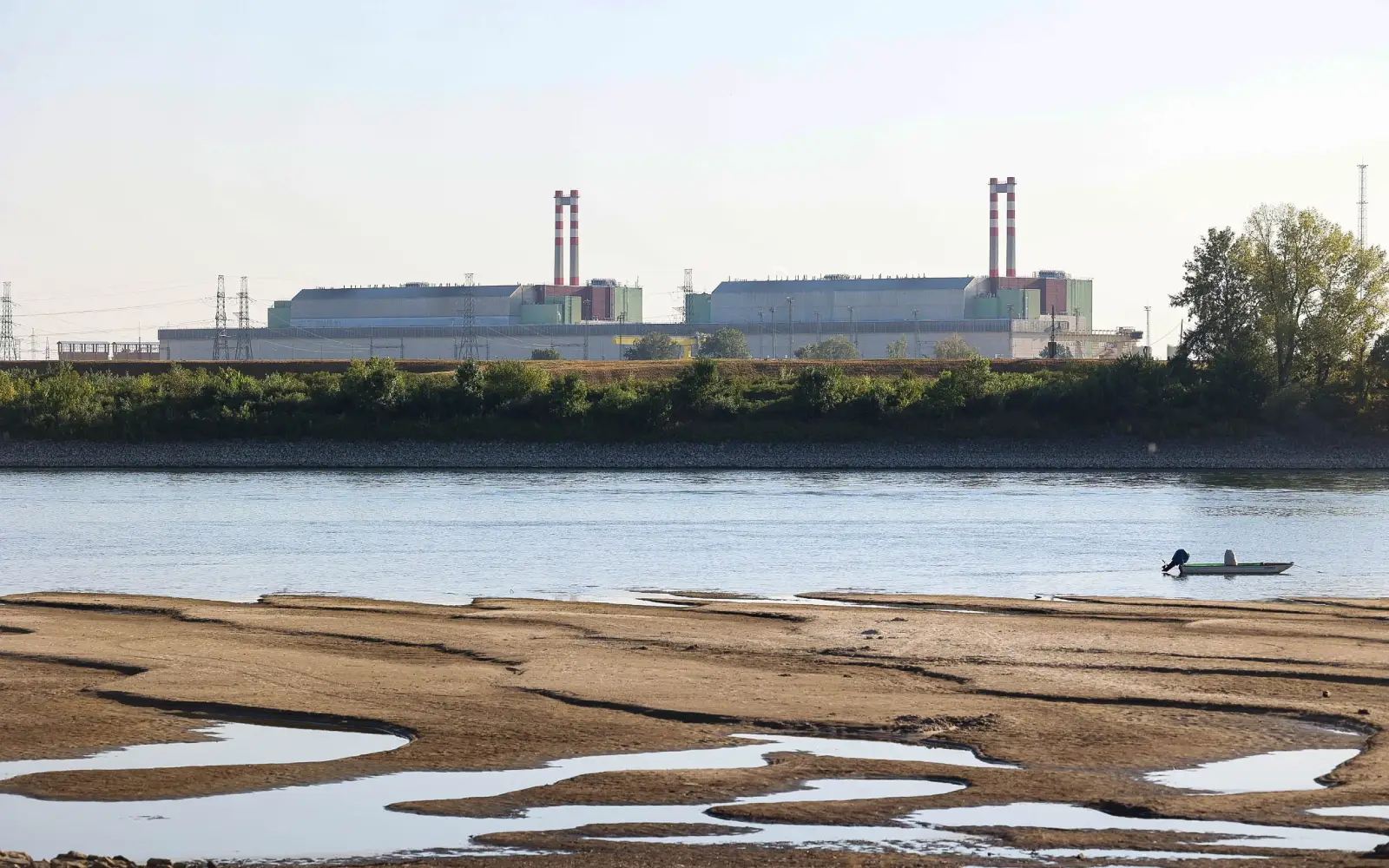
Bulgaria is set to lower the output of one of its two Kozloduy reactors, reducing capacity by around 120MW, due to a severe drought causing unprecedentedly low water levels in the Danube river. This measure is necessary to ensure the safe operation of the plant, which supplies over a third of Bulgaria's electricity. Romania and Hungary have also recently reduced nuclear power output due to the same reason.
The Kozloduy plant, the country's largest, relies on the Danube for cooling, and the reduction is the first since its inception 52 years ago. Romania completely shut down its Cernavoda plant, which generates a fifth of its electricity, on August 13, while Hungary is working to avoid a complete shutdown of its Paks plant by building a riverbed sill and partially submerging barges.
Despite these efforts, the Beznau nuclear plant in Switzerland was shut down in June due to high river temperatures, and France has reduced output at several reactors due to the heatwave. The drought in Europe is attributed to human-induced climate change, and experts warn that the problem will worsen.
Written by urgent.news from Free Malaysia Today's reporting — not their text. Machine-written — may contain errors; check the original before relying on it.
Also reported by 1 other outlet
- Bulgaria to curb nuclear output due to low Danube river levels freemalaysiatoday.com