Bolivia’s Lithium Isn’t a Gold Mine
Despite 20 percent of global deposits, the country produces less than 1 percent of supply.
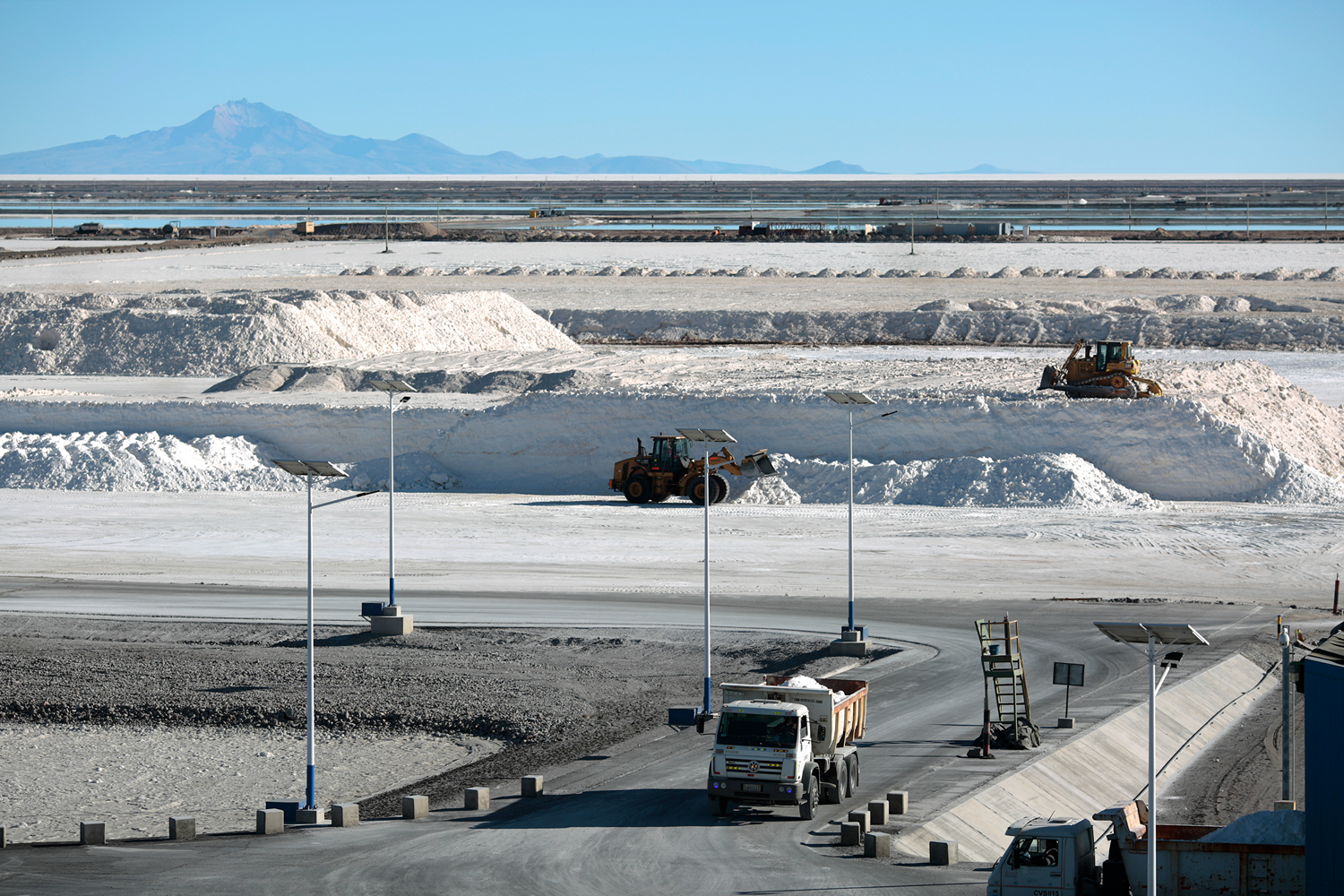
Bolivia is home to about 20 percent of the world's lithium deposits, most of which are located beneath the Salar de Uyuni salt flat. However, the country only produces less than 1 percent of global lithium. President Rodrigo Paz, who took office last year with a promise to revive the economy, will be measured by whether this ratio improves.
Despite a fall in lithium prices since their peak in 2022, the mineral remains vital for clean energy technologies like electric vehicles and solar panels. Yet, expanding production will encounter opposition from environmentalists and Indigenous groups concerned about potential harm to their livelihoods and the environment. In the nearby towns, residents raise llamas and alpacas, grow quinoa, and are wary that lithium extraction could contaminate groundwater and deplete aquifers.
Many Uyuni residents, who work in tourism, fear that lithium extraction would negatively impact their industry. President Paz has assured he won't "sell out" Salar de Uyuni, focusing more on its tourism potential than its lithium reserves. He did not emphasize lithium during his campaign or early meetings with international organizations.
Paz, a center-right candidate, won the October runoff against right-wing opponent Jorge Quiroga, gaining support from disaffected left-wing Movement for Socialism (MAS) party members, including those in Indigenous regions. Evo Morales, the ex-president and former MAS leader, previously promised to enrich Bolivia by asserting state control over resources, alleging he was ousted in a U.S.-backed "coup" to seize the lithium.
However, Paz has faced economic challenges, including a foreign currency shortage driving inflation to a 30-year high of 19.6 percent, though it has since dropped to around 5 percent. People face long lines for fuel and essential items like cooking oil, and money changers sell dollars and euros at inflated rates. Farmers have staged massive protests against government agribusiness and mining deals.
Bolivia's current constitution, introduced in 2009, prohibits foreign companies from extracting natural resources like lithium, necessitating state partnerships with Yacimientos de Litio Bolivianos (YLB). Changing the constitution is required to allow foreign investment, which will need to be done quickly if investors are to come.
Paz will also need to address contracts between YLB and Chinese and Russian companies for lithium extraction in Salar de Uyuni, without proper environmental assessments or community consultations, causing concern for scientists and environmentalists alike.
Written by urgent.news from Foreign Policy's reporting — not their text. Machine-written — may contain errors; check the original before relying on it.