Bessent threatens "toughest sanctions in history" on Iran
Treasury Secretary Scott Bessent says the U.S. is planning to impose devastating sanctions on Iran as war with the U.S. drags on. CBS News' Olivia Rinaldi has more on that and North Korea's launch of ballistic missiles.
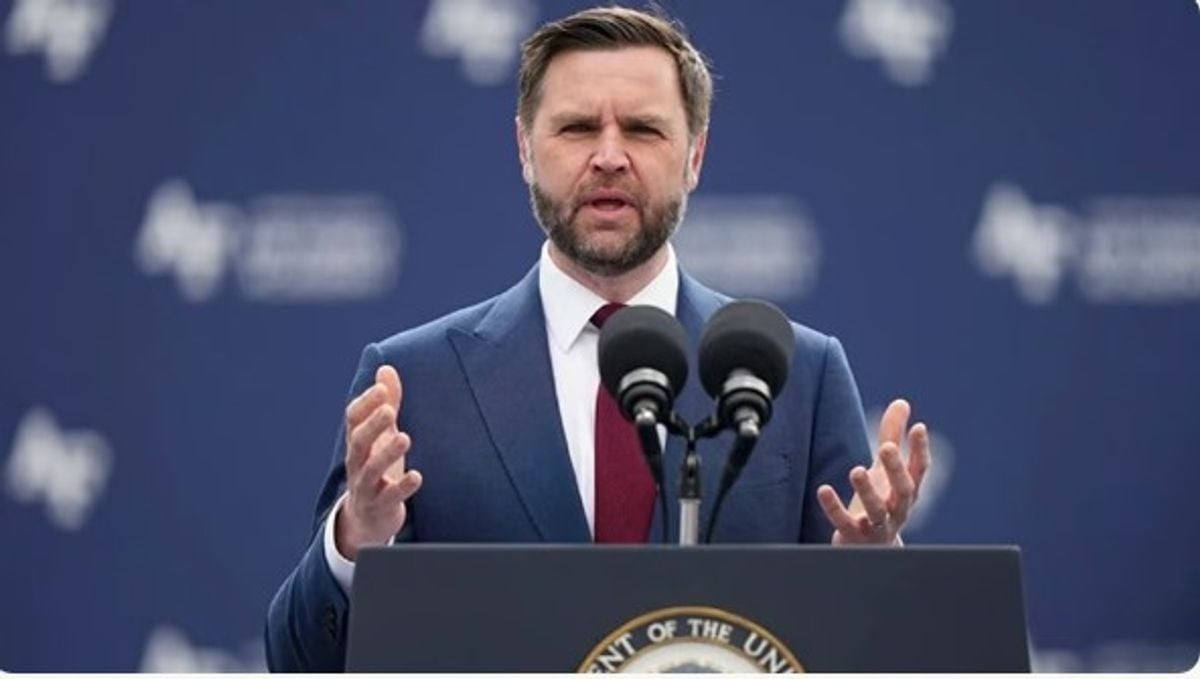
The United States is set to impose what Treasury Secretary Scott Bessent labeled as "the toughest sanctions in history" against Iran, intensifying economic pressure in a bid to compel Tehran into submission. Bessent described the sanctions as a "one-two punch," complementing the ongoing blockade imposed on Iran, and expressed confidence that these measures would cripple the Iranian regime. He anticipated outlining the specific sanctions at a press conference scheduled for the following Monday.
Bessent urged US allies to decide whether they would support Washington's pressure campaign, emphasizing the need for the international community to choose its stance. His comments followed President Donald Trump's warning that countries providing "any type of lifeline to Iran" could face economic consequences, suggesting that the administration might extend its efforts beyond Tehran to target nations sustaining the Iranian economy.
Bessent clarified that the implementation of tougher economic actions should not be interpreted as a precursor to renewed large-scale military escalation. He attributed the recent rise in oil prices not to the economic pressure, but rather to markets misreading its implications. Oil prices surged to their highest level in over three weeks on Thursday.
Iran, enduring US sanctions for nearly five decades since the 1979 Islamic Revolution, dismissed Trump's latest warning as an attempt to divert attention from domestic economic issues, such as rising debt and interest rates. China, Iran's largest oil customer, was urged to cooperate with Washington. Bessent acknowledged that sensitive discussions on this matter would be better handled privately, emphasizing the importance of reopening the Strait of Hormuz and reducing energy prices for Beijing, which relies on 50% of its energy from the Gulf.
Bessent also revealed that the US fiscal deficit had been exacerbated this year by refunds linked to Trump's tariffs, which were struck down by the Supreme Court. Although the impact on government revenues would not carry into the next year, fresh tariffs now imposed under alternative trade laws are expected to sustain revenue levels in 2026, similar to the previous year. However, a surge in factory and data centre construction under the 2025 tax cut legislation could lead to lower corporate tax collections.
Written by urgent.news from The Economic Times's reporting — not their text. Machine-written — may contain errors; check the original before relying on it.
Also reported by 1 other outlet
- US to impose toughest sanctions in history on Iran economictimes.indiatimes.com