Banking sector was undercapitalised for much of decade preceding 2017 cleanup – Opoku-Afari
In addition, the paper revealed that the recapitalisation bonds equivalent to about 2.6% of GDP were issued to support undercapitalised banks as part of broader financial-sector strengthening following the Domestic Debt Exchange Programme (DDEP).
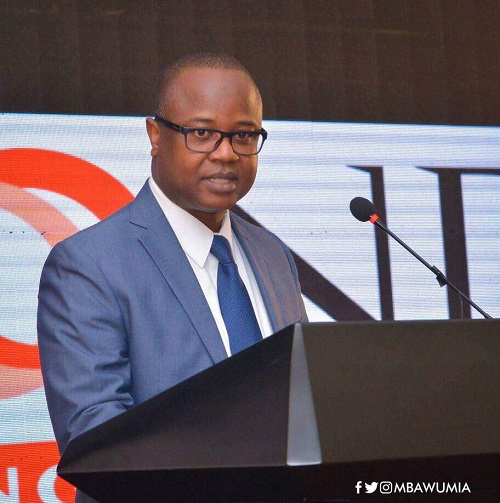
Ghana's banking industry was significantly undercapitalized for most of the decade before the 2017 clean-up, according to former Bank of Ghana First Deputy Governor Dr. Maxwell Opoku-Afari. The report revealed that weak governance and risk management practices across multiple banks contributed to the sector's precarious state. This necessitated a critical cleanup and recapitalization in 2017-2019 to restore confidence and reinforce prudential standards.
The fiscal costs of this process amounted to about 7.1% of Ghana's GDP from 2017-2021, largely borne by the state due to the lack of an effective deposit insurance framework at the time. The recapitalization bonds issued, equivalent to 2.6% of Ghana's GDP, were part of efforts to strengthen the financial system following the Domestic Debt Exchange Programme (DDEP).
Dr. Opoku-Afari highlighted that these weaknesses, including persistent fiscal deficits, weak revenue mobilization, and rising sovereign exposure within the banking system, were evident well before the crisis. Despite these issues, fiscal policies continued to be approved through the budget process and market access remained available for some time, including oversubscribed Eurobond issuances.
External partners also continued to provide financing and conduct program reviews. The disconnect between underlying weaknesses and financing conditions raised concerns about risk pricing, domestic oversight effectiveness, and the adequacy of surveillance frameworks in detecting liquidity and rollover risks. This feedback loop is crucial in understanding the subsequent domestic debt accumulation.
The subsequent analysis dives deeper into how domestic debt expansion, combined with off-budget obligations and contingent liabilities, shaped Ghana's overall debt dynamics and exacerbated crisis transmission.
Written by urgent.news from MyJoyOnline Ghana's reporting — not their text. Machine-written — may contain errors; check the original before relying on it.