Australia races to shield little penguins from H5N1 bird flu
Phillip Island's tourist-attraction penguins face a disease threat after the virus was detected in a dead colony member.
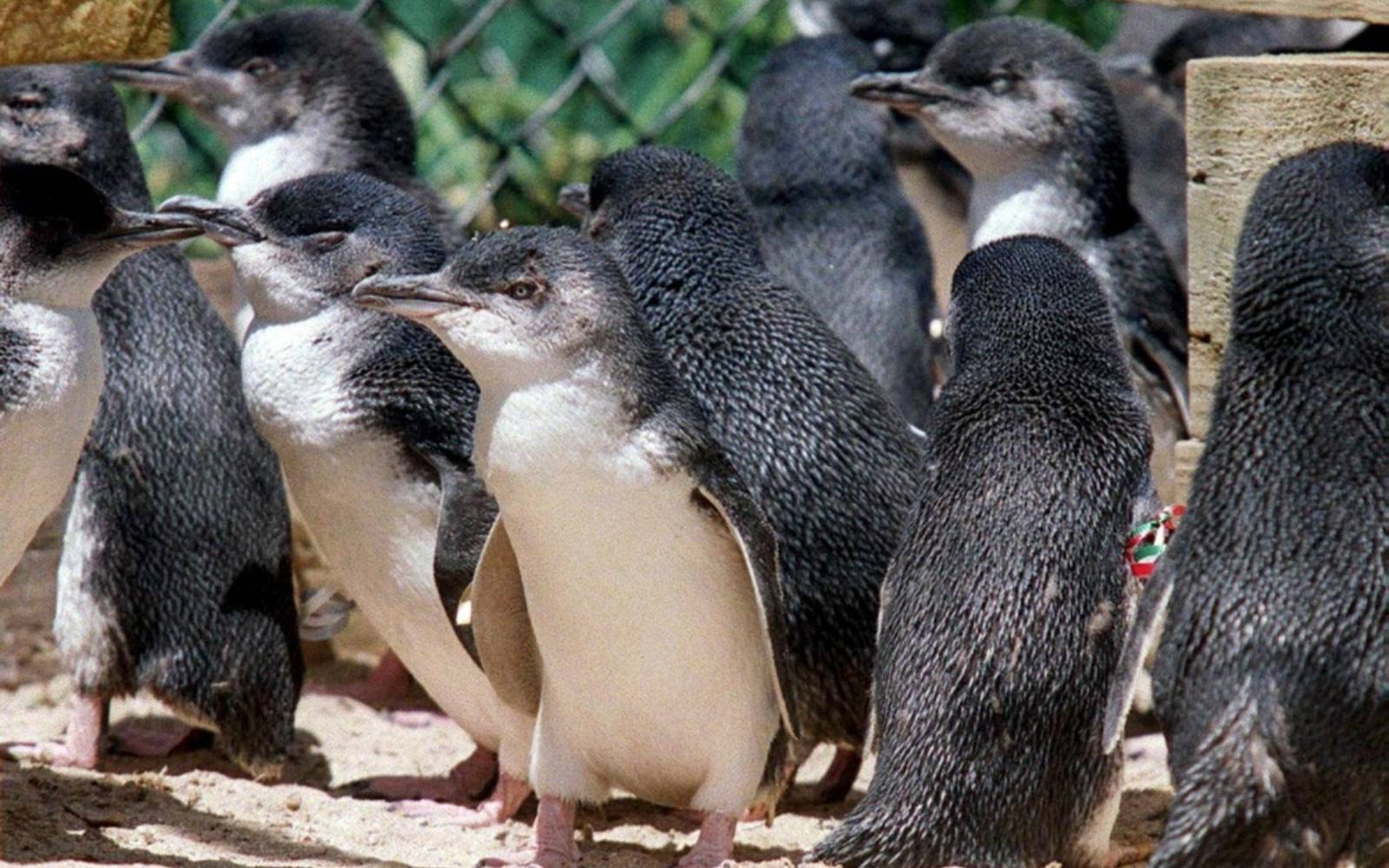
Phillip Island, home to the world's largest colony of little penguins, is battling a new threat - the highly contagious H5N1 avian influenza. These small, knee-high seabirds, weighing as much as a standard bag of sugar, are the stars of the annual "penguin parade" on the eastern coast's Phillip Island. The island's colony, numbering up to 40,000 seabirds during the southern hemisphere's spring and summer breeding season, faces the risk of this deadly virus, which has never before infected a wild population in Australia.
Wildlife teams have initiated an unprecedented vaccination campaign to protect the colony. James Todd, Victoria's chief biodiversity officer, explained that this is the largest scale vaccination of a wild bird population in the world. The vaccine requires two doses given three-to-four weeks apart, but wildlife experts believe a one or two-week timeframe is acceptable given the urgency. The teams will vaccinate about 5,000 penguins near visitor areas, a process expected to last weeks or months.
Despite the penguins' wild nature, the teams are familiar with their burrows and accustomed to handling them. The birds are also used to the floodlights and occasional human interaction for the popular tourist attraction. The vaccination program also extends to a colony at a breakwater in Melbourne's St Kilda beach suburb.
Written by urgent.news from Free Malaysia Today's reporting — not their text. Machine-written — may contain errors; check the original before relying on it.
Also reported by 4 other outlets
- The first wave of bird flu is the worst: What can Australia learn from overseas? phys.org
- Australia races to shield little penguins from H5N1 bird flu freemalaysiatoday.com
- First mammal infected with bird flu in Australia as 'devastating virus' spreads beyond birdlife sbs.com.au
- Australia races to shield little penguins from H5N1 bird flu channelnewsasia.com