As athletes’ pay soars, some states are finding creative ways to boost college sports budgets
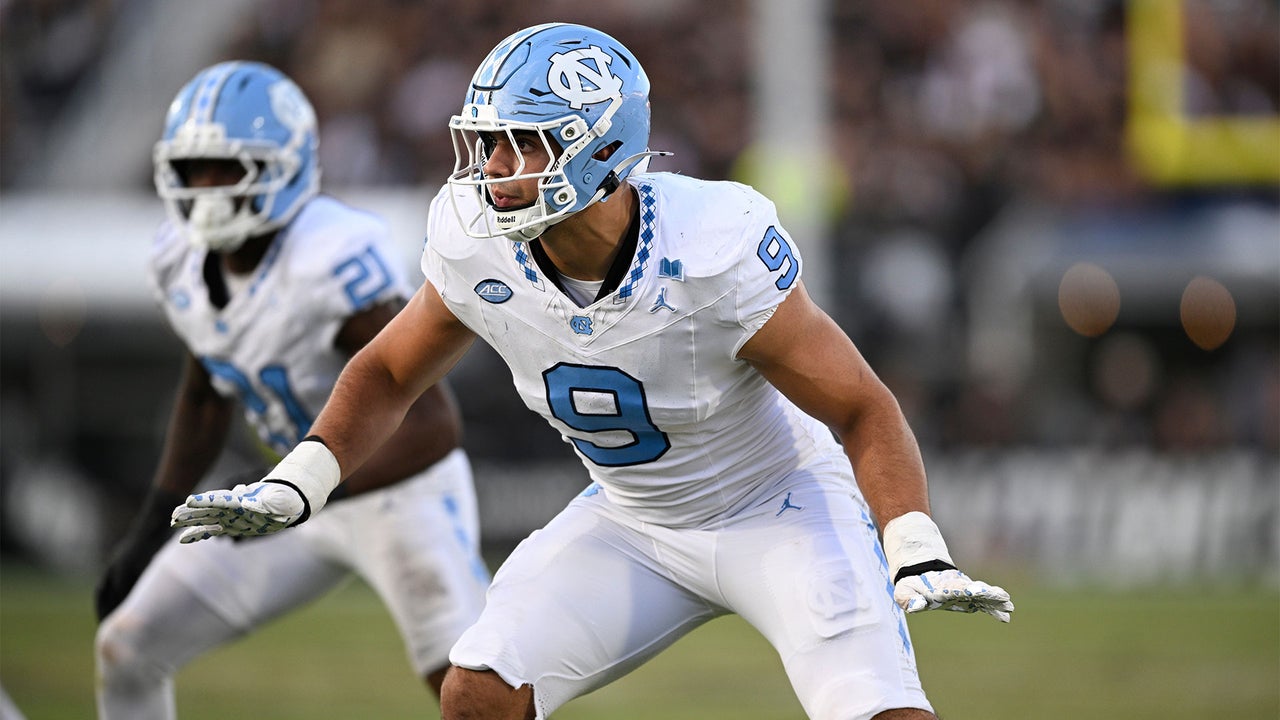
Win or lose, the North Carolina Tar Heels already will be in elite company when they kick off the college football season against Texas Christian University in a game played in Dublin. They will be among a small but growing number of athletic programs receiving taxpayer funding from their home states. With universities competing to pay athletes millions of dollars, some states now are propping up…
As college football season approaches, some states are finding innovative ways to boost budgets for their athletic programs. North Carolina, Wisconsin, Connecticut, Louisiana, and New Jersey are among the states providing taxpayer funding to their universities' sports departments. This shift comes as universities vie to pay athletes millions of dollars, straining their financial resources.
North Carolina's $3 million allocation from state sports betting taxes, along with $15 million from Wisconsin, highlights a growing trend. Connecticut and Louisiana have also earmarked funds for college athletics. Daniel McIntosh, a faculty director at Arizona State University, predicts a competitive pressure on legislatures to provide similar support after one state begins doing so.
The rise in NCAA rules allowing athletes to profit from their name, image, and likeness (NIL) has led to increased spending on college sports. Legal settlements have allowed institutions to directly pay athletes up to $20.5 million annually, with a projected rise to $21.3 million in the next school year. This financial pressure has prompted states to step in, funding facilities and administrative costs to free up university funds for other uses.
While these state-funded initiatives aim to support athletes and universities, they also come with potential downsides. Federal legislation, such as the Protect College Sports Act, could further inflate athletic spending, pushing the payment cap for athletes close to $50 million annually. Critics argue that without restrictions on state and institutional funding, the cycle of escalating costs may continue.
Written by urgent.news from Fast Company's reporting — not their text. Machine-written — may contain errors; check the original before relying on it.