Al-Ahsa Oasis boosts agricultural output with diverse summer crops
Al-Ahsa Oasis continues to supply Saudi markets with a wide range of summer produce, reinforcing its role as a sustainable agricultural hub.
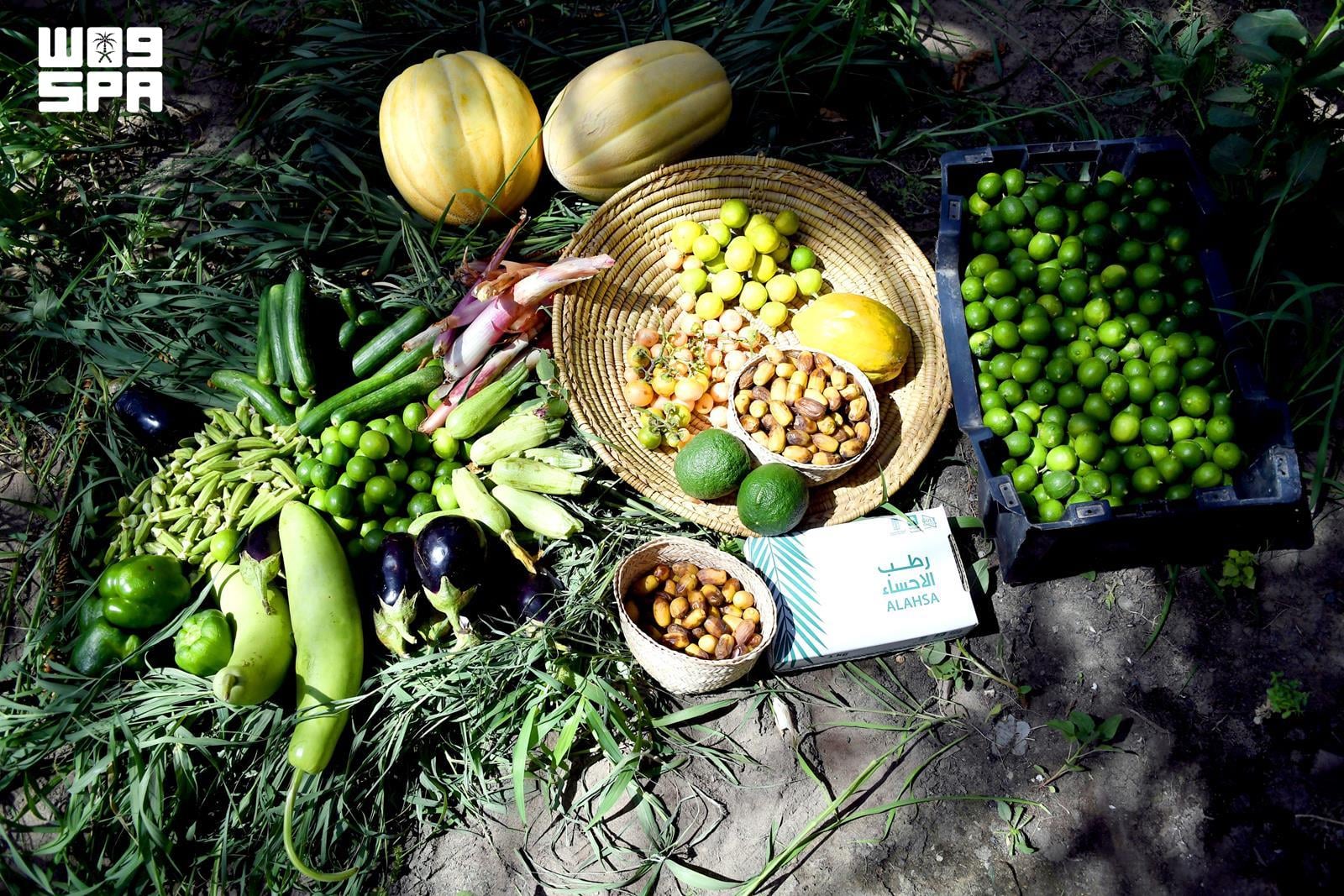
Al-Ahsa Oasis, a vast palm and tree oasis in Saudi Arabia, maintains its crucial agricultural position by cultivating a vast array of summer fruits and vegetables, despite the season's extreme heat. As one of the largest oases in the country, Al-Ahsa benefits from ample water supplies, natural springs, and nutrient-rich soil, enabling the growth of diverse summer crops.
During the summer season, Al-Ahsa markets brim with high-quality produce, reinforcing the oasis's reputation as a top agricultural hub and a cornerstone of Saudi Arabia's food security. Local farmers harvest a wide range of summer produce, including various types of dates such as Tayyari, Ghar, Majnaz, Shishi, Khalas, and Khunaizi, as well as figs, mulberries, papayas, Hassawi lemons, bumber, okra, eggplant, hot peppers, molokhia, purslane, squash, cowpeas, yardlong beans, red watermelon, shakam, and cantaloupe.
Associate Professor Hossamuddin Hussein Mahmoud from King Faisal University stresses that the oasis's diverse summer crops not only bolster Saudi Arabia's food security but also preserve the agricultural heritage of the region. To adapt to the challenges posed by the harsh climate, Mahmoud advises the expansion of modern agricultural technologies, water conservation techniques, selection of heat-tolerant crop varieties, and enhanced scientific research and agricultural extension services.
Farmer Ali Al-Ibrahim confirms that Al-Ahsa's extensive water resources, coupled with its natural springs and fertile soil, allow for the production of a wide variety of crops during the summer months. Harvesting and packing operations commence at dawn to ensure a steady supply of fresh agricultural products to both local and Gulf marketplaces.
The increasing demand for local agricultural products in Saudi Arabia and Gulf Cooperation Council countries highlights the economic significance of the region's produce, while also fueling investment opportunities in agriculture, driven by modern technologies, improved packaging, food processing, and value-added industries.
Written by urgent.news from Ajel English's reporting — not their text. Machine-written — may contain errors; check the original before relying on it.