AI in an iron grip: How dictatorships use artificial intelligence to strengthen their rule
On July 27, Alexander Bastrykin, the head of Russia’s Investigative Committee, announced that the agency had successfully incorporated artificial intelligence into its work. According to Bastrykin, specialized software for biometric analysis now allows Russian investigators to process terabytes of video footage quickly, identifying hundreds of suspects. The Investigative Committee is using new…
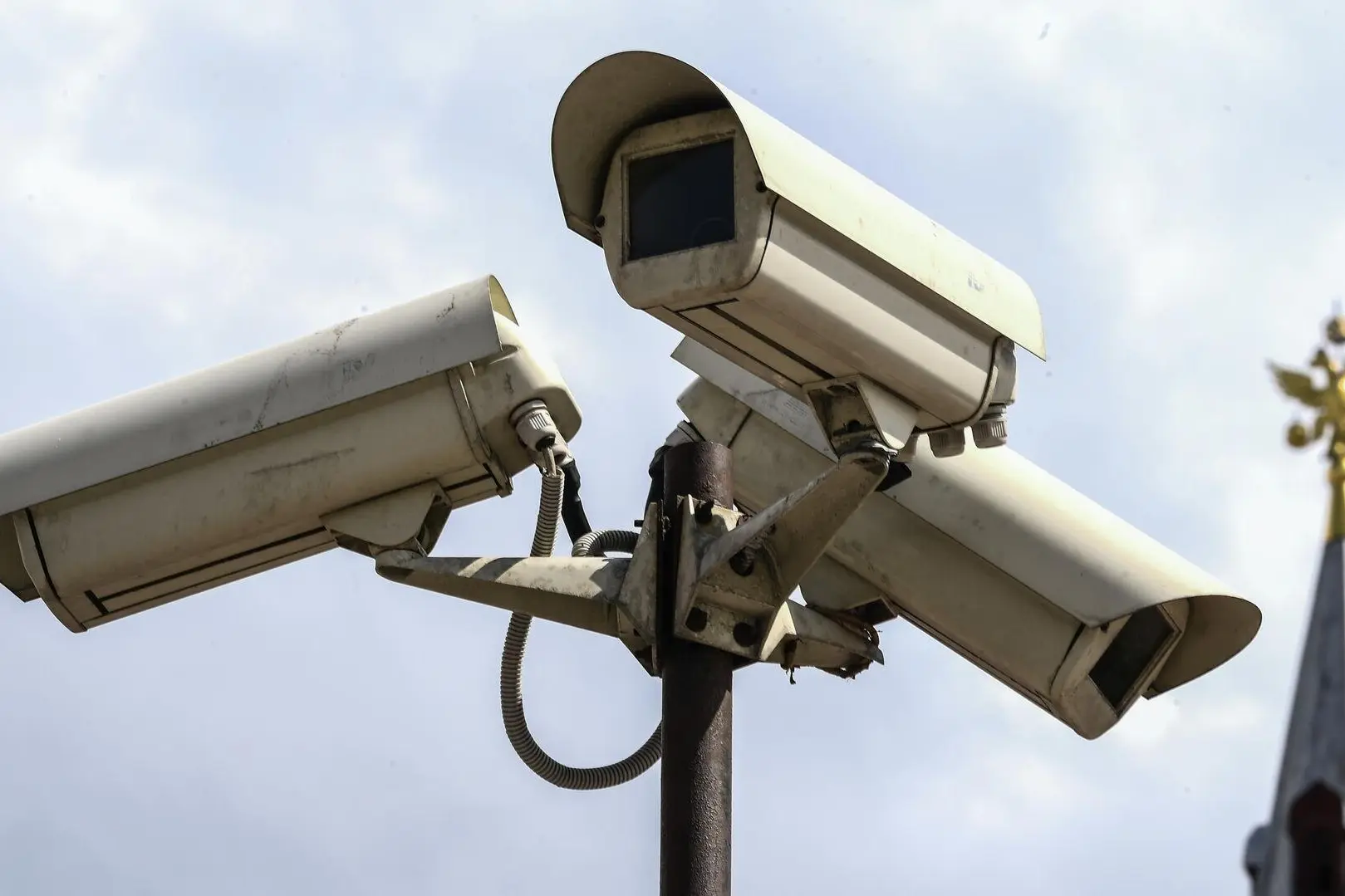
The world's digital transformation has sparked ongoing debate over its political consequences. Technological optimists envision the internet as a sovereign space without borders or governments, while pessimists warn of a "society of control" through digital networks. Authoritarian regimes have largely succeeded in suppressing online freedom of speech by combining technical censorship with physical measures.
With the rise of generative AI, autocracies such as China, Russia, Iran, North Korea, Turkey, and Belarus have integrated advanced technologies into their control systems and tested new suppression methods. China, as the most powerful tyranny, has scaled up control while minimizing costs by accumulating vast amounts of data and using artificial intelligence to quickly identify patterns in large datasets, detect social discontent, and suppress protests before they occur.
Chinese authorities are also testing AI-powered cameras that monitor detainees' emotional states. While "catching-up" autocracies like North Korea and Russia are not yet using AI to its full potential, they are developing their own surveillance programs using AI and are willing to share and exchange technologies. Russia, for example, shared technology with Iran to help build its own version of Russia's SORM surveillance system.
The free world now faces an existential challenge as technologies created to unite humanity have become effective weapons for dividing and controlling it. Authoritarian regimes require access to powerful microchips and well-trained AI models capable of effectively processing large datasets for targeted monitoring. China, with its sufficient computing capacity, vast datasets, and domestic development of computing chips, possesses the necessary resources to build a surveillance system on its own and compete with the free world in building a sovereign artificial intelligence system.
Written by urgent.news from The Insider's reporting — not their text. Machine-written — may contain errors; check the original before relying on it.