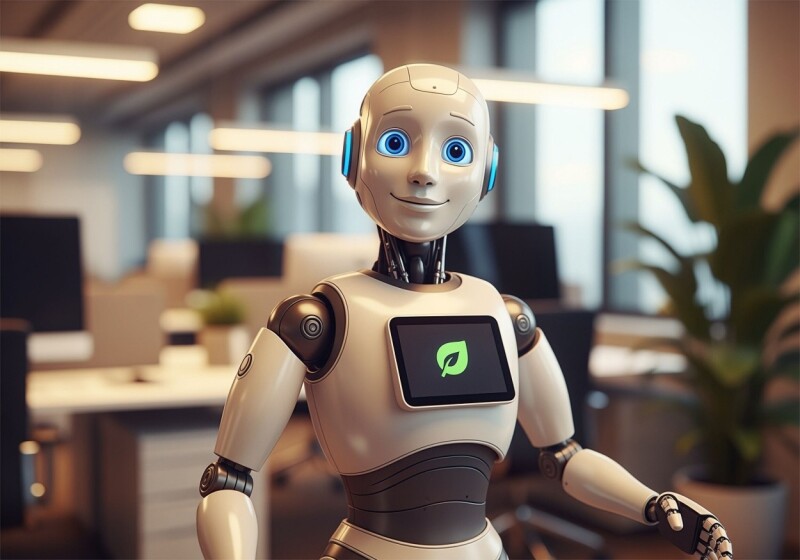
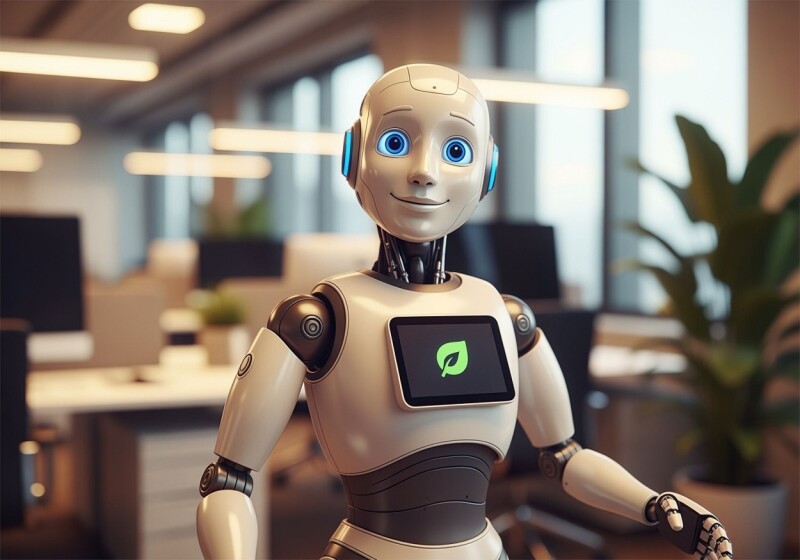
AI can answer, but can it lead?
AI can enhance leadership communication, but authenticity, cultural awareness, judgement and trust must remain fundamentally human.

The rise of artificial intelligence has sparked a conversation about the future of leadership roles. As AI technology advances, it can help with repetitive tasks, provide valuable insights, and free up valuable time for leaders to focus on strategic decision-making. However, the question remains: can AI truly lead?
Trust is a fundamental component of effective leadership, and employees rely on leaders to shape their careers, make important decisions, and set the direction for an organization. While AI can generate polished communications and replicate human personas, it cannot create trust. Trust must be earned through authentic interactions and consistent behavior.
Leadership communication goes beyond simply conveying information. Confidence, empathy, vulnerability, and conviction are communicated through subtle cues that are difficult for AI to replicate. A leader's ability to pause, acknowledge uncertainty, and respond honestly to employee concerns carries more weight than a perfectly scripted presentation.
As organizations become more global, cross-border communication becomes increasingly complex. Employees, customers, and investors have different expectations, communication styles, and social norms. AI can assist with language translation, but it falls short in understanding context, sentiment, and intent. Human leaders possess emotional intelligence, cultural awareness, and lived experiences that enable them to navigate these nuances effectively.
The development of future leaders is also at risk as AI automates more tasks traditionally performed by junior employees. Observing experienced colleagues, receiving feedback, navigating challenging conversations, and taking on greater responsibility are crucial for leadership development. If AI begins drafting scripts, summarizing meetings, or providing performance feedback, younger employees may miss out on essential mentoring experiences.
Ultimately, AI should be seen as an enabler, helping leaders analyze sentiment, identify emerging themes, and prepare informed communications. However, the human touch remains essential in building trust, delivering authentic leadership, and nurturing future leaders. As organizations adopt AI, they must remain intentional about preserving the human aspects of leadership to maintain employee trust and foster strong leadership development.
Written by urgent.news from TechRadar's reporting — not their text. Machine-written — may contain errors; check the original before relying on it.