AFTER THE BELL: How long will King Coal continue to glitter?
South Africa’s coal industry remains a vital economic force even as the country grapples with the long-term shift to renewable energy.
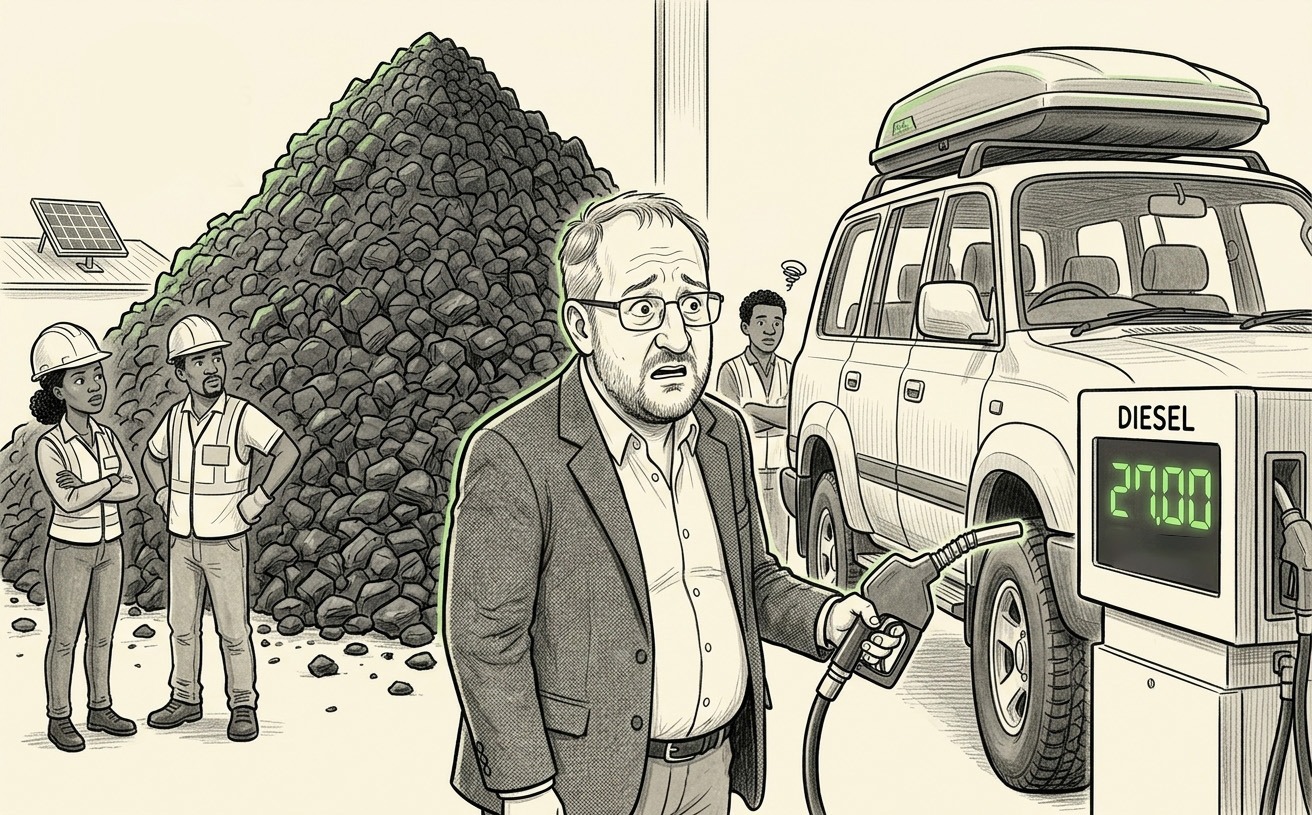
South Africa's coal industry remains crucial to the country's economy despite the nation's push towards renewable energy. Growing up in South Africa, the author became familiar with the significance of coal in the economy, noting its contribution to mining and gold production. The author's interest in coal intensified when they joined a school outing to the newly built Gold Reef City.
However, the importance of coal was only fully understood during the wet summer of 2007 and 2008, when excessive rainfall led to load shedding. This experience highlighted the necessity of coal in the energy mix.
While the economic case for renewable energy is clear, as it does not require ongoing fuel costs, the scale of South Africa's coal mining industry is immense. Companies like Exxaro Resources have reported significant revenue and earnings, with Exxaro reporting a 7% increase in revenue to R22-billion and a substantial Ebitda of R5.6-billion. The country is estimated to hold around 6% of the world's coal deposits, making it a vital resource.
The transition to renewable energy is a long-term process, and while the energy contained in coal is substantial, it may eventually become challenging to sustain. International coal prices have fluctuated in recent years, and fluctuations can impact companies reliant on coal, such as Thungela and Exxaro. These companies have significant capital investments and employ thousands, yet they recognize the impending shift away from coal.
The government plays a crucial role in crafting an energy policy that can last for generations, taking into account the evolving nature of the energy transition. This tension is evident in a recent court case where the government appealed against a ruling that prevented Eskom from building more coal-fired power stations. The activists behind the case argue for a swift transition, acknowledging the environmental harm caused by coal.
While the government's stance acknowledges the urgency of the transition and the negative impact of coal emissions, the long-term viability of coal remains a concern. Critics point out that most of South Africa's coal reserves remain untapped, and the environmental impact of continued coal mining is a significant issue.
As the weather becomes increasingly unpredictable due to climate change, the need for a robust energy policy becomes more pressing. South Africa's coal industry, with its vast reserves and significant contributions to the economy, presents a challenging dilemma for policymakers. The question remains whether the government can balance the need for a swift transition to renewable energy with the practicalities of maintaining the country's coal-dependent economy.
Written by urgent.news from Daily Maverick's reporting — not their text. Machine-written — may contain errors; check the original before relying on it.