A weather satellite 22,000 miles above Earth saved my 2026 total solar eclipse cruise on the Mediterranean Sea
Joe Rao took to sea aboard the cruise ship Le Boréal to watch the total solar eclipse on Aug. 12, 2026. Here's what it was like.
The 11,000-ton cruise ship Le Boréal set sail from Nice, France on Aug. 6 for a total solar eclipse cruise in the Mediterranean Sea. The ship, owned by French line Compagnie du Ponant, carried 205 passengers and 136 crew members who were eager to witness the celestial event. The eclipse would be a sunset one, with the sun no more than three degrees above the horizon during totality.
Despite the typically warm, dry and clear weather of the Iberian Peninsula and Balearic Sea in August, the eclipse posed a weather risk due to potential cloud cover. French photographer Serge Brunier, a lecturer on the cruise, explained that a cruise ship's mobility would allow it to avoid clouds. On Aug. 10, a disturbance in the high pressure ridge produced clouds and thunderstorms across eastern Spain, threatening the eclipse.
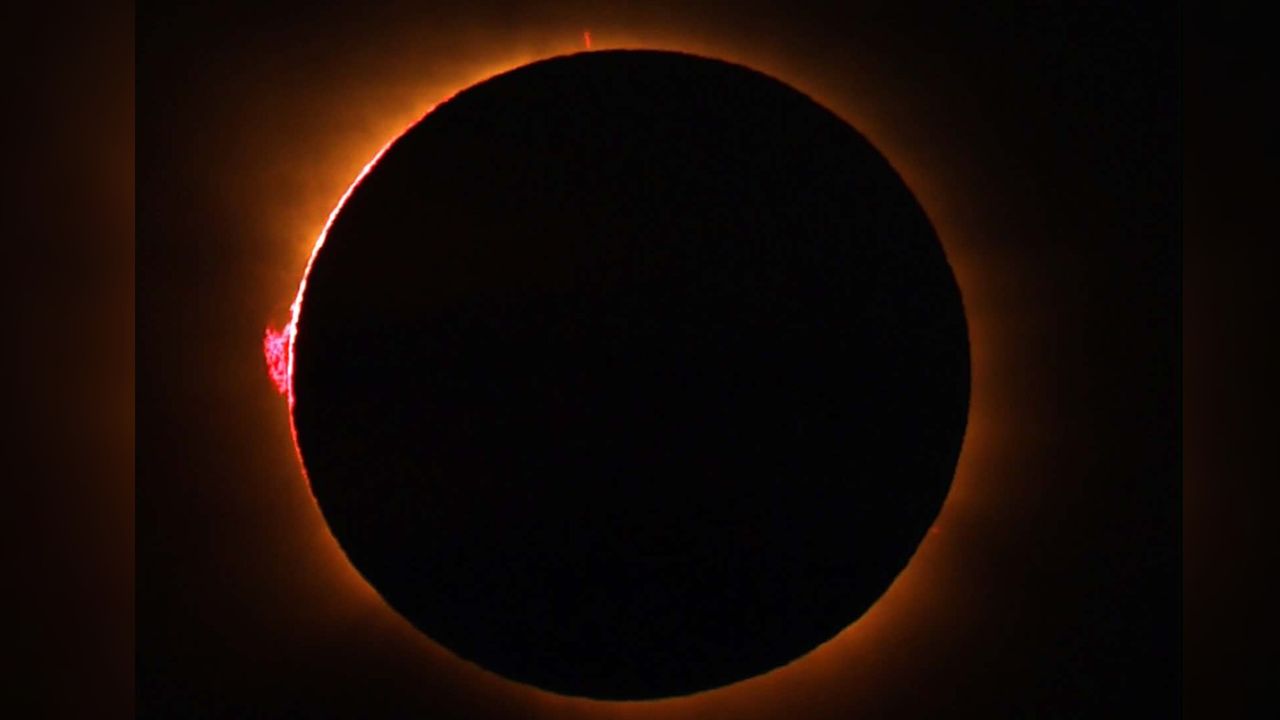
Early on Aug. 12, EUMETSAT satellite imagery showed a large convective cloud developing over the Gulf of Valencia, potentially blocking the view. The ship altered course southwest, positioning the cloud to the right of the sun and improving the chances for viewing totality. At 8 p.m. CEST, the moon covered the lower right limb of the sun, marking the start of totality.
The diamond ring effect followed the solar cover, creating a breathtaking moment for the passengers.
Written by urgent.news from Space.com's reporting — not their text. Machine-written — may contain errors; check the original before relying on it.
This story
This is one outlet's version. Read the fullest account.


