A rung on the housing ladder: Co-living fills gap for young adults, but home ownership remains end goal
A co-living pilot was among the initiatives announced under the SG Youth Plan launched last month, presenting it as an option for young people in Singapore.
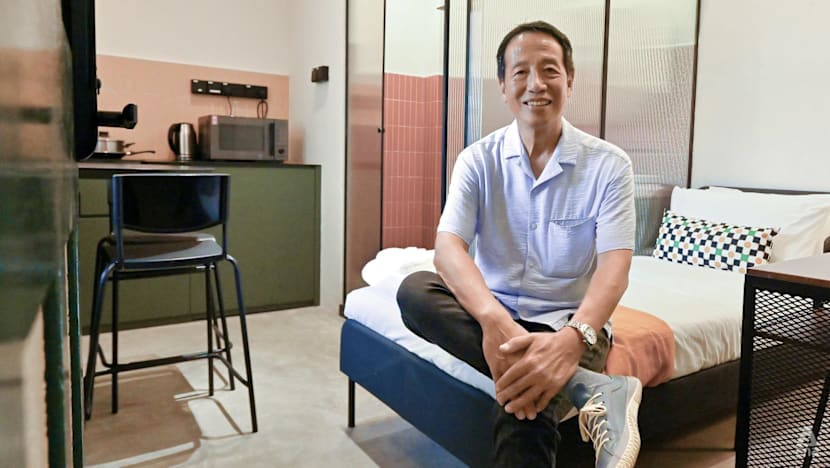
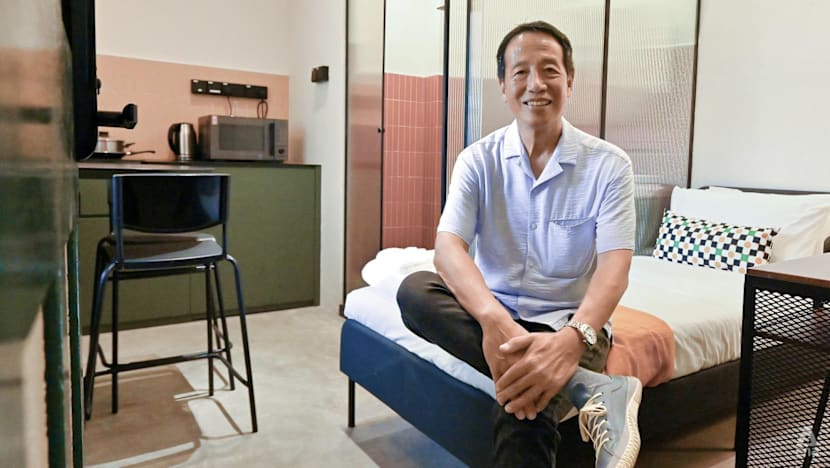
Singapore's co-living pilot announced under the SG Youth Plan in recent months is emerging as a new housing option for young adults seeking independence before marriage or buying their first home. This reflects shifting housing goals among young Singaporeans as they marry later and desire greater flexibility during the transition to adulthood, while affordability remains a major concern.
The pilot, set to offer over 100 units for Singaporean youths aged 21 to 35 at discounted rates, has garnered more than 600 expressions of interest as of August 12. While co-living can be considered an additional rung on the housing ladder, bridging the gap between living with parents and owning a home, observers emphasize that it is unlikely to significantly alter Singapore's longstanding policy and emphasis on home ownership for now.
National Development Minister Chee Hong Tat acknowledged that household structures and housing aspirations have evolved as society becomes more diverse. He affirmed that home ownership remains a key tenet of Singapore's social compact but recognized the demand for flexible accommodation options, such as co-living, for younger Singaporeans who are initially opting to rent before purchasing homes.
Professor Sumit Agarwal from the National University of Singapore economics and real estate department noted that while the traditional housing journey in Singapore has been straightforward - living with parents, getting married, and buying an HDB flat - young people's lives are becoming more varied. They are marrying later, changing jobs more frequently, spending time overseas, and wanting to experience living independently before getting married.
Co-living can be viewed as an additional rung on the housing ladder, not an alternative to home ownership, according to Agarwal.
Dr Tan Ern Ser, an adjunct principal research fellow at the Institute of Policy Studies (IPS), suggested that co-living could serve as a "third pathway" in the housing journey for young adults, acting as an interim arrangement until they become eligible for public housing. He emphasized that co-living expands the housing options of young adults until a time they marry or reach 35.
Dr Tan also highlighted that co-living can foster a sense of community and facilitate social interaction, which may help address the issue of some young people lacking friends or potential marriage partners.
Co-living facility operators noted that tenants are attracted to the model due to amenities, a sense of community, and the duration of stay. Coliwoo's executive chairman and CEO, Kelvin Lim, explained that his clients mostly fall within the age range of 21 to 35, with some as young as 18 foreign students. Tenants typically stay for six to nine months and are not required to sign leases longer than a year.
Eco Energy's general manager, David Tan, mentioned that his facility mainly attracts people in their 30s, including those transitioning between overseas job postings, renovating their homes, or waiting for new apartments. About 10% of the local clientele stays due to proximity to their workplaces in the central business district.
Both operators emphasized that co-living differs from traditional rental due to the amenities provided. Co-living units are fully furnished and serviced, with all rooms equipped with daily necessities. There are fewer restrictions in co-living spaces compared to traditional rentals, such as HDB flats, where limitations on washing machine use, kitchen access, and guest invitations may apply.
Written by urgent.news from CNA - Singapore's reporting — not their text. Machine-written — may contain errors; check the original before relying on it.