‘A genocide without bombs’: Father Michael Lapsley highlights the humanitarian plight in Cuba
Father Michael Lapsley, a Cape Town priest, returns from Cuba with a powerful message for the world: stand in solidarity with the Cuban people facing dire conditions.
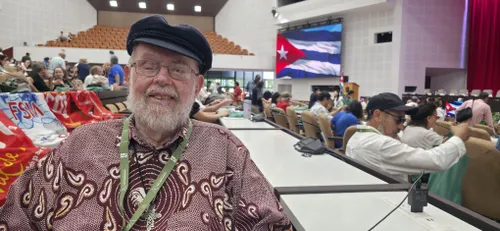
Father Michael Lapsley, a priest from Cape Town, recently returned from a visit to Cuba where he expressed concern for the Cuban people's plight. He attended a colloquium marking the 100th anniversary of Fidel Castro's birth, a man who led the Cuban revolution in 1959 and governed the island for nearly five decades. Lapsley brought medical supplies for the Cuban population. Delegates from 63 countries, including the South African Communist Party and former minister Dr Nkosazana Dlamini-Zuma, took part in the event.
Lapsley called for an end to the U.S. blockade of Cuba, which has been in place since 1962. In January, U.S. President Donald Trump announced a national emergency concerning Cuba, restricting fuel supplies and threatening tariffs on any country aiding the island nation. By May, Cuba's energy minister, Vicente de la O Levy, announced the country was running low on diesel and fuel oil, causing widespread blackouts since March.
Lapsley highlighted the dire situation in Cuba, noting that Cubans were experiencing frequent power outages and were unable to pump water, impacting factories and healthcare. The priest described the conditions as dire, observing few vehicles on the road due to fuel shortages. He also spoke with Joel Ortega Dopico, who serves as the President of the Cuban Council of Churches and the Cuban Bible Society.
Dopico described the U.S. embargo as causing significant damage to the Cuban people, making it difficult for other countries to provide support.
Cubans are becoming increasingly innovative in their struggle to survive, but their revolution taught the world the importance of solidarity. Lapsley urged the world to support Cuba by working together in solidarity and opposing the U.S. blockade.
Written by urgent.news from IOL's reporting — not their text. Machine-written — may contain errors; check the original before relying on it.