A closed landfill still has neighbours — Azizi Abu Bakar and Norli Anida Abdullah
AUGUST 20 — Malaysia is entering a strengthening El Niño, and the public conversation is about heat, haze a...
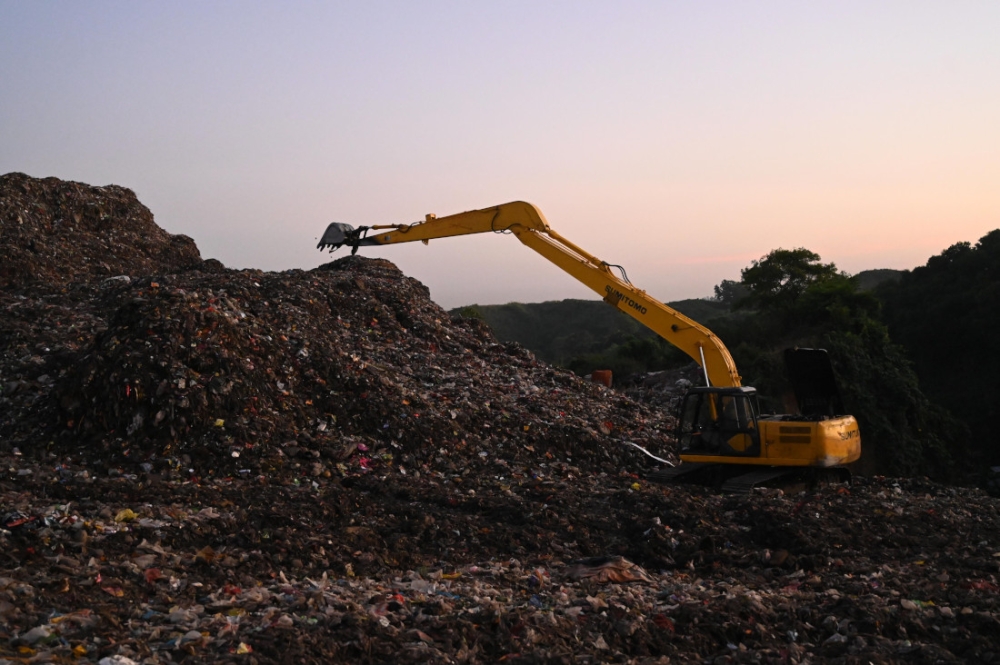
In Malaysia, the public is currently discussing the effects of an El Niño weather pattern, including increased heat, haze and water supply concerns. However, there is little consideration for the impact of prolonged dry spells on the numerous closed landfills scattered beneath the region's weather. When water is scarce, soil caps crack, allowing buried waste and methane to become more susceptible to ignition.
This was demonstrated in 2018, when landfill fires erupted at two locations, highlighting the risks associated with dried-out landfills.
During rain, rivers experience reduced dilution, and accumulated leachate—contaminated water from waste—can be discharged at once upon the return of rains. Closed landfills do not experience weather as an average, but rather as episodic events. The residents living near these sites often bear the brunt of these episodes.
Sungai Pusu, in Gombak, has seen the negative consequences of living near a closed landfill. A residents' committee has raised concerns about foul air, dust, and frequent garbage truck traffic. Despite two years of direct observation, no action has been taken by the authorities to monitor the situation or record the data. The existing waste policy in Malaysia emphasizes the importance of fencing, capping, budgeting and maintaining closed landfills, but it falls short in detailing the necessary monitoring measures.
The lack of clear guidelines creates gaps in policy, with no defined standards for observation frequency, sampling points, or response measures. These gaps can be relatively inexpensive to address, given the already heavy government spending on waste management. A 2022 MIDA overview reported 174 closed landfill sites and 137 active landfills, with only 21 considered sanitary landfills with proper engineering.
The government spends approximately RM1.9 billion on these efforts, yet knowledge about the risks at closed sites remains limited.
Closure is not the end for buried waste, as it can continue to produce leachate and methane for decades. In 2019, a bund at the CEP Renggam landfill in Johor failed, leading to ammonia pollution in a nearby river and disrupting water supply for around 75,000 consumers. The risks associated with closed landfills are not adequately measured due to insufficient monitoring.
To address these issues, three provisions could be implemented without requiring new landfill engineering. First, a public register should be established, showing monitoring schedules, sampling points, and results, with a clear detection standard and additional sampling during extreme weather events. Second, a standard community reporting protocol should be created, integrating residents' observations as an official record, rather than just another letter.
Finally, a trigger mechanism should be put in place, requiring official sampling when specific readings or reports indicate a risk.
While there is a draft field protocol available for community monitoring at closed sites, it lacks formal standing in the form of a law or regulation. The episodic nature of post-closure risks, driven by extreme weather conditions such as heavy rainfall and prolonged drought, must be taken into consideration during monitoring. Relying on quarterly visits or a limited number of boreholes may not be sufficient to capture the critical periods when the site is at the highest risk.
Residents living near closed landfills already notice and report numerous signs of potential contamination, which should not be dismissed as mere complaints.
In conclusion, Malaysia's post-closure regime needs strengthening to ensure proper monitoring of closed landfills. Incorporating community observations and establishing a formal response to environmental warning signs could significantly improve the management of these sites. By doing so, Malaysia can better protect its environment and the well-being of its residents from the hidden risks associated with closed landfills.
Written by urgent.news from Malay Mail's reporting — not their text. Machine-written — may contain errors; check the original before relying on it.