9.2 vs 6.8 CGPA: How did he turn 80+ rejections into 2 Microsoft jobs?
Microsoft software engineer Aditya Jamwal’s career journey highlights why skills, interview preparation and persistence can matter alongside CGPA. His example contrasts a 9.2 CGPA student earning 6 LPA with a 6.8 CGPA student securing 32 LPA. Jamwal also shared how he applied to 80+ Microsoft roles, received only four responses, but converted two interviews into offers. His mantra of not giving…
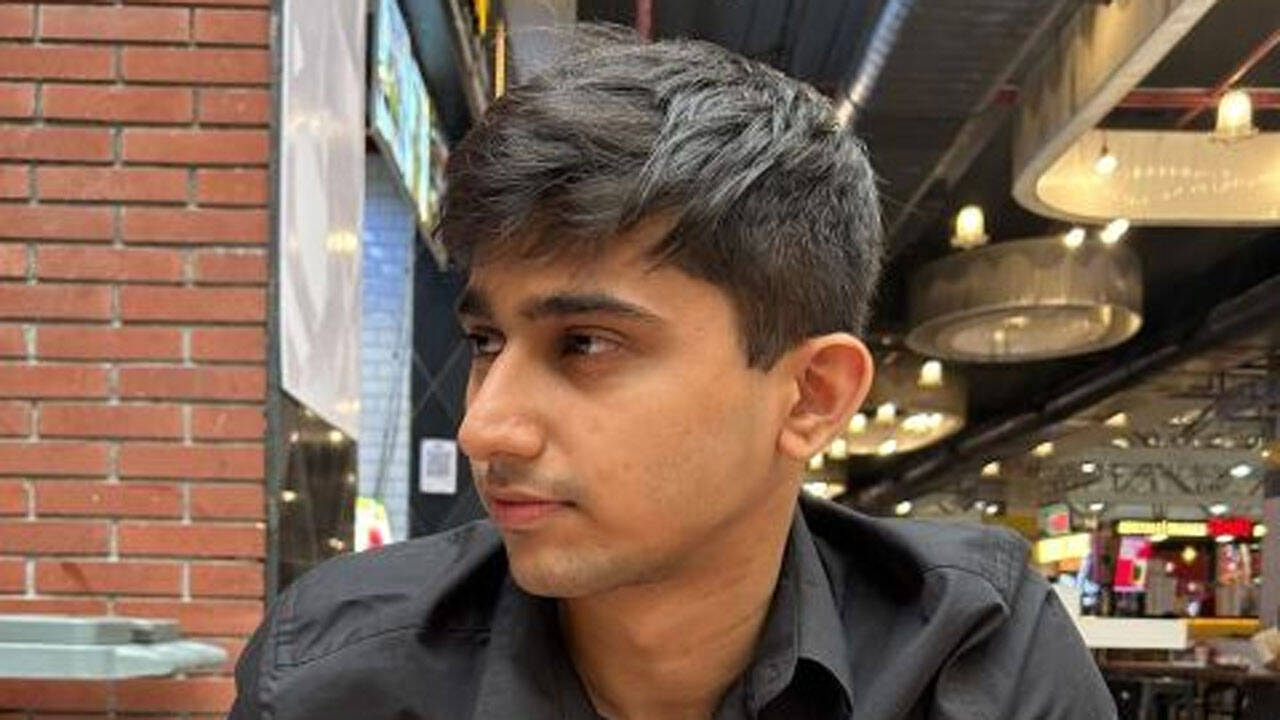
A LinkedIn post by Microsoft software engineer Aditya Jamwal highlights the discrepancy between a high CGPA and job offers. According to Jamwal, an engineering student with a hypothetical 9.2 CGPA would earn Rs 26,000 annually more than a 6.8 CGPA student. However, the key to landing a high-paying job at Microsoft lies more in the interview performance than in academic achievements.
Jamwal explains that in the interview process, recruiters focus on a candidate's ability to solve problems, explain technical concepts, and demonstrate the required skills. He stresses that the 6.8 CGPA candidate should concentrate on developing specific skills that can directly impact technical interviews, such as practising Data Structures and Algorithms (DSA), building robust projects, mastering Low-Level Design and system design, and acquiring foundational knowledge in Computer Science subjects like Operating Systems, Database Management Systems, and Computer Networks. Additionally, familiarity with Generative AI fundamentals is also essential.
Jamwal emphasizes that while a high CGPA might open doors, it is not enough to guarantee a job. He provides a personal example of his own journey to Microsoft, which involved submitting over 80 applications and receiving only four responses. Nevertheless, two of those responses led to interviews, and ultimately, two job offers were extended to him. Jamwal's experience demonstrates that persistence and preparation can help students achieve their career goals, even if they start with a lower CGPA.
Written by urgent.news from Times of India's reporting — not their text. Machine-written — may contain errors; check the original before relying on it.