Working out at home is commendable. But injuries need to be avoided. Here’s how
Many people are training without proper guidance on exercise form, load management, nutrition, or recovery. While the motivation to stay active is a positive development, exercising without the right knowledge or supervision can sometimes do more harm than good
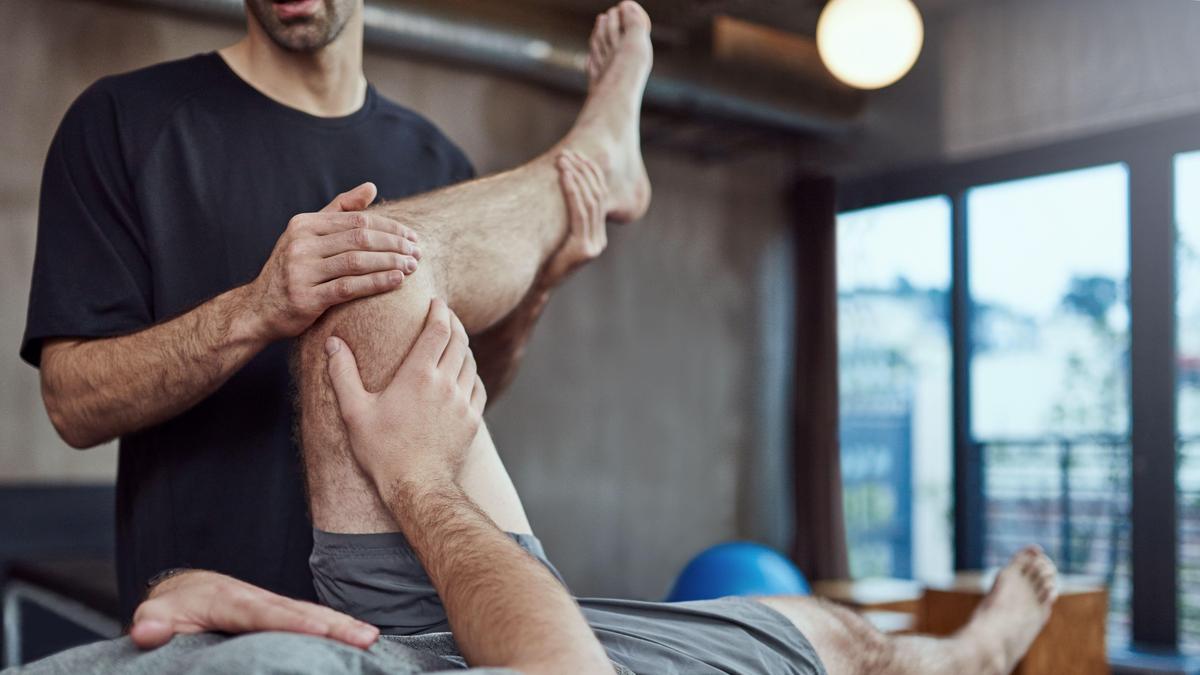
In recent years, a growing number of individuals have been engaging in home workouts, often without the guidance of a professional trainer. While physical activity is essential for overall health, it is crucial to recognize that exercising at home can lead to injuries if proper precautions are not taken. Dr. Shriram Krishnamoorthy, a senior orthopaedic and sports injury surgeon, highlights five common injuries associated with home workouts and offers guidance on how to prevent them.
Shoulder pain resulting from rotator cuff strain is the most frequently encountered issue among home workout enthusiasts. This discomfort typically manifests as a dull ache that worsens over time if not addressed. To prevent shoulder injuries, it is vital to maintain proper form during press exercises, ensuring elbows are positioned between 30 to 45 degrees from the body and avoiding excessive elbow flaring.
Additionally, maintaining shoulder blade control and gradually increasing weight can help protect the shoulders from strain.
Lower back pain, specifically lower back strain, is another prevalent injury among those who work out at home. This type of pain often arises from performing exercises with a rounded spine, such as deadlifts, bent-over rows, and certain sit-up variations. To mitigate the risk of back pain, it is crucial to maintain a neutral spine and engage the core muscles before lifting weights. If any discomfort is experienced, reducing the weight can help prevent further injury.
Knee injuries, such as patellar tendinitis and ligament strain, are common among individuals who engage in high-impact workouts like jump squats and burpees. These exercises often prioritize maximizing height and power during jumps, leading to improper landing mechanics that can cause knee pain. To prevent knee injuries, it is essential to focus on landing softly and maintaining proper alignment, with knees tracking in line with toes throughout the movement. Gradually increasing jump volume over time allows the body to adapt to the demands of the exercise.
Wrist and elbow pain can also occur during home workouts, particularly when performing exercises like push-ups, planks, and mountain climbers on hard surfaces. Extending the wrists fully during these movements can place excessive strain on the tendons and ligaments, increasing the risk of overuse injuries like tennis elbow and golfer's elbow.
To prevent wrist and elbow pain, it is advisable to use a soft exercise mat and consider using wrist wraps for added support. Maintaining proper form and listening to the body's signals can also help prevent these injuries.
Lastly, ankle sprains pose a significant risk for home workout participants, especially those working out on uneven flooring or in confined spaces without adequate clearance. Landing awkwardly, poor foot placement, and repetitive stress on the ankle ligaments can lead to sprains. Inadequate balance and stability training can also increase the likelihood of re-injury, especially since ankle muscles rely heavily on ligament strength.
To prevent ankle sprains, it is crucial to clear a flat, open space for workouts and wear footwear with adequate ankle support, particularly when engaging in lateral movements or jumping exercises.
Dr. Krishnamoorthy emphasizes that the root cause of these injuries is often neglecting proper warm-up routines, starting with advanced variations without adequate preparation, and ignoring early warning signs of pain. He stresses the importance of listening to one's body, as pain is a vital means of communication. A little muscle fatigue is normal, but sharp, localized pain should not be ignored.
Home workouts can be an excellent way to maintain physical activity, but taking the necessary precautions and seeking professional guidance is essential to avoid unnecessary injuries and ensure long-term fitness success.
Written by urgent.news from The Hindu Health's reporting — not their text. Machine-written — may contain errors; check the original before relying on it.