Why the historic US-Japan intervention has failed to lift pressure on the yen
With a rare joint US-Japan market intervention weeks ago failing to rectify the weakness of the Japanese currency, Tokyo and Washington could be forced to launch another round of boosting efforts, with a deepening US Treasury rout expected to fuel the global yen carry trade, according to analysts. The yen has been on a sustained decline, falling to a 40-year low to trade above 163 per US dollar…
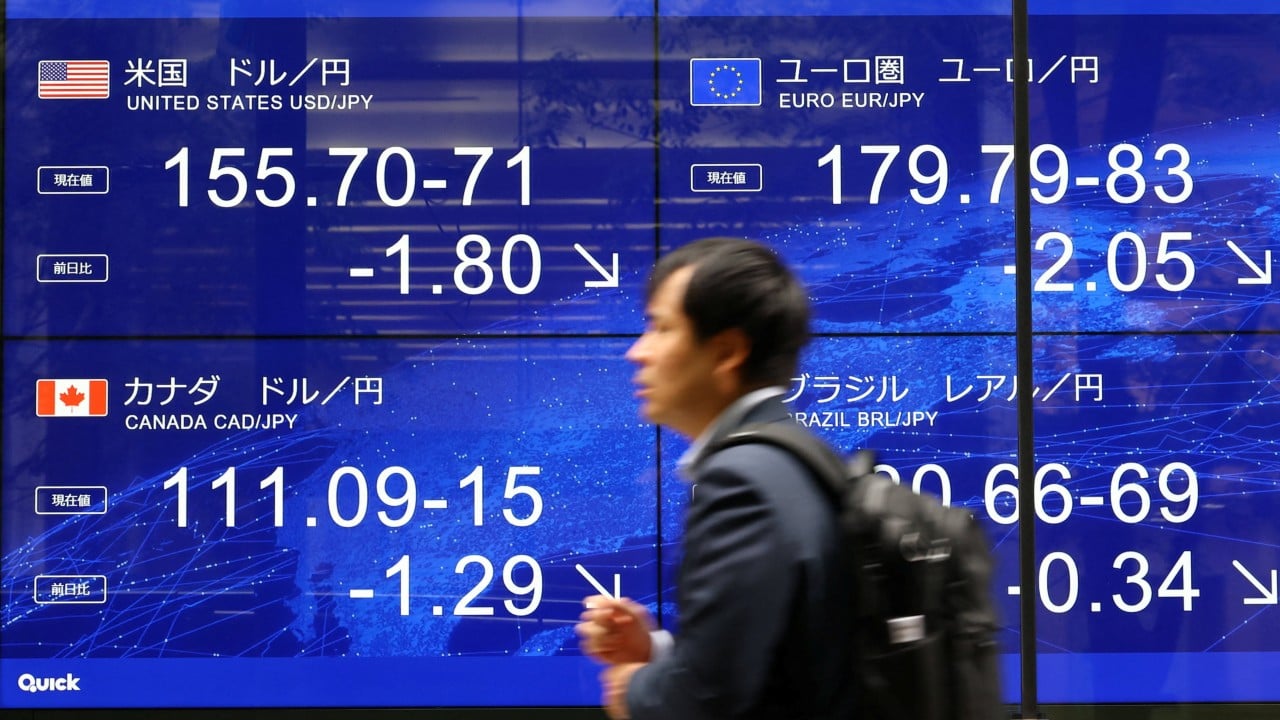
The US-Japan joint market intervention aimed at stabilizing the yen has not succeeded in lifting pressure on the currency. The Japanese yen has fallen to a 40-year low, trading above 163 per US dollar in late July, before reversing half those gains and approaching the 160 per US dollar threshold again. Analysts believe the intervention only served as a "political gesture" since the fundamental interest-rate differential between the US and Japan remains unchanged.
US Treasury yields have risen to multi-year highs, intensifying the interest-rate gap and favoring a persistent carry trade strategy. This strategy involves borrowing yen cheaply to invest in higher-yielding US assets. The US Federal Reserve is expected to keep rates unchanged for the rest of the year, while the Bank of Japan has the potential to raise rates at its September meeting.
However, a significant rate hike would likely be met with resistance from Japan's economy, which currently is not in a position to handle such an increase. Sustained yen appreciation would require the US to lower rates, which is not anticipated by analysts.
Written by urgent.news from SCMP Business's reporting — not their text. Machine-written — may contain errors; check the original before relying on it.